
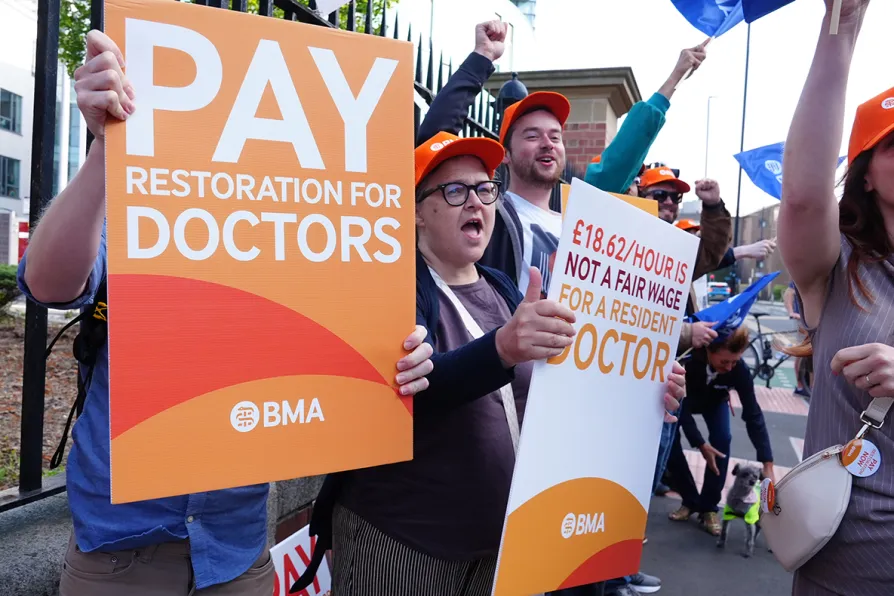
Resident doctors in England have voted to extend their mandate for industrial action, overwhelmingly supporting the continuation of strikes in their long-running pay and workforce dispute with the NHS. The British Medical Association's (BMA) Resident Doctors Committee announced that 93 per cent of those who voted backed further strike action, reflecting sustained anger over the push to restore pay, which has significantly decreased in real terms over the past two decades, and the persistent shortage of training posts.
Despite the strong support for action, the turnout for the ballot was a narrow 52.54 per cent, just clearing the 50 per cent legal threshold required in the UK. This result, based on 28,598 valid votes from 54,432 eligible doctors, signals deepening fatigue and declining engagement within the profession. Nonetheless, the successful ballot grants the BMA the legal authority to call for industrial action for the next six months, bolstering their position in ongoing negotiations.
Key figures from both sides have commented on the outcome. Dr Jack Fletcher, chairman of the resident doctors committee, stated the result provides a "clear mandate" for the government to act but stressed that new strikes are not inevitable, urging ministers to constructively engage on both pay and training. In response, the Department for Health and Social Care (DHSC) reiterated that "intensive and constructive discussions" are underway, particularly regarding expanding training places. However, they maintained that significant pay increases beyond those already granted remain unaffordable. This stance aligns with Health Secretary Wes Streeting's previous defence of pay rises of nearly 28.9 per cent over three years, advocating for a focus on structural improvements rather than further industrial action.
The prolonged dispute has already had a significant impact on NHS performance, disrupting elective and outpatient care since 2023. NHS providers and leaders have voiced disappointment over the extension of the mandate, warning that continued strikes will lead to yet more unplanned costs, place further strain on morale, and force difficult choices regarding patient care amid rising demand and existing backlogs.



.jpg)
.jpg)
.jpg)