.jpg)
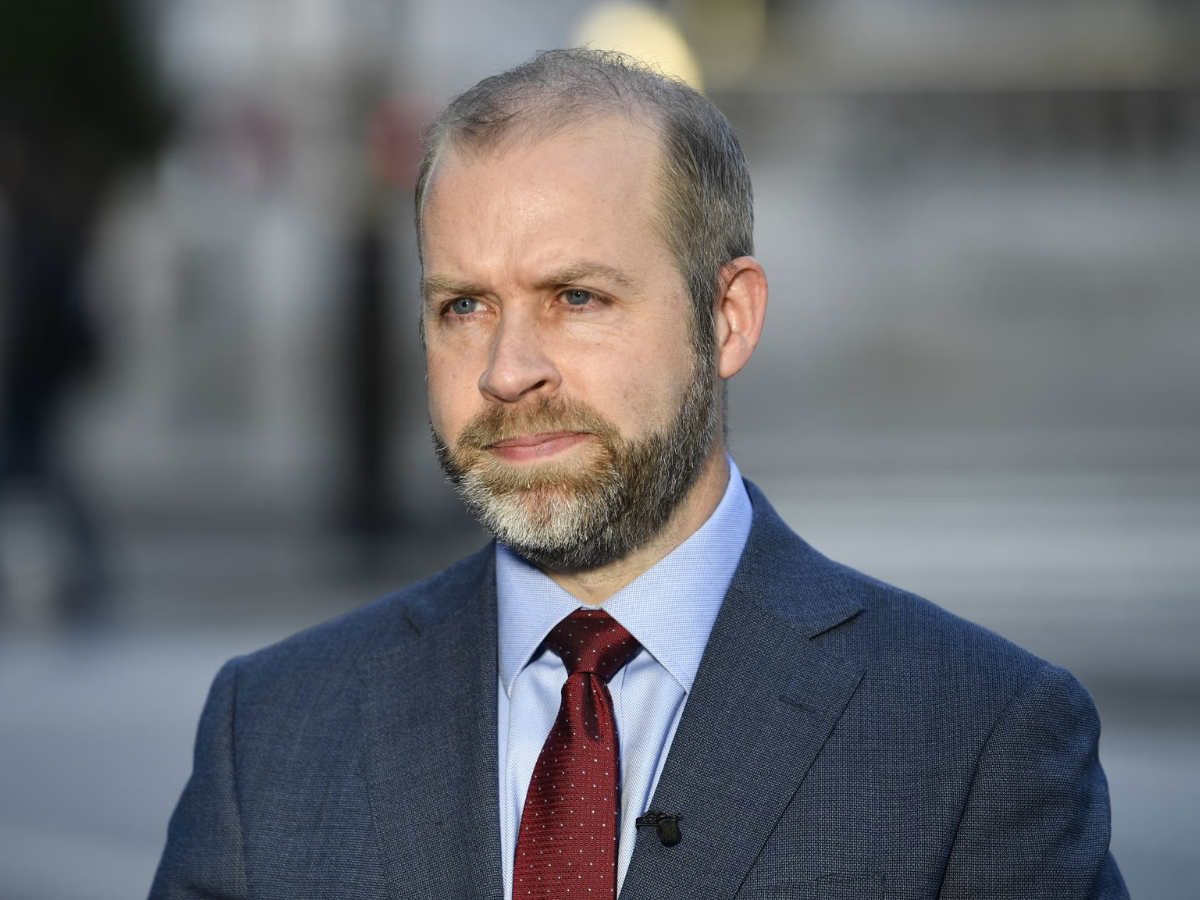
Reed Jobs was fifteen when he began an internship in oncology at Stanford University. His father, Steve Jobs, would be diagnosed with pancreatic cancer several years later, dying from the disease in 2011 at the age of 56. A close friend later died from leukaemia. These experiences, Jobs says, are what drew him to cancer research and what continue to drive the work of Yosemite, the oncology-focused venture capital firm he now runs from San Francisco.
Jobs, 34, was in London last week attending a life sciences conference hosted by LifeArc, a British not-for-profit organisation focused on rare diseases. He was there to meet with pharmaceutical partners and academics, and to identify potential investment opportunities in the UK market. "Research here is world class," he said. Yosemite already holds investments in several unnamed UK companies, alongside a portfolio of roughly twenty healthcare startups in the United States.
The firm manages more than $1bn in assets and invests across gene therapy, cancer vaccines, radiopharmaceuticals and artificial intelligence-driven drug discovery. Its US portfolio includes Tune Therapeutics, Azalea Therapeutics, Chai Discovery and Sage Care. Yosemite was spun off in 2023 from Emerson Collective, the philanthropic and investment group founded by Jobs's mother, Laurene Powell Jobs, where Reed had served as managing director of health. The firm's name refers to the national park in California where his parents married in 1991.
Yosemite operates through two structures: a for-profit venture arm that invests directly in healthcare companies, and a donor-advised fund that awards grants to scientists conducting early-stage research. Its backers include the American biotechnology company Amgen, the Massachusetts Institute of Technology, Memorial Sloan Kettering Cancer Center in New York, and the billionaire investor John Doerr. LifeArc is also among its investors, and the firm has provided philanthropic grants to researchers at Oxford and Cambridge universities.
Jobs's central ambition is to shift cancer from what he describes as an "end-stage disease" into a condition that is diagnosed early, monitored and treated over time, in the way that HIV and cardiovascular disease have been transformed over recent decades. He argues that too many cancers are currently caught either by chance or only once they have reached an advanced, metastatic stage. "That is unacceptable," he said. He believes that within his lifetime, improved detection methods and more targeted, personalised therapies will change this significantly.
Immunotherapy is the area in which Yosemite is most active. These treatments work by directing the body's own immune system against tumours and have begun to alter outcomes in a number of cancer types over the past decade. Jobs described it as the field he expects to deliver the most meaningful gains for patients over the next twenty years.
The conference also surfaced a separate and persistent problem in oncology: the shortage of treatments developed for children. Lone Friis, who leads the C-Further paediatric oncology programme at LifeArc, noted that while childhood cancers are rare, with around 4,000 new cases diagnosed each year in the UK, cancer remains the leading cause of death by disease in children. In the past twenty years, only eight new medications specifically targeting paediatric cancers have been developed, compared to as many as 150 new treatments for adults. Jobs noted that roughly 20 per cent of all cancers are classified as rare, a category that tends to attract less commercial investment precisely because patient populations are smaller.
The UK life sciences sector has faced questions in recent years about its ability to attract and retain international investment at the level needed to remain competitive. Jobs's visit and his firm's existing, if undisclosed, presence in the British market suggests appetite remains among some overseas investors. Whether that translates into announced deals will become clearer in time.


.jpg)

.jpg)