.jpg)
Isomorphic Labs, a British artificial intelligence company focused on drug discovery, has raised $2.1 billion (£1.6 billion) in Series B funding, the latest sign that investors are prepared to commit substantial capital to AI-driven approaches in pharmaceutical development.
The company was founded in 2021 as a spinout from Google DeepMind. Its central proposition is that AI can identify viable drug candidates faster and more reliably than conventional research methods, which typically require years of laboratory work and carry significant financial risk before a single candidate reaches clinical testing. Isomorphic Labs argues that its models can compress that timeline considerably, though the extent to which that holds at scale remains to be demonstrated in clinical settings.
The round was led by Thrive Capital. Existing investors Alphabet and GV participated alongside new backers MGX, Temasek and CapitalG. The UK government's sovereign AI fund, established last month, also contributed. For a fund that has yet to build a substantial public track record, backing a company of this profile represents an early statement of intent about where it intends to focus.
The proceeds will go towards the continued development and deployment of IsoDDE, the company's proprietary AI drug design platform. Isomorphic Labs also intends to expand its therapeutic pipeline and increase headcount, though the company has not disclosed specific hiring figures or a timeline for when programmes currently in development might advance to clinical trials.
This raise follows a £462.3 million funding round closed in April 2025. The increase in scale between the two rounds is considerable, and reflects a broader pattern in which investors have moved from exploratory positions in AI drug discovery to much larger commitments. Whether that appetite is driven by evidence of clinical progress or by wider enthusiasm for AI as a category is a question the industry has not yet fully resolved.
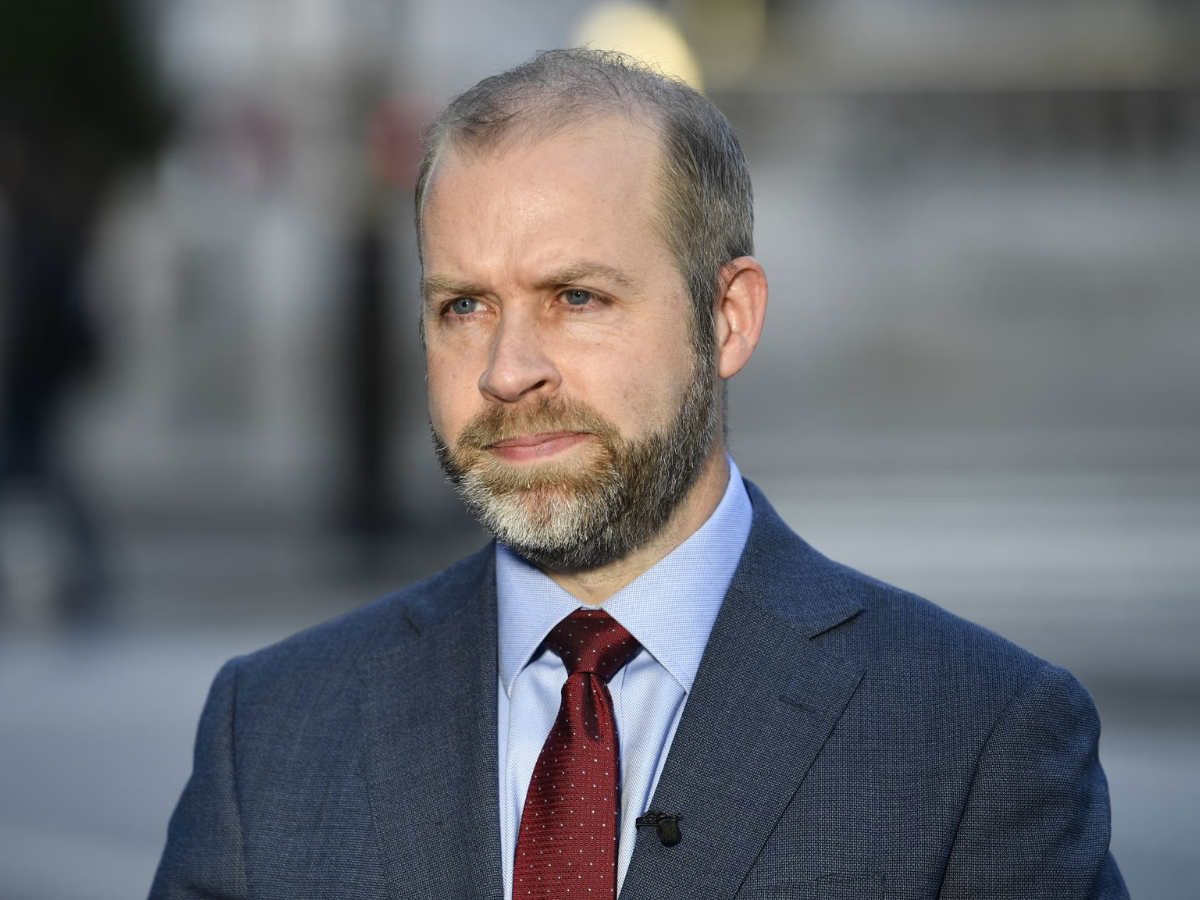
Max Jaderberg, president of Isomorphic Labs, said the funding reflected the performance of the platform across the company's internal programmes. "Our drug design engine works and it's giving us a repeatable way to design new medicines for a wide range of diseases," he said. He added that the system had identified viable candidates at speeds that would not have been achievable through earlier methods.
Statements of that kind are common among companies operating in this space, and are difficult to assess without independent data from clinical trials. What distinguishes Isomorphic Labs from many of its competitors is the depth of its connection to DeepMind, whose AlphaFold protein structure prediction model reshaped how researchers approach molecular biology. That lineage does not guarantee clinical success, but it has clearly influenced how seriously investors and scientific institutions take the company's claims.
The broader AI drug discovery sector has attracted significant funding in recent years, with companies in the United States, Europe and China all competing to demonstrate that machine learning can produce approved medicines at a rate that justifies the investment.Several AI-designed drug candidates are currently undergoing clinical trials, although none have yet secured regulatory approval. Isomorphic Labs has not yet provided details on the specific disease areas of its pipeline or the development status of its most advanced programs.
At £1.6 billion, this round places Isomorphic Labs among the best-funded companies in the sector globally. The question now is whether science can keep pace with the capital behind it, and how long investors are prepared to wait for answers that only clinical data can provide.


.jpg)

.jpg)