
.jpg)
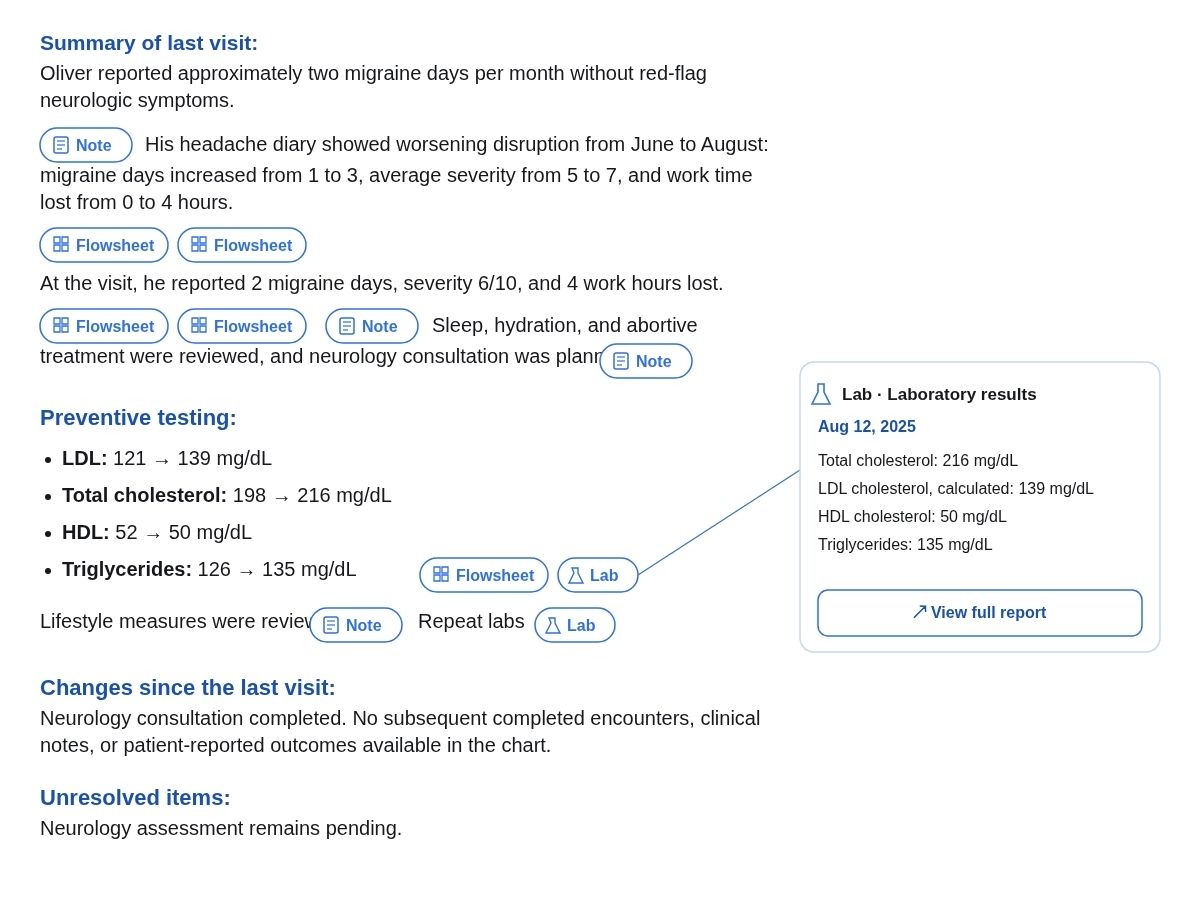
For much of the AI boom, healthcare has treated generative AI as something that lives beside the patient record rather than within it. Doctors opened a separate tool, researchers searched another database, and managers used AI at arm’s length from the system where clinical work actually happens. OpenAI’s new Epic integration changes that architecture. It brings authorised patient context into ChatGPT for Healthcare and, in supported deployments, can place ChatGPT directly inside the electronic health record workflow.
That matters because the central problem in modern healthcare is no longer simply access to data. It is the burden of navigating too much of it. A single patient record can contain years of notes, pathology, medications, referrals, imaging, discharge summaries and specialist correspondence. The information exists, but the clinician still has to find the thread that matters. OpenAI’s pitch is that an authorised user can ask what has changed since the last visit, which lab results matter before today’s appointment, whether medicines have shifted, or which follow ups remain unresolved. That turns AI from a generic assistant into a synthesiser of clinical context.
This is the real shift. For two decades, most electronic patient records have behaved like digital filing cabinets. They store information, preserve chronology and support documentation, but they rarely help the clinician understand the narrative at speed. If ChatGPT can safely summarise the record, surface the most important changes and point back to the source data, then the record becomes something more active. It becomes an intelligent workspace. In an outpatient clinic, that could mean faster pre visit preparation. In urgent care, it could mean quicker orientation. In multidisciplinary teams, it could mean less time reconstructing history and more time deciding what to do next.
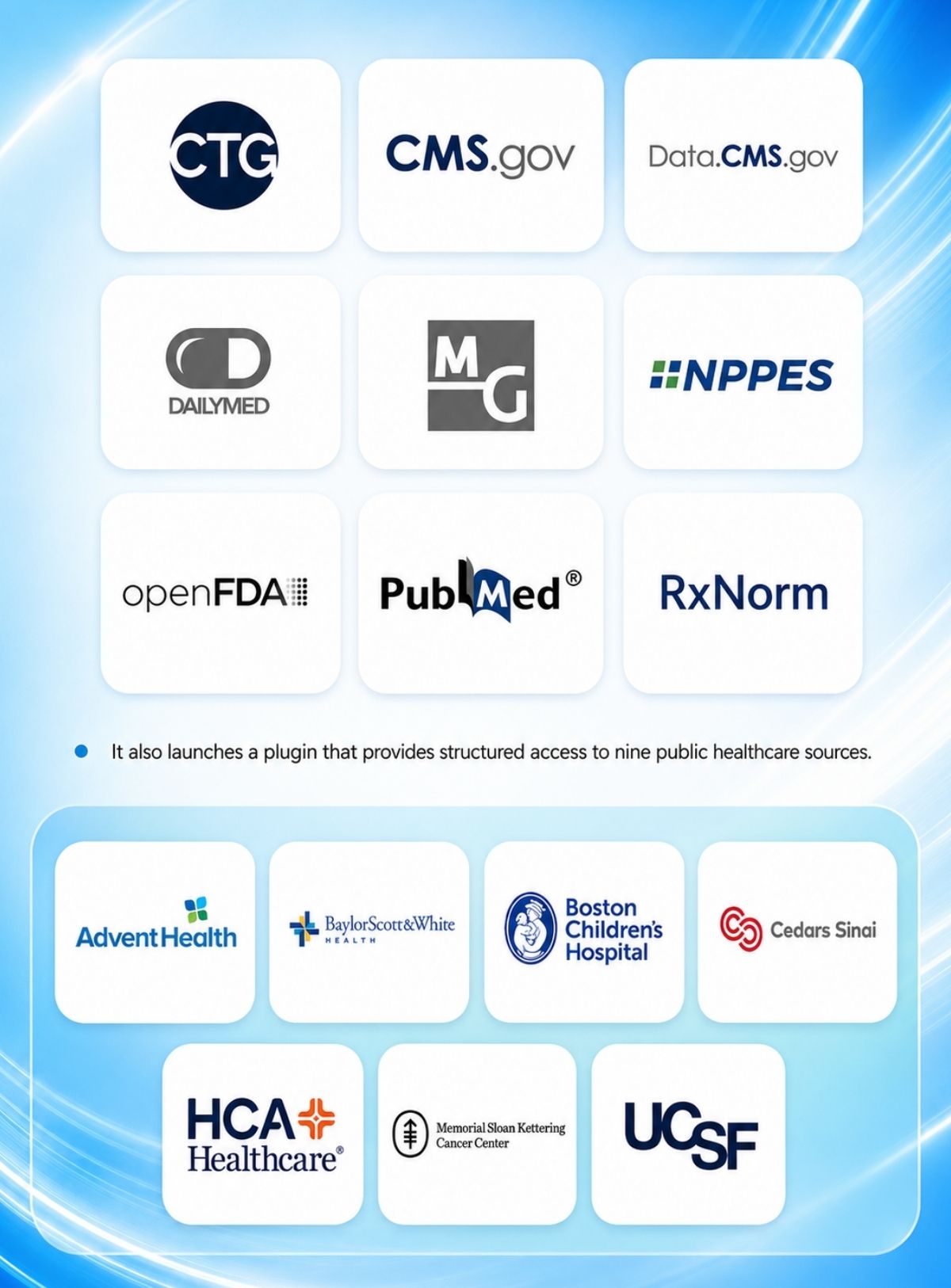
OpenAI has also launched a Healthcare Public Data plugin that provides structured access to nine public healthcare sources. That may sound less dramatic than the Epic integration, but it could prove just as significant. The value of healthcare AI rises sharply when it can move across different types of evidence. A clinician may need trial information, medication labels, coverage guidance or provider data alongside the patient record. A research or population health team may need to compare evidence, interrogate public datasets and build a more complete operational view. If those sources can be worked through inside one governed environment, AI starts to look less like a novelty and more like infrastructure.
For the NHS, the implications are immediate. Trusts have spent years investing in electronic patient records, local digital maturity, shared care records and data platforms. Yet digitisation alone does not guarantee productivity. A digital chart can still be slow to read. A clinic can still begin with a consultant hunting through multiple tabs. A ward team can still spend valuable time piecing together information before making a decision. The promise here is not that AI replaces judgement. It is that AI can improve the starting point for judgement. Imagine an oncologist seeing the key changes since the last appointment in seconds. Imagine a medical registrar entering a ward round with a concise chronology already prepared. Those are not trivial gains. Across a trust, they could add up quickly.
None of this will matter if the governance is weak. The moment AI touches a live patient record, the standard rises sharply. The questions become obvious. Who can access what? How permissions are inherited. Whether the model can be audited. How source material is shown. Who remains accountable for the clinical decision. OpenAI says the capabilities sit inside governed enterprise workspaces with role based access, audit logs and support for HIPAA compliant use under the right agreement structure. That is the correct direction, but NHS deployment would still require rigorous information governance, clinical safety assurance, evaluation and local control. The lesson is simple. Powerful AI is not enough. Trusted AI is the only version that will survive in frontline care.
The significance of this launch is therefore bigger than one vendor or one integration. It signals that the electronic patient record is no longer just a place to store care. It is becoming a platform on which intelligence can sit. That should focus minds across the NHS. The trusts that move first will not necessarily be those that buy the most AI. They will be the ones that integrate it well, evaluate it honestly and apply it to the parts of the clinical workflow where staff lose the most time today. If that happens, the benefit will not be abstract. It will be measured in faster preparation, clearer decisions and more time returned to clinicians. In a health service short of time almost everywhere, that may be the most explosive impact of all.
Source note
Article based on OpenAI’s announcement on 1 September 2026 regarding its Epic integration for ChatGPT for Healthcare, its Healthcare Public Data plugin and its governed enterprise workspace controls.



.jpg)