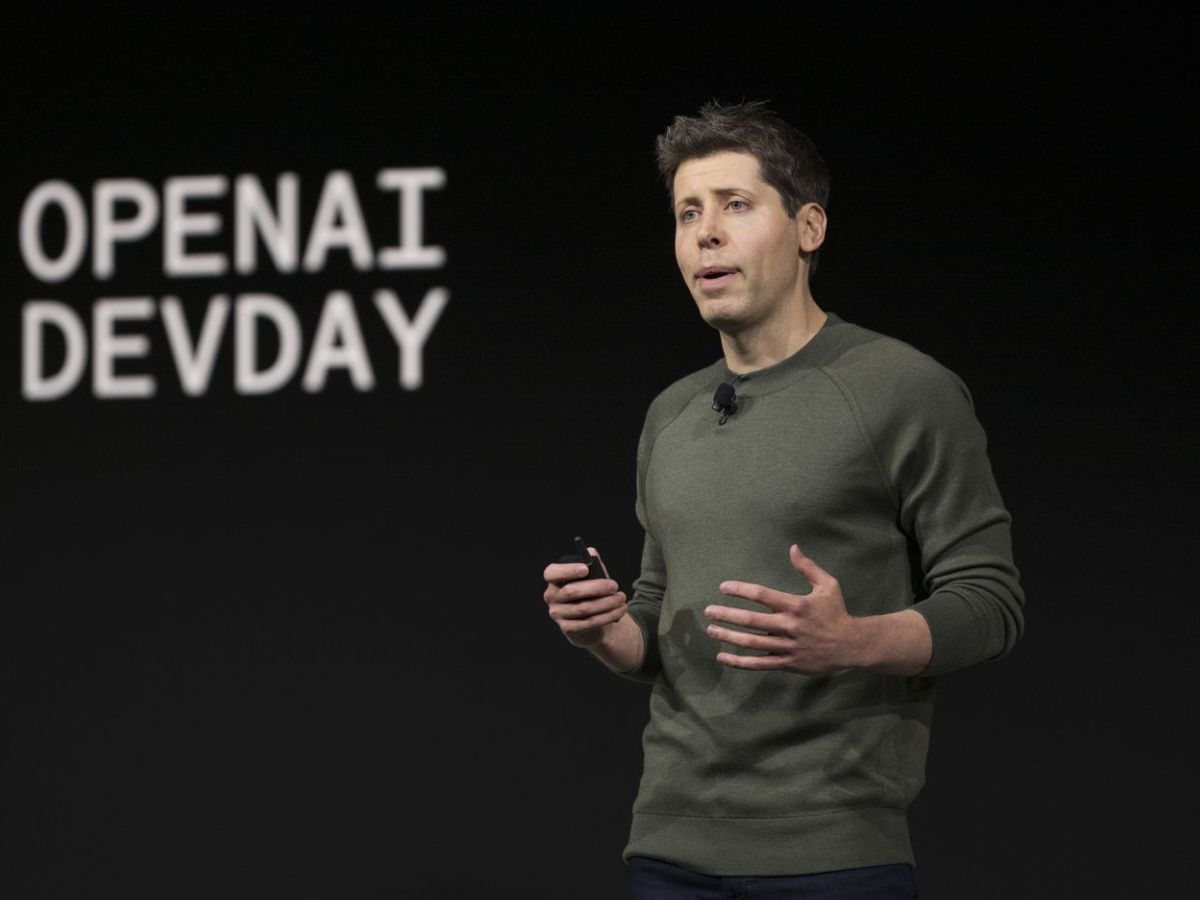
A doctor in Ohio can now ask a chatbot what changed in a patient's chart since Tuesday, and get an answer drawn straight from Epic, cross-checked against nine official health registries, before the coffee has cooled. That is the quiet promise behind OpenAI's newest healthcare integrations: an assistant that reads the electronic health record, cites PubMed and DailyMed without being asked, and slots into workflows clinicians already use. It sounds modest. It is not. It is the moment a general-purpose AI company stopped offering advice about medicine and started sitting inside the clinical record itself.
For the NHS, watching from across the Atlantic, the temptation is to treat this as an American story with limited domestic bearing. The health service does not run on Epic everywhere, its data architecture is fragmented across trusts, GP systems and community providers that rarely speak to each other cleanly, and its procurement rules move at a pace that would make a Silicon Valley product team wince. All of that is true, and it would be a mistake to read OpenAI's announcement as a preview of an NHS rollout. The connection here is not operational. It is competitive and political, and that distinction matters more than it first appears.
Consider what the NHS has spent the past two decades trying and largely failing to do: build a single, trusted, queryable view of a patient's history that clinicians can act on without wrestling with six different systems. The National Programme for IT collapsed under its own ambition. The Federated Data Platform, built with Palantir, still carries the scar tissue of care.data, the 2014 attempt to pool GP records that dissolved amid public distrust before a single dataset changed hands. Every subsequent digital strategy, from the NHS App to the current ten-year plan's promise of a single patient record, has had to work twice as hard to earn public confidence that earlier failures spent. OpenAI's product does the thing the NHS has been trying to build, at commercial speed, backed by a company whose stated ambition is to fold search, coding, agents and now clinical data into one superapp. That ambition will not stay confined to American hospital systems for long, and when the vendors bidding for NHS digital contracts start pointing to 700,000 physician-reviewed queries across 60 countries as evidence of readiness, trusts and integrated care boards will have to decide, quickly, what standard of proof they actually require.
That is where the workforce and operational pressure bites. NHS clinicians are not short of enthusiasm for tools that save time; junior doctors and GPs have adopted ambient AI scribes and triage assistants faster than most national digital programmes ever managed, often informally, because the administrative burden has become unbearable and formal procurement moves too slowly to meet the need. A system this hungry for relief is vulnerable to importing capability before it has resolved the governance questions that sank care.data: who owns the query logs, what happens to patient data that touches a foreign company's infrastructure, and who is accountable when a summarised chart omits something a clinician needed. Regulators, including the MHRA and the Information Commissioner's Office, are already stretched thin assessing a wave of AI medical devices; a product that reads across the whole record rather than performing one bounded task sits awkwardly inside frameworks built for narrower tools.
There is a life sciences dimension too. Britain has staked real political capital on being a place where health AI is built and tested, not merely bought. If the most capable clinical-data assistants are developed and proven in American hospital systems first, the UK's ambition to lead risks curdling into the more familiar role of fast follower, adapting tools designed for someone else's data architecture and someone else's liability regime. Ministers keen to court life sciences investment will need an answer for that before the question is asked in public.
None of this demands panic. It demands a decision. The NHS does not need to match Silicon Valley's pace, but it does need a settled position on what evidence, what governance and what accountability it will require before tools like this one reach a British ward, because the alternative is making that decision retrospectively, under pressure, with a trust deficit it has not yet repaid.


.jpg)
.jpg)