.jpg)
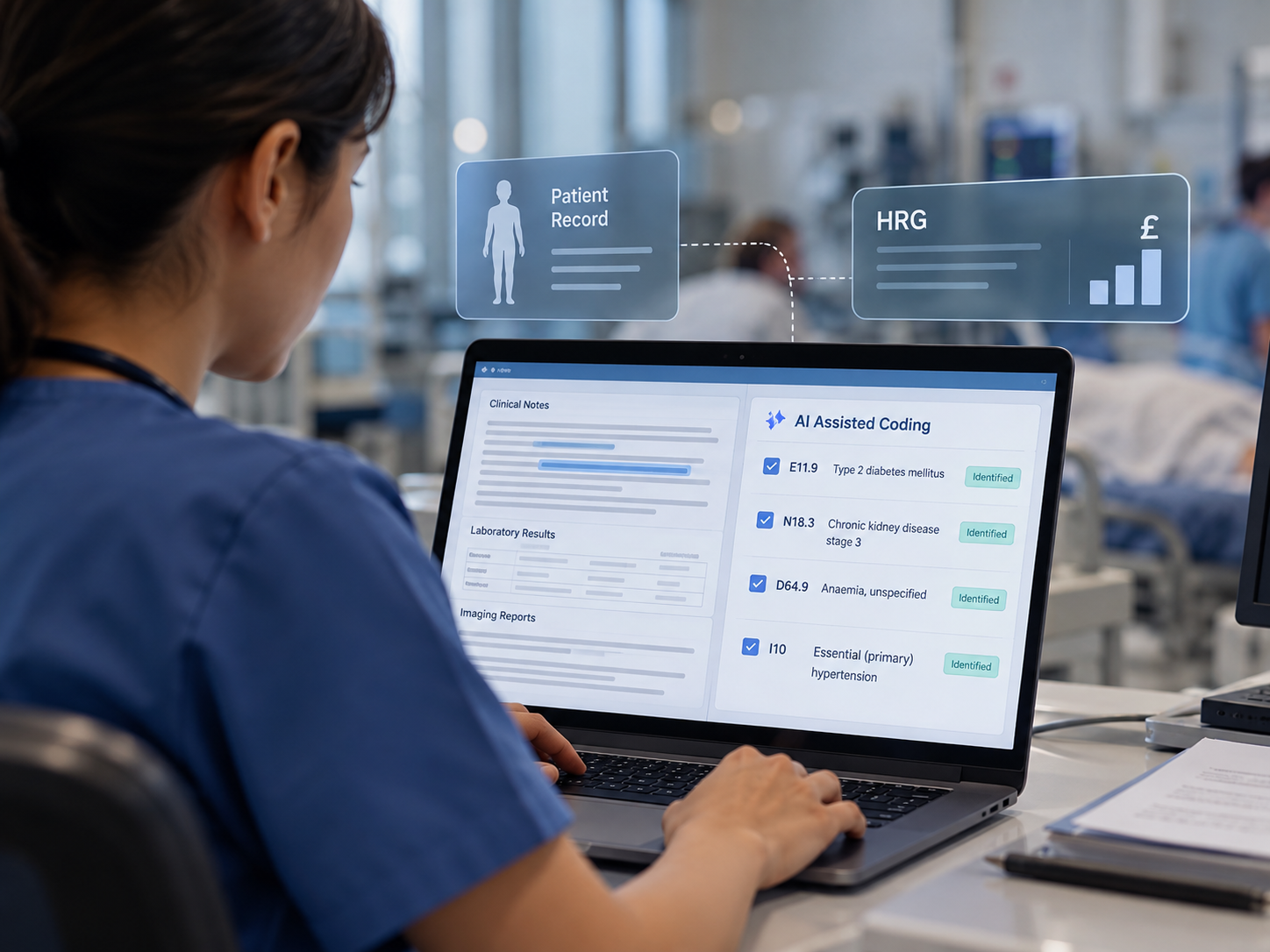
North East London NHS Foundation Trust has reduced missed appointments by up to 25% after introducing an AI-powered booking system developed by technology company EBO. The trust, which serves around 4.3 million people across North East London, Essex, Kent and Medway, deployed the system across two services in early 2025. Missed appointments, recorded as "did not attend" or DNA rates, cost the NHS an estimated £140 per occurrence, making their reduction a measurable financial as well as operational priority.
Before the system was introduced, the trust managed appointment bookings primarily through telephone calls and posted letters. Phone lines operated between 9am and 5pm only, leaving patients with no means of cancelling or rescheduling outside those hours. The burden fell on administrative staff, who spent substantial time on manual rescheduling work. In the 0-19 health visiting service covering Redbridge, DNA rates had risen from 19% to 21% between 2023 and 2024. Developmental review uptake among eligible children in that service stood at 40%.
EBO's system was deployed initially across two services: the 0-19 health visiting service, beginning with one-year developmental reviews, and the musculoskeletal service. At its centre is a virtual assistant, accessible through the trust's website, which allows patients and parents to book, reschedule, cancel or view appointments through a two-way conversation at any time of day. The system connects directly to the trust's Rio electronic patient record, enabling transactions to be completed without staff involvement. Before the system went live, EBO and the trust's transformation teams ran workshops with frontline clinical and administrative staff to redesign booking workflows.
The outcomes across both services have been measurable. In the 0-19 service, DNA rates fell by 25% following the introduction of automated rescheduling in January 2025. Developmental review uptake in Redbridge rose from 40% to 60%. The annual financial saving from the decrease in missed appointments for the nine-to-twelve month review clinics is projected to be £49,939. In the musculoskeletal service, DNA rates dropped by 20%, producing an estimated saving of £119,196 annually. Across both services combined, the projected yearly saving from reduced missed appointments totals £169,135, with additional administrative efficiency savings estimated at over £4,500 per service per year.
One of the more significant findings concerns when patients are actually using the system. In the 0-19 service, 42.7% of virtual assistant activity took place outside standard working hours. In the musculoskeletal service, the figure was 45.4%. This suggests that a substantial proportion of patients either cannot or do not engage with appointment management during the traditional working day, and that the absence of out-of-hours access was likely contributing to DNA rates rather than simply reflecting patient disengagement.
Patient satisfaction scores, collected at the end of each virtual assistant interaction, reached 90% for the 0-19 service and 91% for musculoskeletal. Lisa London, Head of 0-19 Services at the Redbridge service, said the system had enhanced the trust's ability to deliver services "in a way that is modern, responsive, and aligned with the needs of today's families." David Pike, Director of Clinical Systems and Innovations at the trust, pointed to a broader gain in capacity: "Between January and April, comparing last year to this year, we were able to offer 1,400 more appointments. That's on top of a clear reduction in DNAs. So, not only are we saving costs by avoiding missed appointments, but we're actually expanding access and making better use of our clinics and estates."
Following the results from both pilot services, the system has since been extended to all 0-19 service teams across the trust, as well as to children's therapies, adult therapies and CAMHS. The virtual assistant supports over 100 languages and the trust has indicated that multilingual and voice-based access could further improve reach across its diverse patient population.


.jpg)