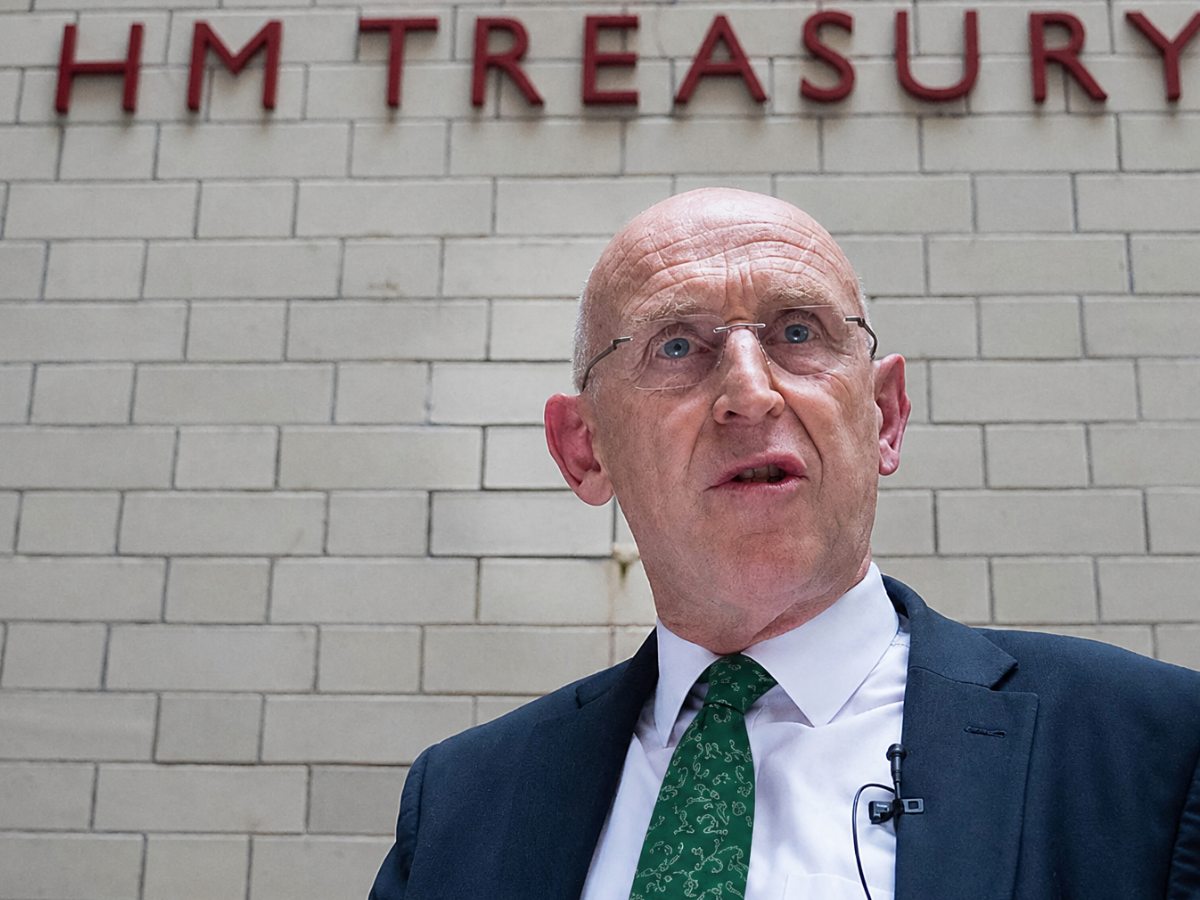
The NHS in England is reportedly reneging on a confidential £1 billion funding agreement with HM Treasury, which was intended to significantly boost community health services. This backtrack, which has seen resources for community-level care reallocated or delayed, is causing alarm among trust and commissioner leaders and jeopardising long-term health system transformation.
The unpublicised deal was a critical component of the government's strategy to shift care away from acute hospitals and into local, community settings. Bolstering community services—including rapid response teams, community nursing, and preventative care—is widely considered essential for easing pressure on acute care and enhancing patient experience.
However, the promised £1 billion commitment has not materialised. Integrated Care Boards (ICBs) had factored this anticipated funding into their 2025/26 and 2026/27 budgets, specifically for services like reablement, discharge support, and chronic condition management, which alleviate hospital demand. The sudden uncertainty is forcing commissioners to rapidly revise their financial plans.
This funding failure underscores a long-standing challenge in the health system: how to successfully finance a transition to community-centred care without destabilising hospitals already under severe pressure from rising demand and elective backlogs. Community services frequently find themselves competing for the same constrained commissioning resources as urgent and acute care.
While adult social care spending, a closely linked area, has risen (with gross expenditure in England increasing by around 8% between 2023/24 and 2024/25), the overall funding landscape remains tight. Despite successive planning frameworks emphasising the need for care outside of hospitals, implementation remains uneven. Although NHS England projected around 3.4–3.6% budget growth for place-based commissioning in 2024/25, this was not ring-fenced for community services in the way the disputed £1 billion was expected to be.
Critics and policy experts stress that transparent and committed investment in community and preventative services is vital to reduce avoidable hospital admissions and improve local health outcomes. Without clarity on multi-year funding, many ICBs face the difficult choice of prioritising immediate acute demand over crucial community service investment, threatening efforts at system integration and prevention. The consequences are tangible: reduced community capacity risks increasing pressure on emergency departments and inpatient beds, with knock-on effects on waiting times.
Local health leaders are calling for clarity and transparency around funding commitments to enable coherent long-term planning and build public trust. Analysts have advocated for the formal publication of the original agreement and a refreshed funding settlement that explicitly aligns money with strategic priorities like community services and prevention. Without this, system leaders warn that transformational ambitions will likely be compromised by short-term budget shifts that favour immediate acute needs.
The reported collapse of the £1 billion community service funding deal is a stark illustration of the ongoing tension in NHS financing: the struggle to securely and transparently back policies aimed at shifting care into the community while managing relentless acute demand.


.jpg)
.jpg)
.jpg)