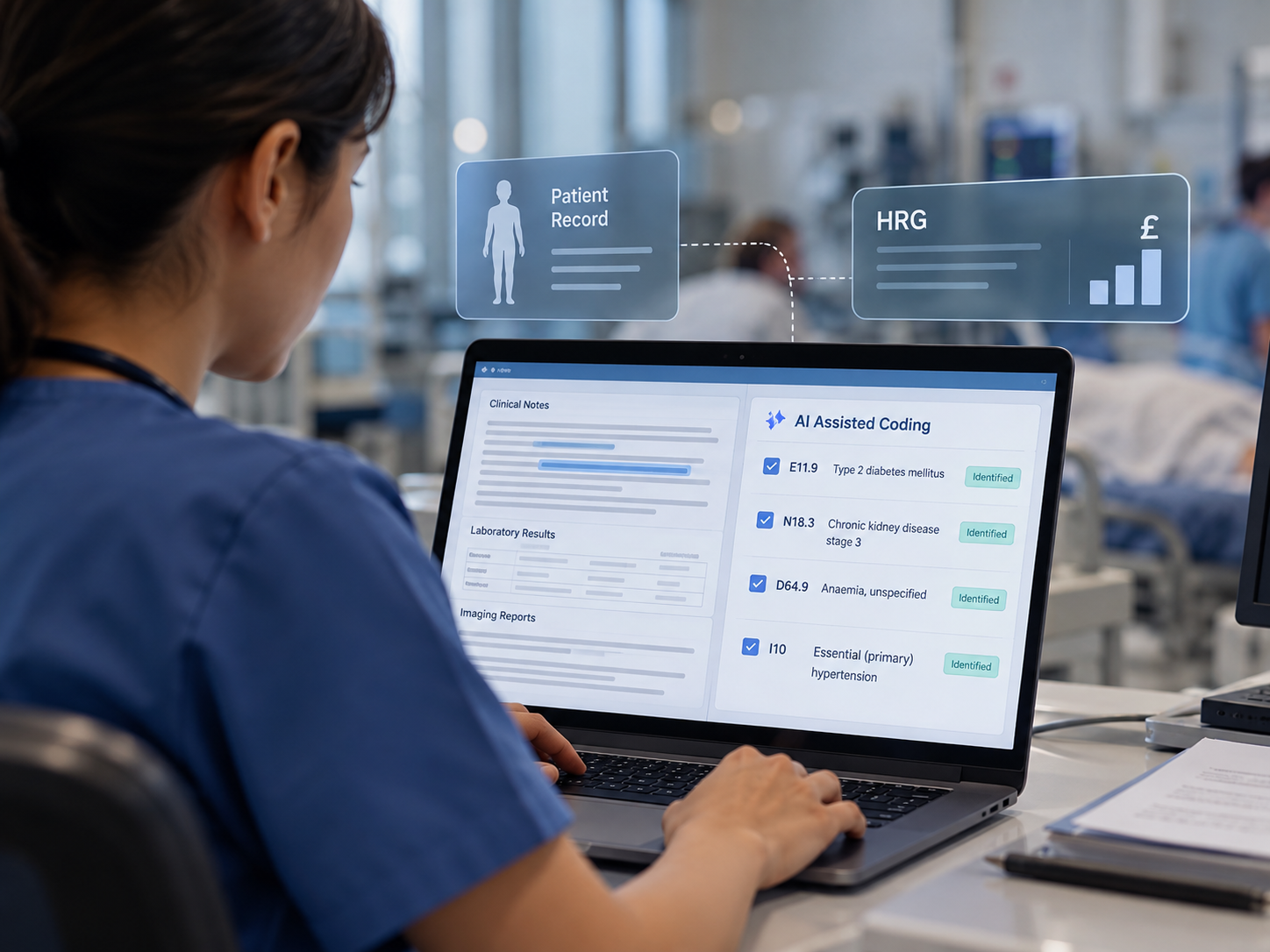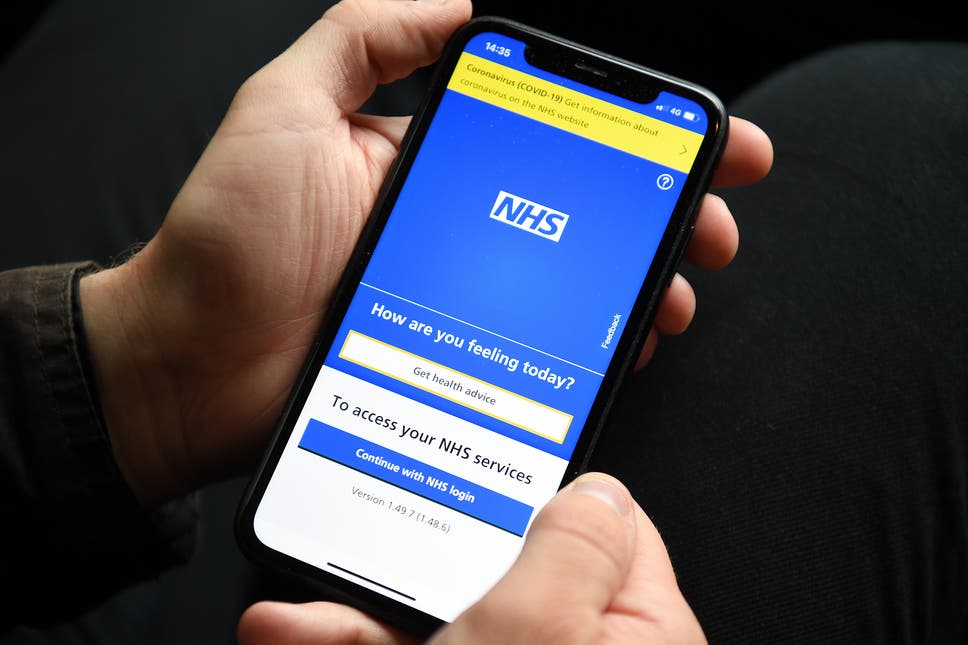
Patients will increasingly be able to choose where and when they receive treatment, a significant departure from traditional referral processes. The upgrade allows users to compare waiting times, view provider performance, and select providers when booking non-urgent care, directly supporting elective care reform to cut waiting lists.
Enhancements will enable patients to self-refer to services such as mental health support, audiology, and podiatry, bypassing primary care gatekeeping and broadening access. Users can access test results and health records via the app, supporting timely decision-making and empowering individuals to follow up on care pathways, from choosing follow-up appointments to selecting a remote consultation. The app's digital-first messaging strategy will expand to send hundreds of millions of communications, including screening invitations, reminders, and test results, directly to users, improving uptake and information delivery.
The upgrade leverages established digital gains. By March 2025, 87% of hospitals were using the app for appointments and prescriptions. The app has been credited with preventing 1.5 million missed hospital appointments and saving millions of hours of staff time. Its reach is substantial, having surpassed 39 million users, underlining its central role in everyday healthcare management across England. Regional successes, such as in the North West, where four million patients have registered, demonstrate its growing impact on improving the patient experience.
Backed by NHS England’s Medium Term Planning Framework (2026–29), the upgrade is a foundation for further modernisation. A major future development is the creation of an "online hospital": a fully digital model where patients can book specialist appointments, scans, and tests via the app and connect with expert clinicians anywhere in England, potentially easing pressure on physical services.
Despite these advances, NHS leaders stress that the expansion must be accompanied by support to ensure no patient is left behind, particularly older adults or those without easy internet access. Practical support in community hubs will be vital to guarantee equality of access as digital choice becomes embedded in NHS care pathways.
In essence, the 2026 NHS App upgrade is a strategic move toward patient empowerment, personalised choice, and seamless digital engagement, enabling individuals to play a more active role in decisions about their care and treatment.


.jpg)

.jpg)