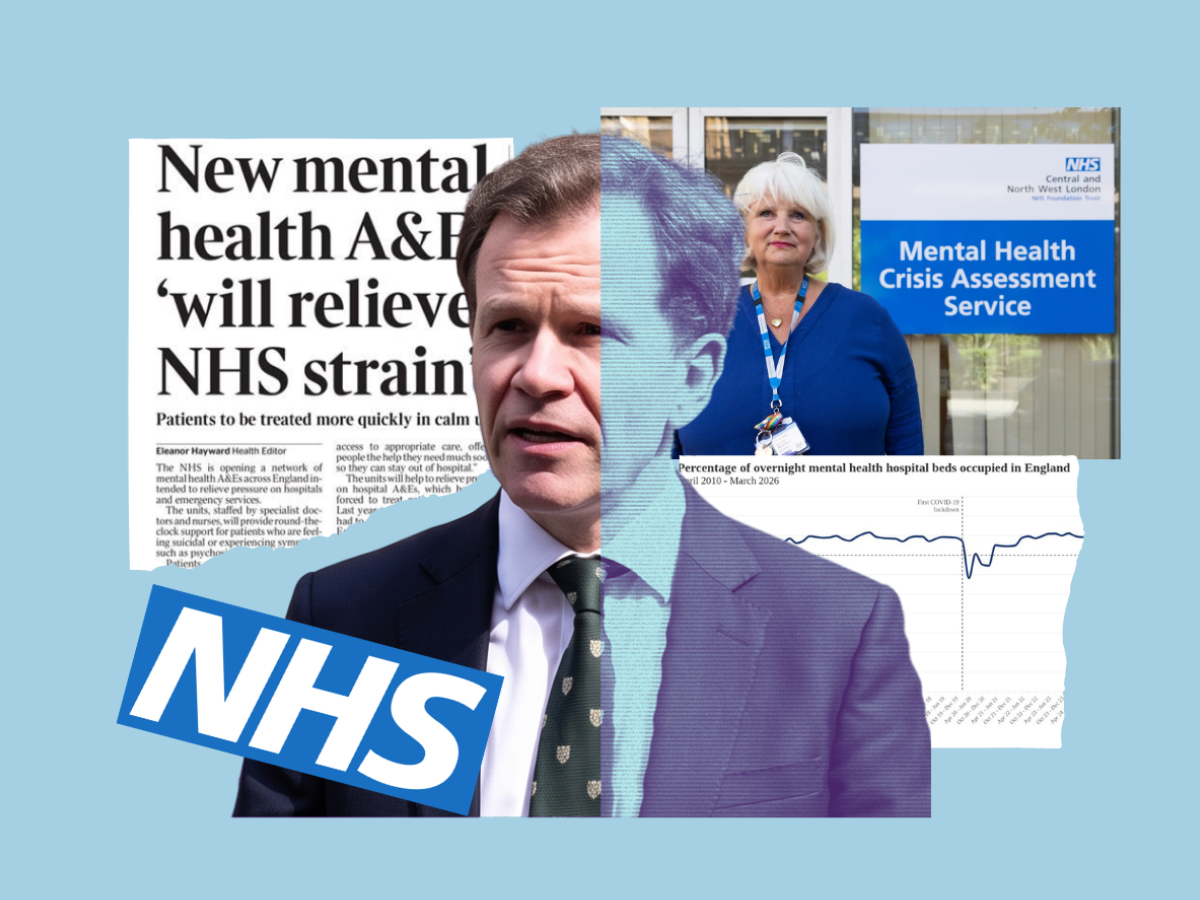
NHS mental health leaders have agreed to a set of strict, publicly reported performance targets, including a four-week maximum wait for children and young people seeking treatment. The move brings mental health services into line with acute and cancer care, where waiting time standards already carry constitutional weight within the health service.
The decision marks a shift in approach. Rather than relying on appeals to public need, trust leaders are now offering hard performance data to the Treasury as the basis for securing and expanding the sector's £16.1 billion budget through to 2028/29. Accepting binding standards is, in effect, a wager that measurable progress will strengthen the case for future investment.
The scale of the challenge facing services is considerable. More than 1.7 million people are currently waiting for mental health care in England. Among young people referred for treatment, 70% wait longer than four weeks for an initial appointment. Over 90,000 children have been waiting more than two years for specialist community care. These figures illustrate why informal estimates of demand are no longer considered adequate, and why national leaders have concluded that binding standards are now necessary.
Dr Nick Broughton, National Priority Programme Director for Mental Health, Learning Disabilities, and Neurodevelopmental Disorders, has argued that deeper reform is required to address the underlying mismatch between supply and demand. Discussions about managing demand have taken place at a senior level for some time, yet the core pressures on the system remain unresolved. Patient numbers have continued to rise faster than services can expand to meet them, meaning incremental adjustments have failed to close the gap.
Several areas have been identified as priorities within the new framework. These include care for people with severe and enduring mental illness, expansion of youth services, and the growing backlog in neurodevelopmental assessments for autism and ADHD. Regional disparities remain a persistent problem, with the quality and availability of care varying significantly depending on where a patient lives.
One of the central proposals for managing demand involves the creation of dedicated mental health emergency departments alongside round-the-clock community crisis hubs. These facilities are intended to divert people experiencing psychiatric crises away from general hospital accident and emergency departments, which are often not equipped to handle complex mental health needs. Early assessment and stabilisation through these dedicated pathways is expected to reduce the number of cases that escalate to the point of requiring long-term inpatient care. Advocates also point to the potential relief such services could offer to ambulance crews and police officers, who are frequently called upon to respond to mental health crises in the absence of alternative options.
The strategy nonetheless carries substantial risk. Workforce shortages continue to affect large parts of the mental health sector, and problems with staff burnout and retention raise doubts about whether trusts have the capacity to meet the new targets consistently. The sector's record on long-term commitments is mixed; previous pledges, including the elimination of out-of-area placements, have not been fully delivered.
By agreeing to self-imposed targets, mental health leaders have accepted a degree of political exposure that did not previously exist in the same form. If trusts succeed in meeting the standards, they will have built a stronger case for continued investment beyond 2029. If they fail, they risk public criticism over commitments they set for themselves. The coming years will show whether this approach to securing NHS funding proves to be a sound strategic calculation or a costly miscalculation.



.jpg)