
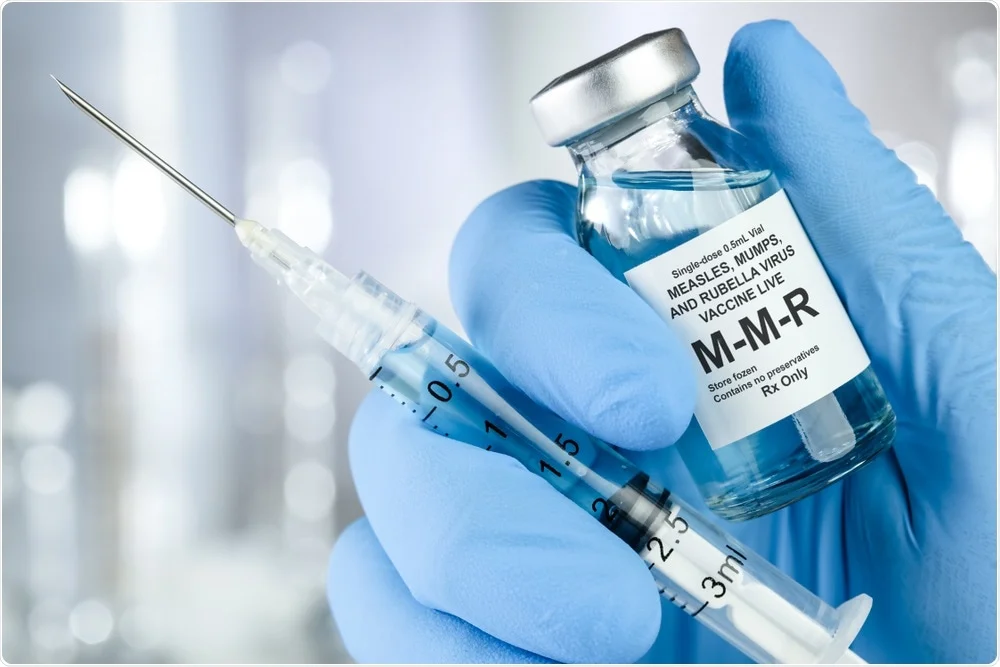
The resurgence of measles in the UK, a disease once considered eliminated, is sounding an alarm for public health. The core issue is the persistent failure of MMR (measles, mumps, and rubella) vaccination rates to reach the 95% threshold required for effective herd immunity, leaving tens of thousands of children vulnerable and sparking concerns about the re-emergence of other vaccine-preventable diseases. This decline has led the World Health Organisation (WHO) to declare that measles is no longer eliminated in the UK.
The latest data from the UK Health Security Agency (UKHSA) confirms a significant immunity gap, with vaccine uptake among five-year-olds in England falling to approximately 83.7%. The tangible consequences of this gap are stark: England documented 2,911 laboratory-confirmed measles cases in 2024—the highest figure in decades—with cases continuing into 2025. Immunity deficits persist, particularly in areas with low coverage, making further outbreaks likely. Measles is highly contagious and can cause severe complications, including pneumonia, encephalitis, and even death, as tragically highlighted by a child death attributed to the virus in the UK in 2025.
Experts attribute this decline to a combination of factors, including persistent vaccine hesitancy fuelled by misinformation and significant access barriers, such as difficulties in booking appointments and underlying socio-economic challenges in certain communities.
Public health professionals view the measles resurgence as a crucial warning sign for broader issues within childhood immunisation programmes. As coverage declines across the board, diseases once controlled—such as whooping cough (pertussis), polio, diphtheria, tetanus, and rubella—could rapidly re-emerge. Global trends indicate that measles outbreaks often precede those of other infectious diseases due to its extreme transmissibility.
In response, the NHS and public health agencies have launched an intensified national MMR catch-up campaign, urging parents to verify their children’s immunisation status and aiming to reach millions of under-16s who are either unvaccinated or not fully protected. Two doses of MMR offer approximately 99% protection. However, vaccination coverage is uneven, with regions like London and parts of the North West exhibiting notably low uptake, creating prime locations for transmission. To address this, experts advocate for targeted, community-based strategies, including mobile clinics, school-based programmes, and culturally tailored communication, to tackle inequality and boost protection against what remains a high threat of serious outbreaks.



.jpg)
.jpg)
.jpg)