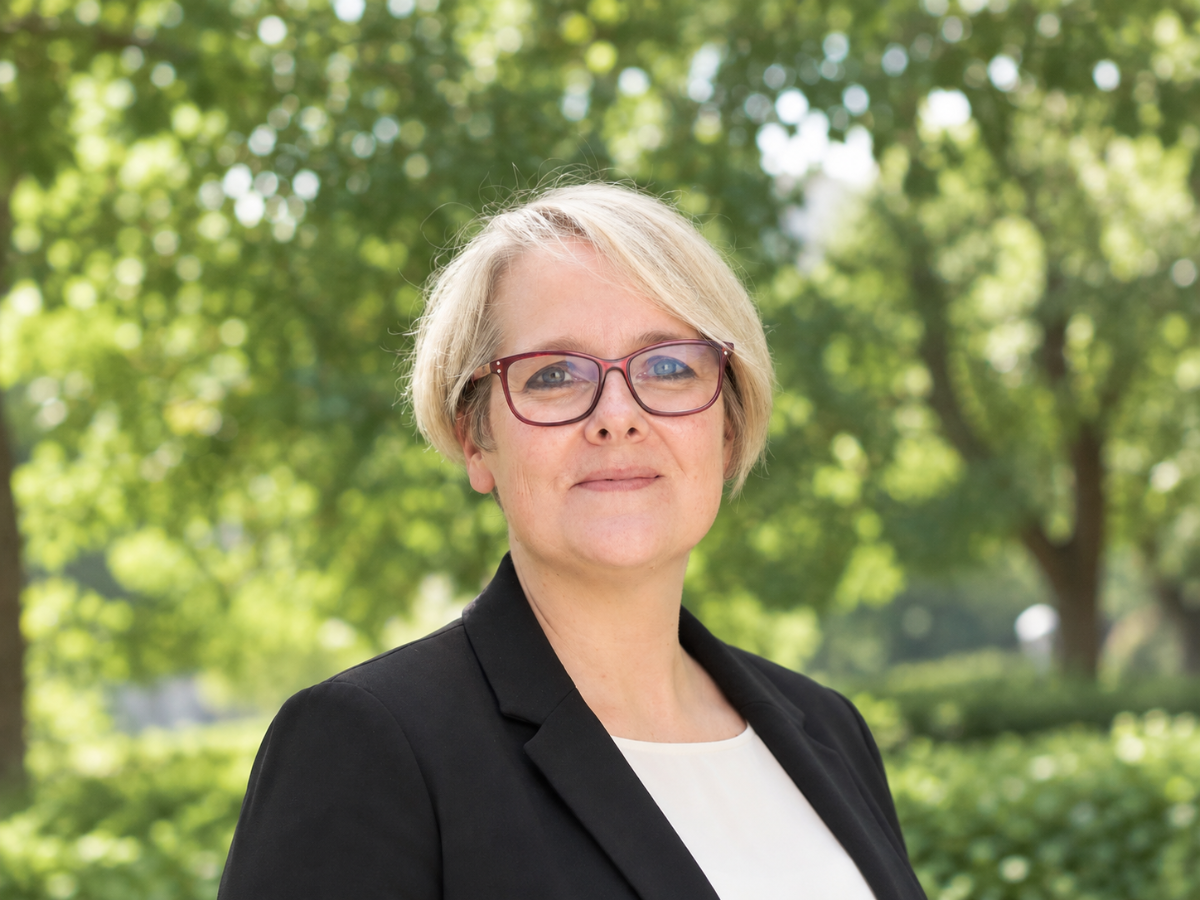
Chris McCann, Acting Chief Executive of Healthwatch England
A patient quoted in written evidence to the Public Bill Committee in June described going to Healthwatch after the formal NHS complaints system had repeatedly stonewalled and failed them. That account sat in the parliamentary record while the Health Bill proposed to abolish the body that had listened. On 28 October the Health Secretary, Yvette Cooper, withdrew the proposal. Healthwatch England and the 153 local Healthwatch organisations will be retained and given a wider remit.
The original plan followed the Dash review, which the government accepted, and was presented as a simplification of a crowded patient safety landscape. Functions were to pass to integrated care boards and local authorities. Reversing a formally adopted position within months of a change at the top of government takes political confidence, and ministers deserve credit for it. Baroness Merron is expected to confirm the change during Lords debates on the bill. Andy Burnham had written to the then health secretary in November 2025, before he became Prime Minister, warning that abolition was a serious mistake. Labour, Conservative and Liberal Democrat parliamentarians had all voiced concern, which gave the reversal a breadth of support that few health policy decisions enjoy.
The relevance to the NHS is direct and structural. The bill abolishes NHS England and moves its functions to the Department of Health and Social Care and to integrated care boards, which plan, fund and oversee local services. Had Healthwatch duties moved there as well, the organisations whose performance patients comment on would have been responsible for gathering those comments. The Nuffield Trust and the Local Government Association, joined by other health bodies, had warned of that conflict in a joint intervention. Independence is the quality that makes patient feedback credible to the public and useful to those who run services.
Healthwatch was created after hospital failures in which warning signs were ignored and complaints dismissed, and its value lies in collecting unsolicited feedback in every local authority area. Its reports on access to NHS dentistry and on how patients are told about appointments have given commissioners and ministers evidence from outside the system. One integrated care board had drawn up plans to spend £1.6m keeping its local branch for four years, which suggests that those closest to the system valued it. Waiting list statistics measure activity. Healthwatch records what it was like to wait.
Chris McCann, Acting Chief Executive of Healthwatch England, has welcomed the government's decision to retain and reform the organisation, emphasising the importance of independent patient representation and ensuring that people's experiences help improve services. Research published by Healthwatch England in December 2025 found that 14% of surveyed patients had experienced a GP referral that was delayed, lost, rejected or never sent. Among those affected, 75% reported at least one negative effect on their health and wellbeing. McCann has called for clearer responsibilities across NHS teams, faster referral confirmation and better communication with patients. His work reinforces the central argument behind the government's decision: independent patient feedback can help commissioners and providers identify recurring problems, strengthen accountability and make services more responsive to the people who rely on them.