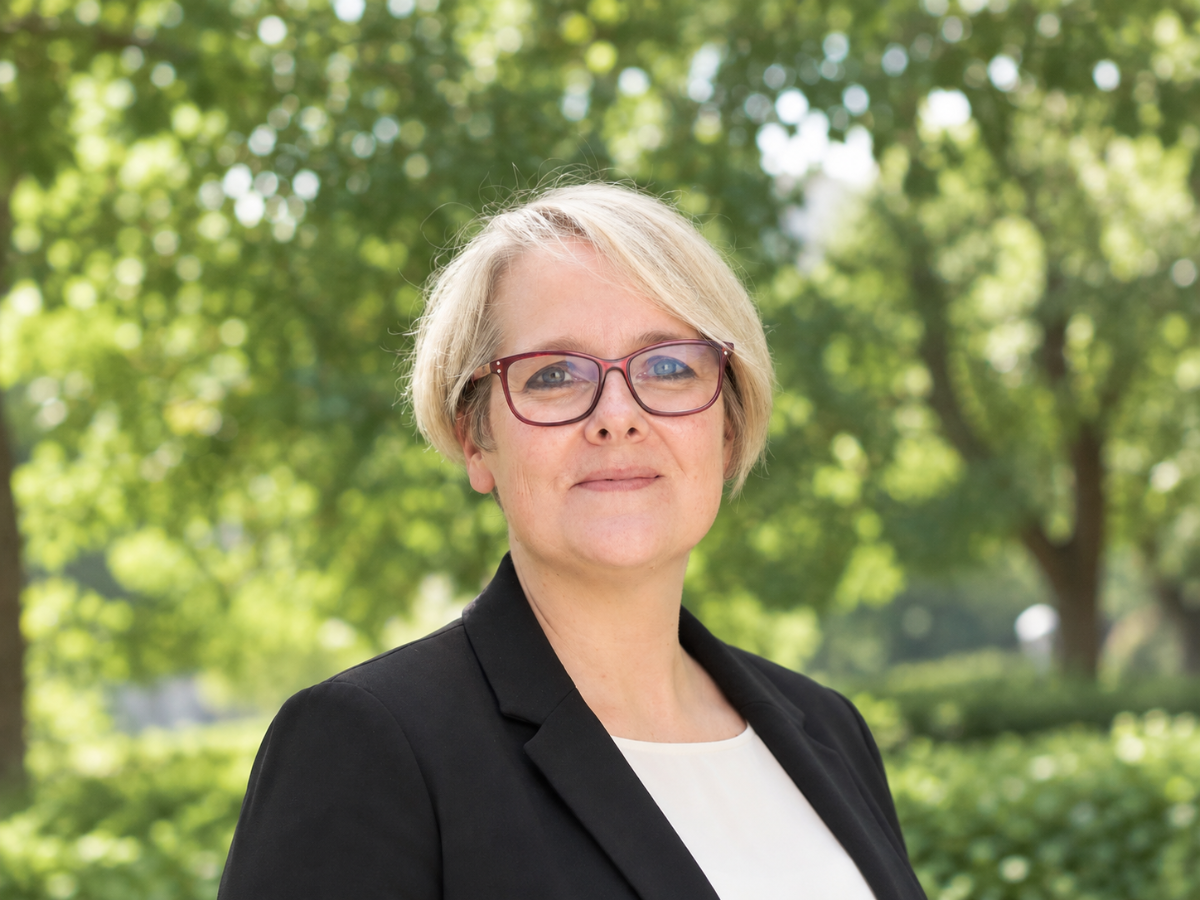
Phil Luke, Interim Chief Operating Officer, of Royal Devon University Healthcare NHS Foundation Trust
Since 11 August, the road from Barnstaple to Exeter has carried a particular kind of journey. Between that date and 27 October, 242 women and birthing people from North Devon gave birth at the Royal Devon and Exeter Hospital instead of at their local unit. Six travelled by ambulance. Fewer than five delivered before reaching hospital. The trust reports no confirmed clinical safety incidents linked to the suspension. For a peninsula where an hour in the car is ordinary, those figures describe a system managing a hard decision with unusual discipline.
The decision followed a plain finding. Royal Devon concluded that it could no longer guarantee the consultant and obstetric medical cover needed for a 24-hour birthing service at North Devon District Hospital, and it acted on that finding. A maternity business continuity plan, drawn up in October 2025 to anticipate precisely this circumstance, was put to use. Antenatal care, scans and community midwifery have carried on locally throughout. The suspension was announced as temporary, and the trust has kept faith with that word by testing readiness on a fixed cycle. The latest assessment took place on 26 October and the next is set for 9 November.
The hoped-for reopening at the end of September did not happen, which was disappointing for families who had planned around it. Even so, the decision to hold back is the most instructive part of the story. Maternity safety is under intense national scrutiny, and past failures have often involved services that kept running on goodwill and stretched rotas after the warning signs had appeared. A trust that publishes its criteria, reassesses every fortnight and declines to name a date until those criteria are met is behaving as that history says it should.
The workforce position explains why the process takes time. Royal Devon is recruiting specialist doctors internationally, with campaigns reaching Australia, New Zealand and Canada alongside advertising in the UK. Each appointee must clear regulatory checks, clinical assessment and local induction before joining the rota, and a safe rota needs enough doctors to absorb leave and sickness as well as nights and weekends. Small rural units feel this arithmetic most sharply, because a single vacancy can leave little slack. That is a national condition in obstetrics, and North Devon shows it in concentrated form.
Phil Luke, Royal Devon University Healthcare NHS Foundation Trust's Interim Chief Operating Officer, is part of the executive leadership responsible for the organisation's day-to-day operational performance. Having previously served as Director of Operations (Eastern) and Director of Transformation, Luke brings operational experience to a trust-wide challenge involving staffing resilience, service continuity and the coordination of care across hospital sites. Publicly available statements identify clinical staffing and safety assessments as the basis for the North Devon maternity suspension, however, and do not establish that Luke personally made the decision. His role is therefore relevant to the wider question of how the trust manages operational resilience and restores the service safely.
The wider policy debate gives the episode its weight. Discussion of consolidating fragile maternity units onto larger sites is gathering pace, and the logic is familiar: concentrate scarce consultants where they can sustain a resilient rota. North Devon offers a live, documented test of what that means in a place with long road times and dispersed communities. The trust's position is that future models must reflect that geography. Eleven weeks of data cannot settle the question, yet the transfer figures and the absence of confirmed incidents give planners real evidence to work with.
The practical lessons differ by audience. Leaders of other trusts with isolated sites can see the value of a continuity plan tested before it is needed and of transparent reassessment dates. Policymakers can see that international recruitment pipelines and regulatory processing times now sit at the centre of service resilience, and that faster safe onboarding could shorten future suspensions. Families can see that antenatal appointments and community midwifery remain local, with travel and financial support available and a newborn outpatient clinic running in North Devon.
The test for the trust is whether the rota will hold once births return. A unit that reopens on a Monday and falters by Christmas would damage public confidence more than any delay. If recruitment lands and the assessment on 9 November, or one soon after, is passed, the service will return on firmer ground than it left. Until then, the discipline on show in Devon is worth recognising and, elsewhere in the NHS, worth copying.