
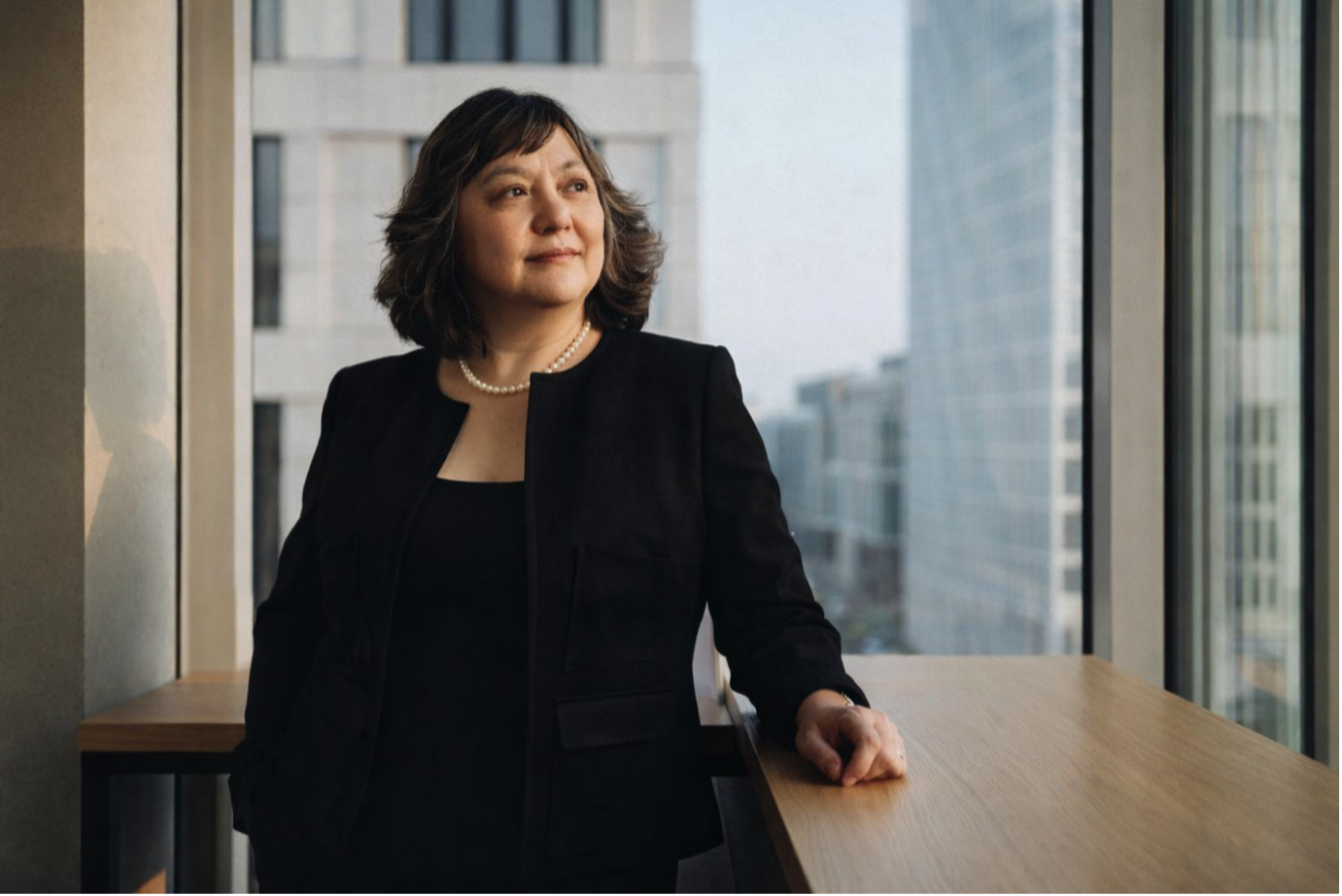
13,550 days. That is how long Ming Tang has spent improving healthcare, first in pharmaceuticals, then consulting, and for the past sixteen years inside the NHS. While others talked about digital transformation, she built it. Quietly, methodically, and largely out of sight, she became the executive responsible for wiring together the data systems that now underpin modern NHS care across the country.
There is nothing showy about Tang. Instead there is composure, the quiet authority of a strategist who knows the detail, builds trust easily and makes complex systems work because she helped design them. In meeting rooms across NHS England, while others debate policy or chase the latest technology trend, she focuses on the fundamentals. Data reconciled. Systems connected. Waiting lists understood rather than guessed at. It is work that rarely makes headlines but determines whether hospitals run smoothly or fall behind. Colleagues describe her as equally comfortable setting national strategy and diving into operational detail, able to align clinicians, analysts and executives around a shared plan. That combination of strategic clarity and delivery discipline has made her the person organisations call when something simply has to work. Britain’s biggest health programme was not built with slogans or fanfare. It was built patiently, piece by piece, under her watch.
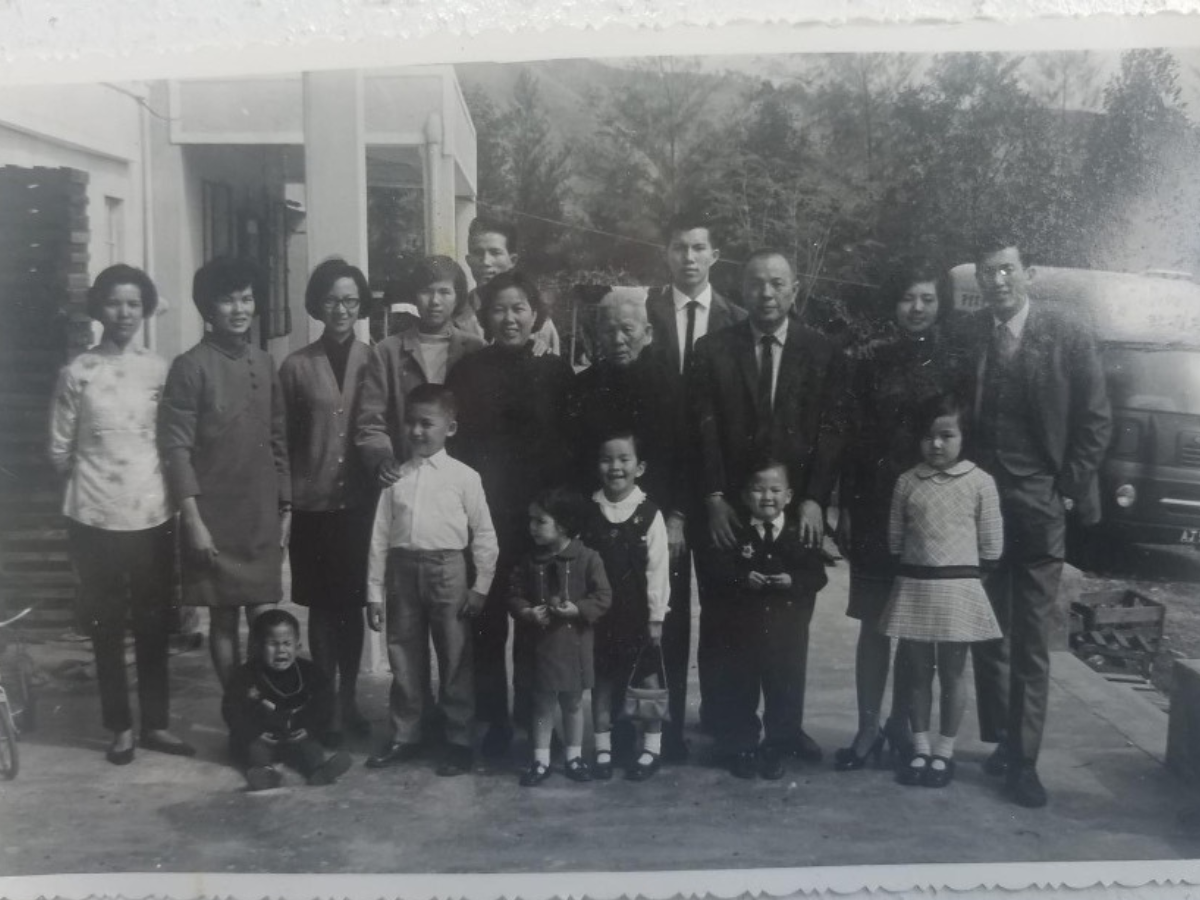
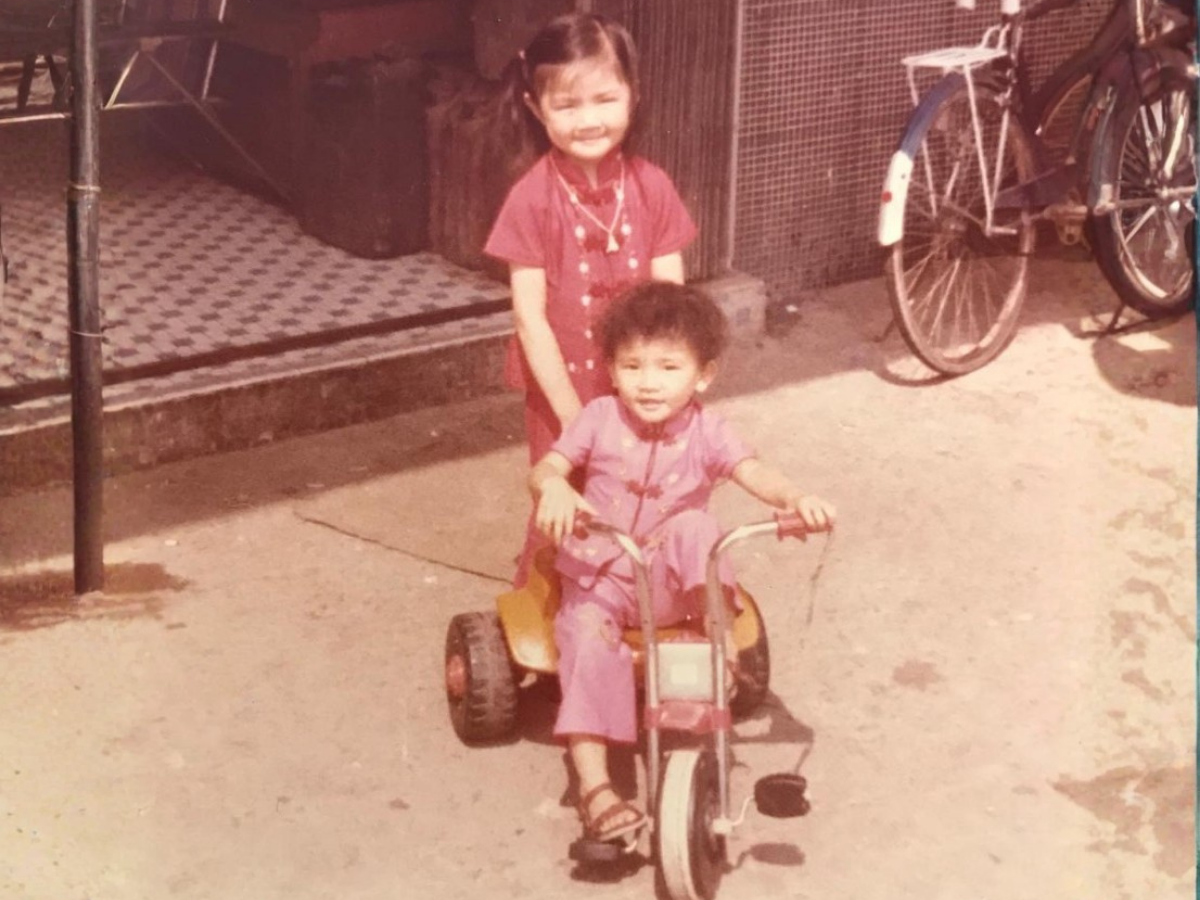
The instincts behind that approach were forged long before boardrooms or Whitehall. Ming Tang was born in Hong Kong in 1964 and raised in the New Territories, in a rural community where extended family life meant everyone carried responsibility. When her father emigrated to England, she lived with relatives above Fanling Police Station, where her uncle served as a police inspector. Later the family reunited in Britain, settling in Essex. Both parents worked long, demanding hours in separate takeaways and restaurants. The children largely looked after themselves in a council house in Harlow, cooking meals, organising homework and solving problems independently. It was not glamorous and it was rarely easy. But it taught resilience and self-reliance early. If something needed doing, you did it. There were no excuses and no safety net. Customers expected service, not explanations. Those small, daily disciplines left a lasting imprint. Tang learned to value reliability over rhetoric and delivery over display. Years later, colleagues would recognise the same mindset in her leadership style. She does not talk about transformation as an abstract concept. She talks about what needs fixing today. Healthcare, she would later reflect, is simply another form of service. People arrive anxious and vulnerable. Your job is to make things work for them. The principle is straightforward. The execution is hard.
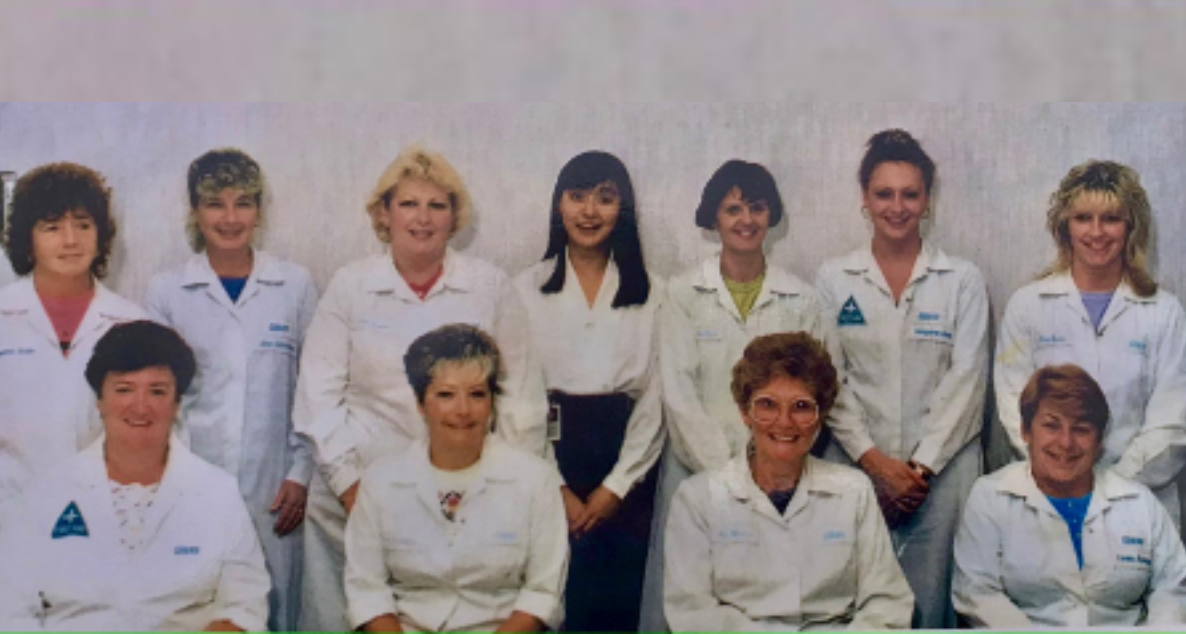
Her professional life followed that same logic. Tang chose pharmacy because it offered applied science with real-world impact, a practical way to improve outcomes without pursuing medicine itself. At the time, it was also a challenging route for someone without connections or a ready-made network. She has spoken about how demanding those early years were, navigating university and the workplace largely on her own terms. Her first major role came not in a strategy office but on a factory floor: team manager at Glaxo’s manufacturing site in Speke, Liverpool. It was industrial, precise and relentlessly operational. But it was formative. Medicines either meet standard or they fail. Systems either hold or patients suffer. Every step documented. Every risk anticipated. There is no room for improvisation. From there she moved into consulting, including senior roles at Accenture, where the lessons broadened from operations to strategy. Consulting taught her how to structure messy problems, break them into solvable parts, align stakeholders and define what success looks like. More importantly, it instilled a delivery ethic. Slides are irrelevant if nothing changes. Plans only matter when they land. By the late 2000s she could have continued comfortably in the private sector. Instead, a more personal motivation intervened. Her mother’s illness and seeing first-hand how care could be better organised shifted her priorities. Efficiency alone no longer felt sufficient. She wanted purpose. In 2009, she joined the NHS, determined to bring the same discipline and systems thinking into public service.
The NHS she entered was purpose-driven but operationally tangled. Fragmented software. Duplicated data. Multiple log-ins to find one patient record. Even basic performance figures disputed because no one trusted the source. For someone trained to value process integrity, it looked less like a system and more like accumulated workarounds. Her first role, leading data and analytics for a shared commissioning support service in the West Midlands, covered 17 primary care trusts and exposed her to the complexity of running services at scale.
It was demanding and often chaotic, but it also revealed something industry rarely offers: a clear moral purpose. Here, better data did not simply mean efficiency. It meant better care. That belief shaped everything that followed. During the upheaval of the 2012 reforms, she helped restore critical data flows so commissioners could actually manage services. During Covid, she led the creation of the NHS Data Store and the analytics capability that powered national dashboards, giving leaders near real-time visibility of hospital pressures and vaccine uptake when the country needed answers most. Later she became senior responsible owner for the Federated Data Platform, guiding it from business case through to national delivery. Each step followed the same method: fix the fundamentals, earn trust, scale carefully. Not transformation theatre. Delivery.
That reputation for delivery is also why, when people ask why she is leaving, those who have worked closely with her tend to dismiss the more dramatic theories. The consistent picture is of a leader who has built unusually strong working relationships up and down the organisation. Colleagues describe someone equally comfortable with frontline teams and the most senior leadership, able to align clinicians, analysts and executives behind a shared plan and then see it through. She is known for combining strategic clarity with command of the detail, a rare mix that earns trust quickly.
Several point in particular to her close working relationship with Sir Jim Mackey, the chief executive of NHS England, whom Tang is said to admire for his focus on strengthening the service through practical delivery rather than rhetoric. In a system where leadership can often be buffeted by politics or short-term priorities, that steadiness has made her one of the NHS’s most dependable operators. With a new wave of AI, data and digital strategy taking shape, many inside the system quietly note that few leaders combine her experience across pharma, consulting and the NHS itself. The sense is not of someone pushed, but of someone trusted a builder whose work has shaped the foundations the next phase will rely on.
Today the scale is extraordinary. The infrastructure Tang oversees connects millions of patient records across trusts and regions, supporting everything from operational command centres to predictive modelling of admissions and bed capacity. During the pandemic, those models helped hospitals anticipate oxygen, equipment and staffing needs before shortages hit. The interventions were rarely visible to the public but had real, measurable impact. Fewer surprises. Faster decisions. Better prepared wards. Ask her about it and she resists grand language. This is not a revolution, she says. It is stewardship. Leadership through others. Her job is to enable teams to succeed, not to dominate the room. That humility has earned deep trust across clinicians, analysts and executives alike. Outside work she walks, skis, gardens, bakes and spends time with family and friends who remain refreshingly unimpressed by titles. They keep her grounded.
After more than 13,500 working days, her philosophy remains simple. Fix the basics. Earn trust. Deliver quietly. Britain’s biggest health programme was not built with fireworks or slogans. It was built methodically, by someone who believes the most important work is often done out of sight. And in the NHS, that quiet competence may be the rarest asset of all.



.jpg)
.jpg)
.jpg)