
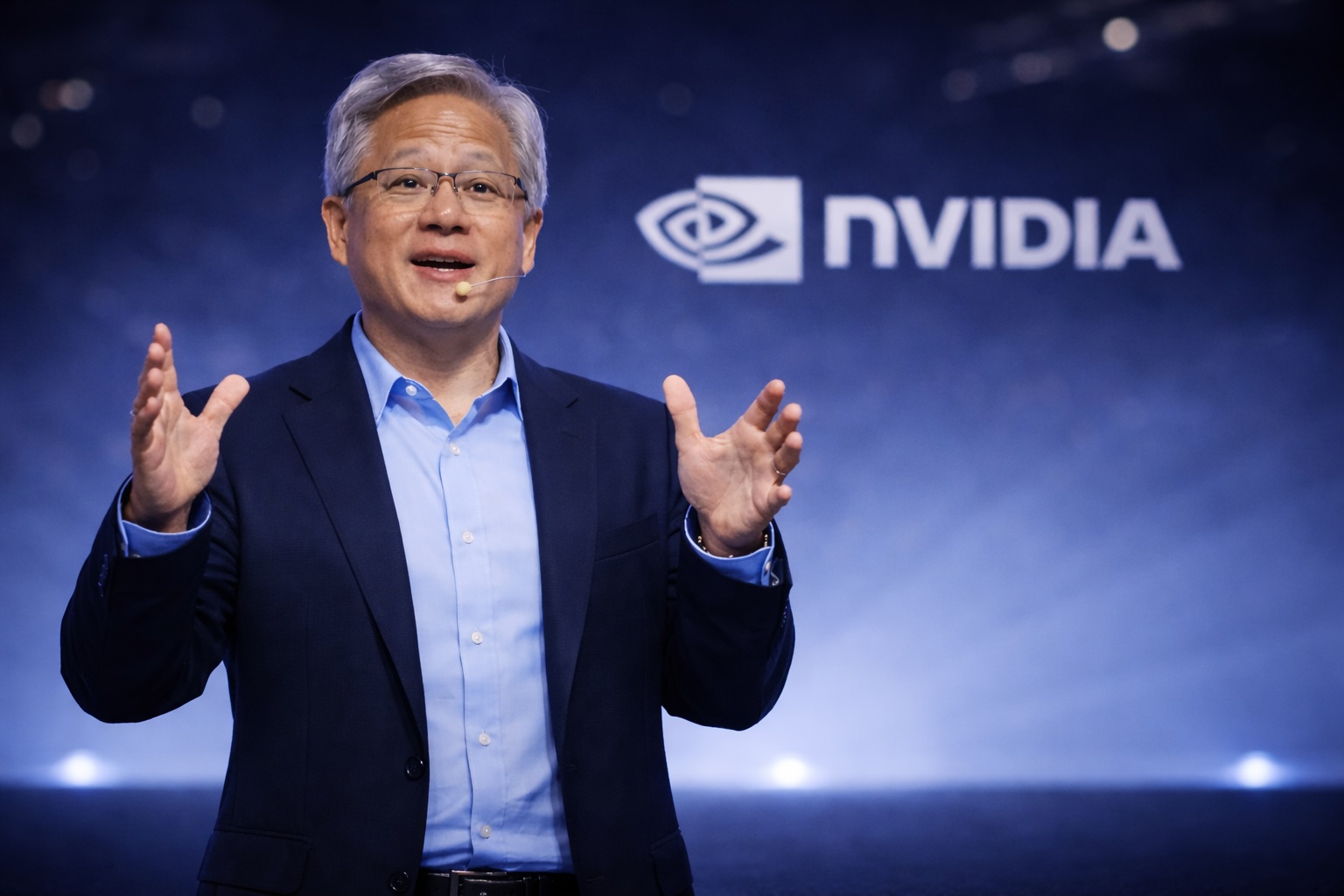
A major shift is occurring in the global artificial intelligence sector as Nvidia and OpenAI scale back their previously discussed $100 billion investment pact. They are now finalising a smaller, yet still substantial, $30 billion direct equity investment by Nvidia into OpenAI. This strategic pivot signals greater investor caution regarding soaring AI valuations and represents an evolution in how the world's leading AI companies finance their growth. The initial $100 billion multi-year deal, announced in September 2025, envisioned Nvidia investing incrementally in exchange for OpenAI committing to purchase vast quantities of its hardware, but this arrangement never moved past early, non-binding negotiations.
Strategic Pivot to $30 Billion Equity Stake
The focus has now shifted from a sprawling infrastructure partnership to a strategic equity stake. The planned $30 billion investment from Nvidia will be part of a much larger funding round, expected to raise over $100 billion in total for OpenAI, reportedly valuing the company at approximately $830 billion. This structure grants Nvidia a significant ownership stake, aligning its success with the broader achievements of the ChatGPT developer. While departing from the original compute-for-equity model, it is anticipated that a substantial portion of the new capital raised by OpenAI will still be dedicated to purchasing critical Nvidia hardware. Industry sources suggest negotiations are in the final stages.
Factors Driving the Change in Deal Structure
Several factors influenced the change from the initial $100 billion vision. The primary driver appears to be broad investor caution regarding the massive scale of long-term capital commitments, especially amidst market volatility and concerns over the sheer cost of AI infrastructure. Additionally, the revised plan aligns with OpenAI's expanding procurement strategy, which now includes a major partnership with AMD for computing capacity, signalling a move away from reliance on a single supplier. The intensifying competition from companies like Google, Meta Platforms, and Anthropic, which recently raised $30 billion itself, also highlights the fierce race for capital in the AI ecosystem.
Strategic Consequences for the AI Ecosystem
The recalibration of the deal carries major strategic consequences for the AI ecosystem. The direct equity investment reduces the pressure on OpenAI to tie capital deployment to specific infrastructure milestones, granting it greater flexibility in allocating funds for server expansion and specialised AI systems. Securing a major equity investment from Nvidia is also expected to bolster OpenAI’s valuation and enhance investor confidence, underscoring the high demand for exposure to the AI sector. For Nvidia, the shift is a pragmatic move to secure longer-term value from OpenAI while mitigating potential downside risk. OpenAI gains the flexibility to work with other chip and cloud manufacturers, with the $30 billion infusion fuelling continued investment in computing infrastructure, model research, and product development.
Global Implications, Especially for Healthcare
Finally, while the deal centres on US tech giants, its implications are global, particularly for the healthcare sector where AI models are increasingly vital for innovation. Changes in funding models and strategic partnerships could affect the pace at which these technologies integrate into health-tech ecosystems worldwide. UK AI developers and policymakers will be closely monitoring how these major infrastructure decisions influence access to cutting-edge computational resources, talent mobility, and regulatory oversight, all of which are crucial for the nation’s digital health ambitions.




.jpg)