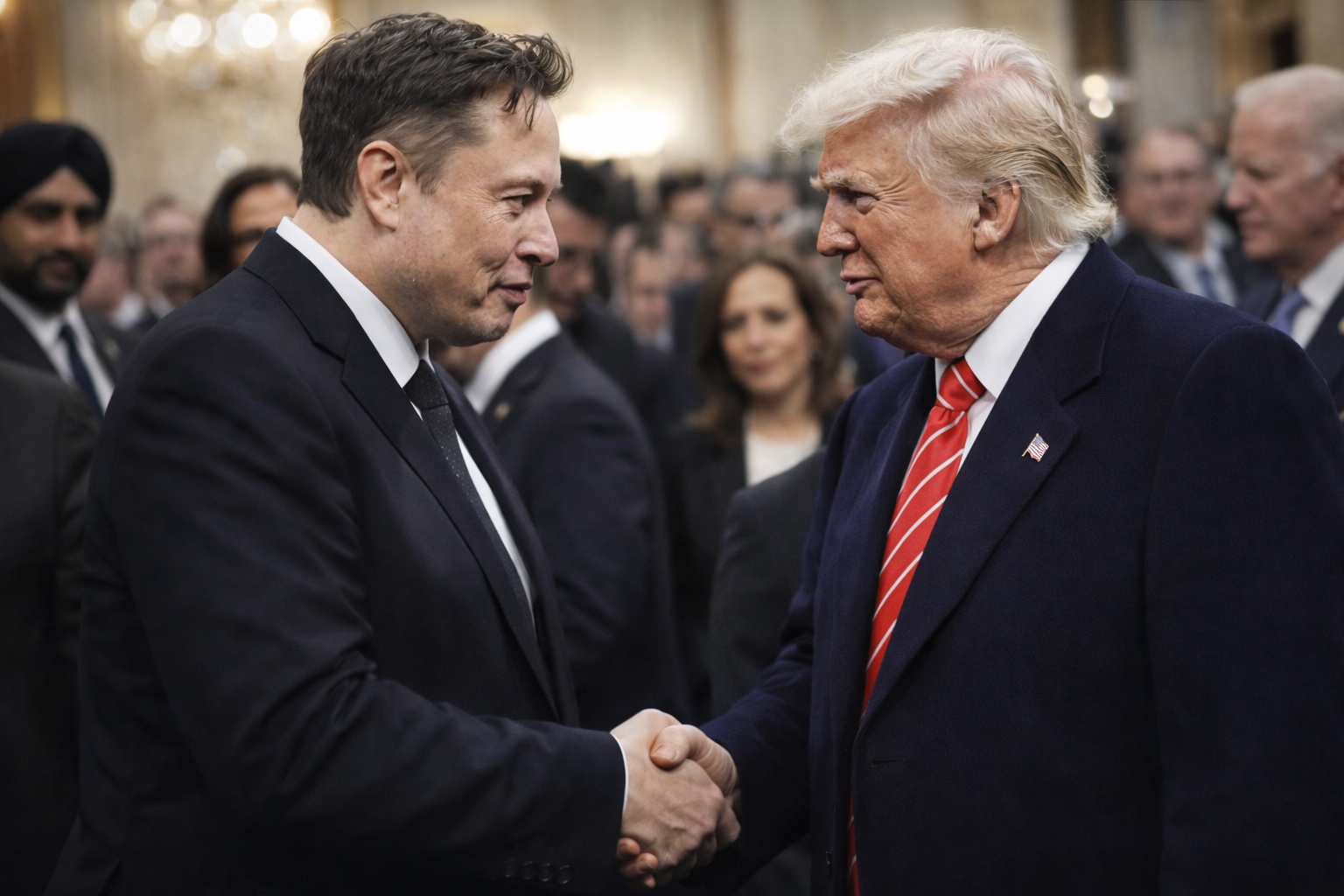
The Trump administration has launched the United States Tech Force, an ambitious initiative to modernise federal technology by recruiting top private-sector talent. This programme is a significant shift, focused on building an "elite corps" of technology specialists to modernise the federal government's digital infrastructure.
Program Scope and Structure
The US Tech Force aims to bring approximately 1,000 technology specialists into federal agencies on two-year contracts, with salaries ranging from $150,000 to $200,000. These roles—spanning software engineering, AI, data analytics, and cyber security—will involve working on mission-critical digital transformation projects across major departments, including State, Treasury, Health and Human Services, Homeland Security, and Defence. The specialists will focus on modernising legacy systems, building secure platforms, and designing AI tools, working closely with senior agency leaders. The initiative is a hybrid of public service and industry partnership, supported by the Office of Personnel Management (OPM). Major tech firms like Apple, Google, Microsoft, and Amazon have signalled support, viewing the programme as a potential career springboard for alumni into future private-sector roles.
Rationale for the Initiative
This initiative is a direct response to the acknowledged erosion of government technology capabilities, which have fallen significantly behind the private sector. Years of declining tech staffing and the elimination of specialised units have left agencies struggling. The creation of the Department of Government Efficiency in 2025 underscored this staffing shortfall, making the Tech Force a core component of a broader strategy to improve cyber security, manage data, and embed advanced technology into public services.
The Mentorship and Training Model
A critical element of the Tech Force is the training and mentorship pipeline drawn from private sector tech leaders. This approach is intended to rapidly introduce best practices and cutting-edge skills, helping to bridge the cultural gap between the fast-moving private sector and bureaucratic government structures. This model, which involves major tech companies as mentors and future employers, has precedents in earlier efforts like the United States Digital Corps.
Reactions and Concerns
The announcement has garnered mixed reactions. Proponents see it as a way to inject much-needed talent and modern skills to resolve backlogs and close cyber security gaps. Critics, however, worry about private-sector staff adapting to government culture, whether the short two-year terms are sufficient to solve deep-rooted problems, and potential conflicts of interest given the companies involved are also federal contractors. A major concern is that relying on external support may undermine long-term, in-house government capability building and fail to address fundamental issues like competitive pay and bureaucratic hurdles.
A New Strategic Priority
Unlike earlier efforts, such as the US Digital Service (USDS), which focused on service improvement, the Tech Force is framed as a strategic priority in global competition, specifically concerning AI and data infrastructure. This broader geo-political context of national security and economic competitiveness differentiates it from past programmes. The success of the US Tech Force will be closely monitored to see if the government can retain expertise, build lasting in-house capacity, and integrate private sector experience without introducing dependency, underscoring a growing consensus that technology and talent are defining factors in the effectiveness of modern government.


.jpg)

.jpg)