
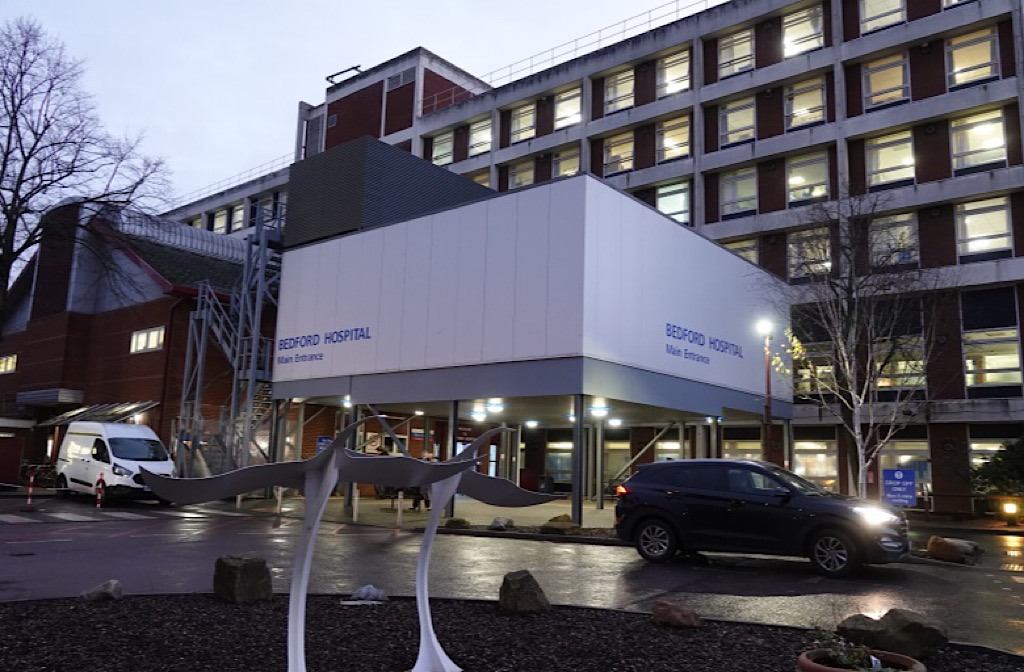
A maternity department in Bedfordshire, run by the Bedfordshire Hospitals NHS Foundation Trust, has received a second consecutive "inadequate" rating from the Care Quality Commission (CQC). The inspection in mid-2025, which covered services at Bedford Hospital and Luton and Dunstable University Hospital, revealed only limited improvement since a previous inadequate rating in 2023.
A key concern was the repeated disruption to services, particularly the elective caesarean section service for high-risk women who cannot labour. This crucial service was paused an alarming 32 times over a six-month period due to insufficient trained staff, significantly undermining women's choice, continuity of care, and birth planning certainty. This forced some pregnant women to seek alternative care at other hospitals.
Inspectors highlighted persistent safety and leadership failures, including low staffing levels that contributed to low morale and sickness absence amongst clinical staff. The maternity triage phone line was frequently understaffed, resulting in 451 of 2,097 calls being unanswered or abandoned due to excessive wait times, risking delayed assessment and intervention for women. Persistent breaches of regulation in safety and leadership were noted, including outdated clinical policies. The repeated pausing of elective caesareans, which are vital for clinically indicated high-risk pregnancies, risks avoidable complications and increases stress, anxiety, and health inequities for families.
The outcome in Bedfordshire reflects broader systemic pressures on UK maternity services, with widespread deficiencies in safety and quality noted nationally. Demographic shifts, rising maternal risk profiles, and severe workforce shortages are cited as contributing factors.
The Trust has apologised and stated that improvements are underway, including increased senior oversight in labour wards, expanded triage hours, and investment in staff training, wellbeing, and new facilities at Luton and Dunstable to enhance privacy and clinical workflow. However, the CQC found that progress remains "fragile," and women's choices are constrained. The frequent pauses to planned, high-risk procedures run counter to national ambitions to increase safe choice and personalised birth plans, as outlined in reviews like the Amos Review of maternity and neonatal services.
This example underscores the urgent need for concerted action across England to address midwife shortages, inconsistent clinical governance, and backlogs in incident management to ensure planned procedures are reliably available and to restore trust in maternity care.



.jpg)
.jpg)
.jpg)