
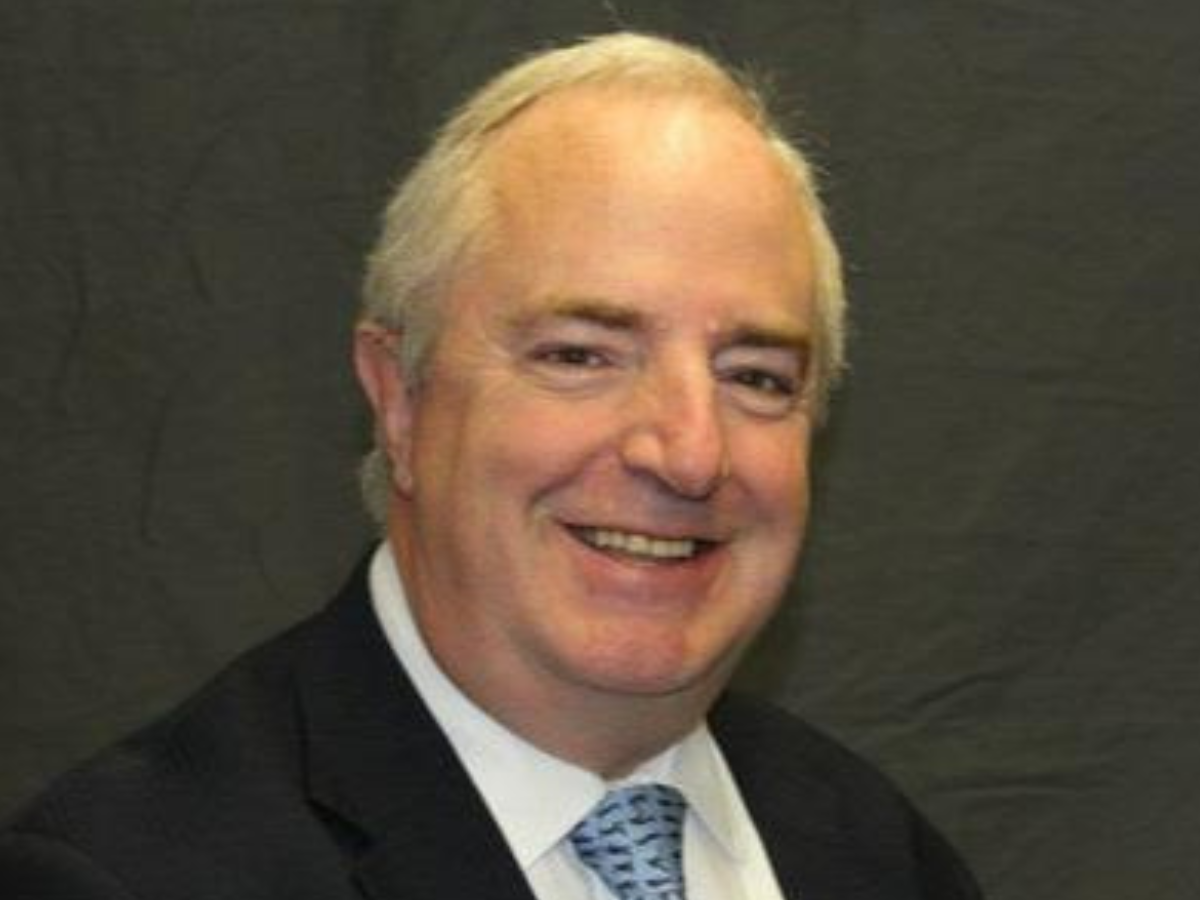
Ed Smith has been appointed as the first chair of the NHS Leadership College, the national institution established to develop and standardise leadership capability across the health service. The appointment brings together a career that spans three decades in professional services, senior NHS governance roles, and public sector oversight at departmental level.
Smith spent 30 years at PricewaterhouseCoopers, where he rose to Global Assurance Chief Operating Officer and Strategy Chairman. That career gave him direct experience of financial discipline, organisational turnaround, and the governance of large and complex institutions operating under significant external scrutiny. The analytical and commercial foundations of that background are distinct from those of most NHS leadership appointments, which have tended to draw on clinical or public administration careers rather than professional services.
His NHS experience is specific and directly relevant to the college's mandate. He served as chair of NHS Improvement, the body formed in 2016 from the merger of Monitor and the NHS Trust Development Authority, which was responsible for overseeing foundation trusts, NHS trusts, and independent providers. That role placed him at the centre of the regulatory relationship between the national oversight structure and the trusts most in need of intervention, giving him a detailed understanding of how governance failures develop at board level and what conditions are required to stabilise organisations in difficulty. He also serves as a non-executive director at NHS Property Services, maintaining a current connection to the operational complexities of the health estate.
Beyond the NHS, Smith has held the role of lead non-executive director for the Department for Transport between 2015 and 2017, providing experience of public-private infrastructure programmes and departmental governance at a level where political and commercial considerations intersect. He is Pro-Chancellor and Chairman of Council at the University of Birmingham, Treasurer of Chatham House, and Chairman of Caterham School, a portfolio that reflects sustained engagement with institutional governance across education, foreign policy research, and the charitable sector.
The NHS Leadership College was established in response to longstanding concerns about the consistency and quality of management across the health service. Leadership failures at trust level have featured prominently in a series of inquiry reports over the past decade, and the absence of a standardised development pathway for NHS managers has been identified repeatedly as a structural weakness. The college is intended to address that gap by establishing recognised qualifications, continuous development frameworks, and common standards for senior executives across trusts and integrated care boards.
Smith's background suggests a number of priorities are likely to shape his tenure. Financial literacy among NHS managers has been an area of concern for some time, and his PwC experience positions him to push for greater emphasis on budgeting, value-for-money assessment, and commercial awareness in the college's curriculum. The health service's current financial position, with a substantial proportion of trusts in deficit and integrated care systems managing significant funding pressures, makes that emphasis timely rather than theoretical.
Governance consistency across the system is a related priority. His experience at NHS Improvement gave him direct exposure to the variability in board capability across trusts, and the pattern of governance failures that have preceded regulatory interventions. A leadership college with the authority to set standards and assess capability has the potential to reduce that variability, though its effectiveness will depend on whether completion of its programmes becomes a genuine prerequisite for senior appointments rather than an optional development activity.
The relationship between clinical and administrative leadership within NHS organisations has been a persistent source of tension, and Smith's experience of working across both commercial and public sector governance gives him a perspective that is not exclusively rooted in either tradition. Programmes that improve the ability of clinical and operational leaders to work effectively together, rather than treating management as a separate function from care delivery, are consistent with the direction the college's founding rationale implies.
The appointment of a chair with Smith's particular combination of corporate governance expertise and NHS oversight experience reflects a deliberate choice about what the college is for. It is not primarily a clinical education institution. It is an organisation tasked with producing more capable, more accountable, and more financially literate NHS managers at a moment when the consequences of management failure are visible and the cost of leadership instability has been extensively documented.



.png)
.png)
.jpg)