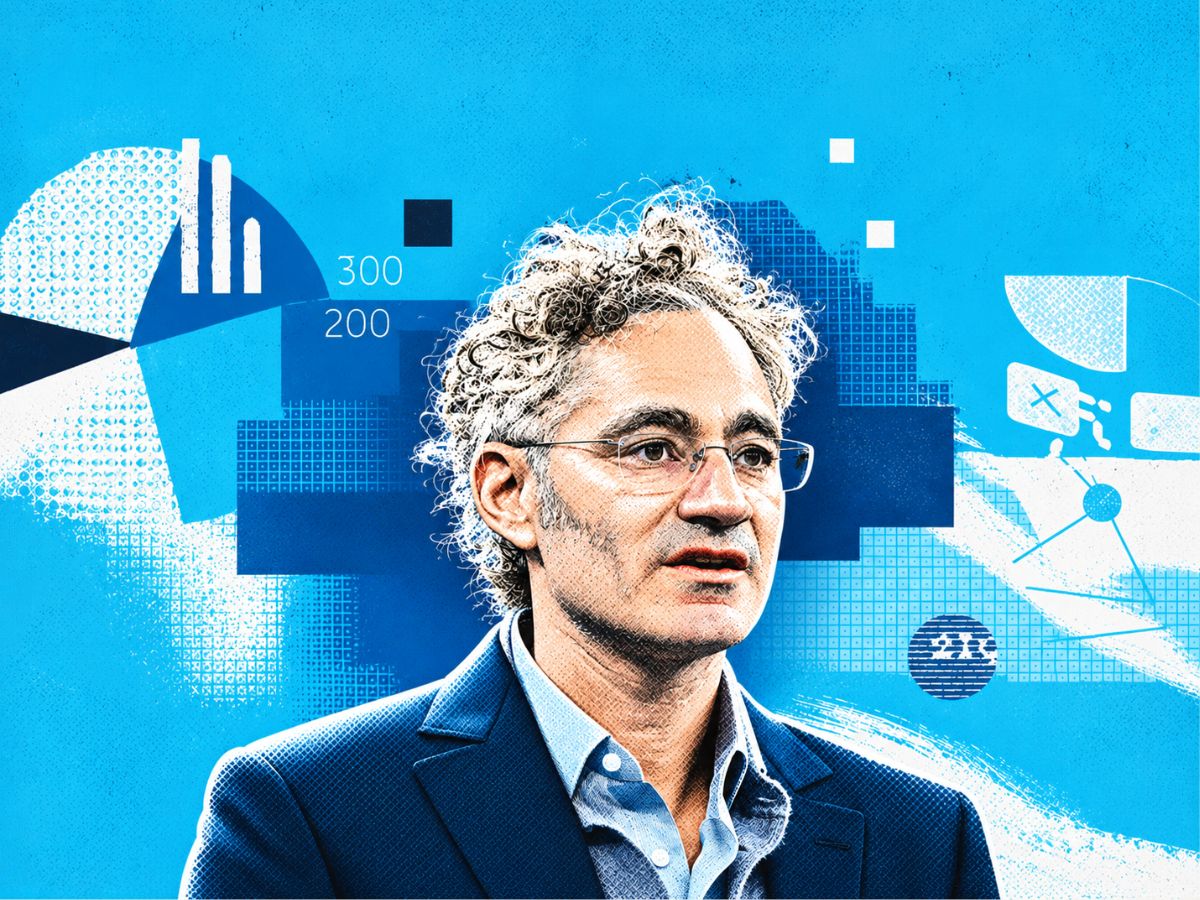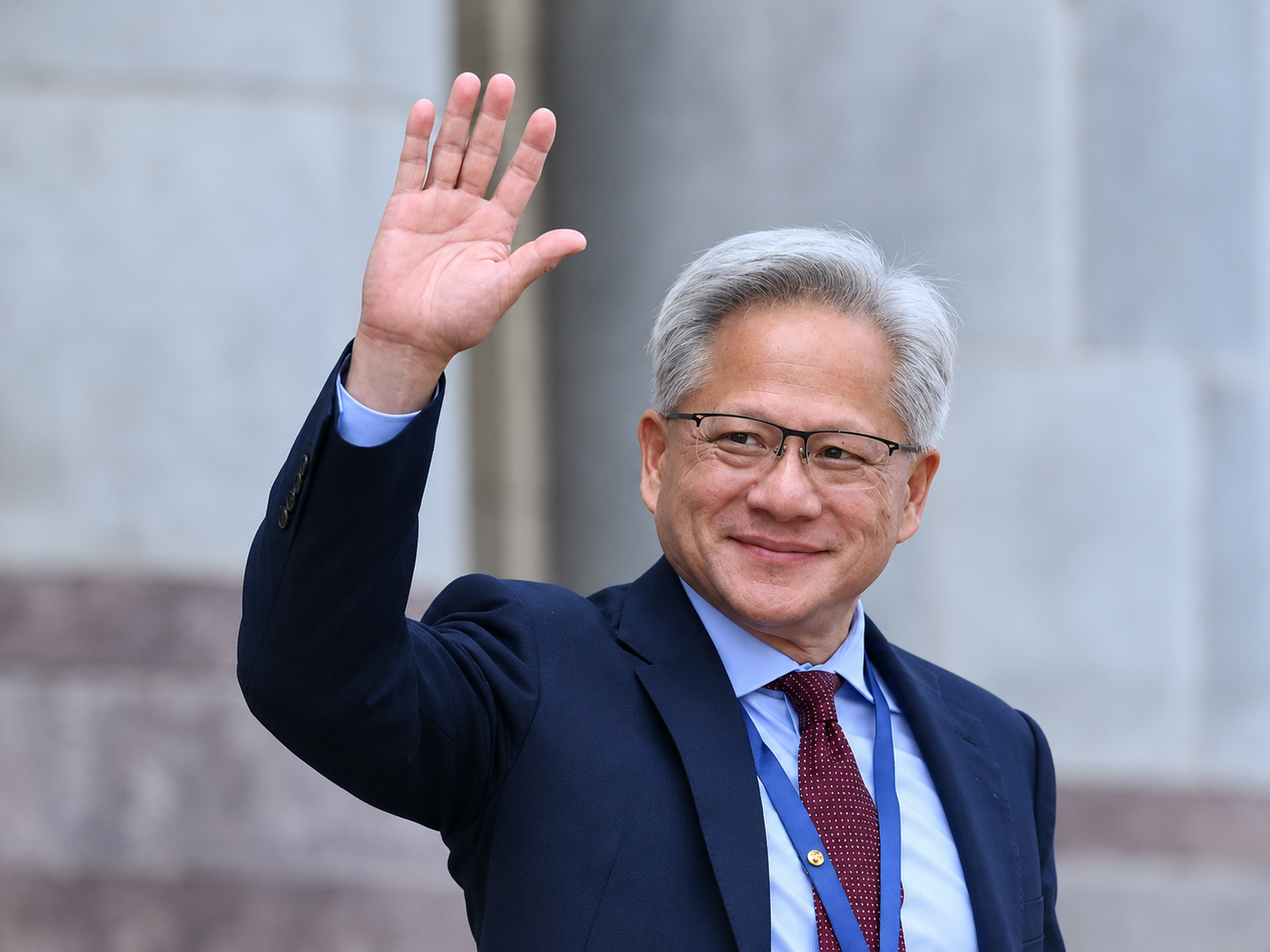
Shares in Nvidia fell sharply in Monday morning trading after chief executive Jensen Huang, 63, apologised to staff and family in an internal memo for an extramarital relationship. Market capitalisation dropped by an estimated $270bn to $395bn in a single session, among the largest one-day losses recorded by any listed company. Investors were reacting to more than the personal disclosure. US intelligence officials have reportedly linked the individual involved to China's Ministry of State Security, a claim that has not been tested in public.
The board has appointed outside counsel to conduct an independent review of executive communications and operational security. It said there was currently no evidence that proprietary secrets had been compromised. The White House has signalled support for Huang, who is expected to remain in post while the inquiry proceeds. Some congressional leaders have requested confidential briefings on possible supply chain vulnerabilities.
The individual concerned is described in counterintelligence assessments as an executive at a Singapore-based data centre company. That firm is already under review by federal trade authorities over allegations that it bought billions of dollars of high-performance computing hardware to help foreign entities sidestep US export restrictions. The personal episode therefore lands on an existing regulatory fault line around chip export controls and cloud arrangements involving overseas third parties.
For most British health executives, a Californian boardroom dispute sits a long way from the daily concerns of emergency department waits and elective backlogs. The connection is indirect, and it should not be overstated. It is also real, because the NHS and the wider UK life sciences sector are building their ambitions for artificial intelligence on infrastructure controlled by very few suppliers, of which Nvidia is the most prominent.
Government policy has leaned heavily on that dependency. Ministers have made compute capacity a pillar of the UK's AI strategy, and publicly funded supercomputing facilities in Britain run on Nvidia hardware. Drug discovery groups, genomics programmes and medical imaging developers across the UK rely on the same graphics processors, and on the software ecosystem that surrounds them. Within the NHS itself, AI is moving from pilot to procurement in areas such as diagnostic imaging, ambient clinical documentation and predictive scheduling. Most of those tools sit several layers above the silicon, but they ultimately depend on it.
That dependency has so far been treated as a technical matter rather than a governance one. The events in the United States suggest it deserves a place on risk registers. Concentration in one supplier means concentration of key-person risk, regulatory risk and geopolitical risk. A leadership crisis at a firm of this scale can move markets in hours. An export control tightening, or a US decision to restrict access to certain customers or cloud arrangements, could change availability and price for downstream users far more slowly and with far less warning.
The timing matters for the NHS because of the direction of national policy. The ten year health plan envisages a heavily digitised service, with AI-enabled tools expected to release clinical time and improve productivity in a system that remains under acute operational and financial pressure. Trusts are being asked to find efficiencies while waiting lists remain stubbornly high and workforce morale is fragile. Technology is being asked to do a great deal of that work. If the price or availability of underlying compute shifts, the business cases that persuaded finance directors to commit capital become less reliable.
Data governance forms the second line of exposure. The NHS holds one of the largest longitudinal patient datasets in the world, and the political settlement around its use remains delicate. Public trust in how health data is handled has been tested repeatedly, most recently in debates over the federated data platform and its American contractor. Any suggestion that the supply chain behind health AI could be subject to foreign intelligence interest, however remote in practice, will be used by critics to argue for tighter limits. The board's own finding that no proprietary information appears to have been compromised is reassuring, but it concerns Nvidia's trade secrets and says nothing about downstream users of its products.
It would be wrong to infer that NHS systems are at risk of compromise because of a chief executive's personal conduct. Nothing in the available reporting supports that. The more defensible reading is structural. Public bodies that buy AI services have limited visibility of the hardware layer, and procurement frameworks were designed around software and service contracts rather than around semiconductor supply chains and export regimes. Few NHS trusts have the commercial capacity to assess that kind of exposure, and few central teams have been asked to.
Practical steps are available and relatively modest. NHS England and the Department of Health and Social Care could require suppliers of AI products to disclose their principal compute dependencies and any contingency arrangements. Integrated care boards weighing multi-year AI contracts could ask for clear exit and portability terms. Government could use its existing sovereign compute programmes to diversify hardware sourcing where credible alternatives exist, accepting that these remain immature. Health-tech and life sciences companies, for their part, should expect investors and customers to ask sharper questions about where their processing capacity comes from and how resilient the arrangement is.
There is a political dimension that ministers will recognise. A government that has staked much of its reform narrative on technology-enabled productivity gains cannot afford to be seen as indifferent to the fragility of the technology's foundations. The episode also arrives as the UK navigates a close relationship with Washington on AI and life sciences while managing public sensitivities around data and foreign involvement in public services.
The allegations against Huang remain unproven, the board's review is at an early stage, and the personal and corporate questions should be kept apart from any assumption of wrongdoing at a national level. What the episode does establish is that the market, regulators and politicians now treat the semiconductor supply chain as a matter of state interest. The NHS is increasingly a customer of that chain. Its leaders would be wise to treat it accordingly.