
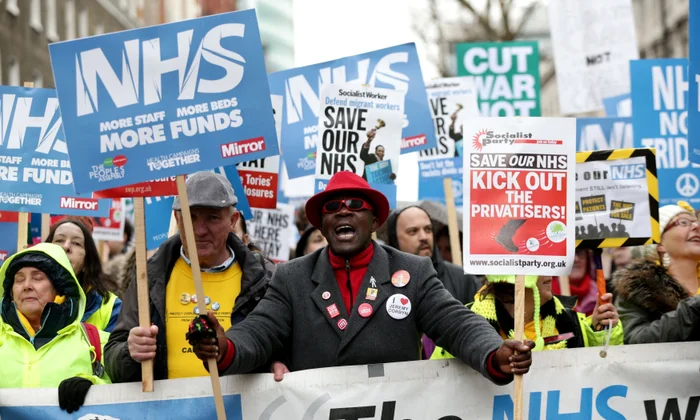
Travelling across Britain exposes stark differences in health and lifestyle, revealing how deeply the place continues to shape people’s wellbeing and opportunities for a healthy life. A person’s postcode still determines both their life expectancy and the number of years they can expect to live in good health. Recent national data and independent reviews indicate that these geographic inequalities continue to fester and grow over time.
A Widening Divide: Social and Economic Inequality Is Reshaping Britain’s Health Outcomes
The data tells a clear story. According to Office for National Statistics (ONS) local estimates for 2021–23, life expectancy and healthy life expectancy (HLE) vary sharply between local authorities. People in the most deprived areas live shorter lives and spend far fewer years in good health compared with those in the most affluent communities. Healthy life expectancy in England is now estimated at about 61–62 years, but that figure varies widely by place and level of deprivation.
Alarmingly, the steady rise in life expectancy that Britain experienced for decades has largely stalled since 2012, and among the most disadvantaged groups, it has begun to decline. The Marmot 10-year review and other studies point to deteriorating social conditions as key drivers of widening health inequality. Growing poverty, unstable employment, housing insecurity and reductions in local services have together deepened disparities and extended the time many people spend in ill health.
So why do place gaps persist?
A complex mix of forces continues to drive this divide, including low income and food insecurity, substandard housing that harms physical and mental health, unstable local labour markets offering insecure, low-paid jobs, and unequal access to public health and primary care services. Local authority spending power and public health resourcing have also diverged, leaving some areas less able to invest in the upstream measures that protect health.
Closing the gap depends on policies that strengthen the social conditions shaping health, including fair income, stable housing and secure employment, together with genuine reform of the healthcare system. Addressing this challenge demands targeted efforts to reduce poverty, strengthen social safety nets, expand access to affordable housing, guarantee paid sick leave and invest more in prevention and community services. Any credible national strategy must prioritise linking these social policies with health system planning to narrow the healthy life expectancy gap and extend the years people live in good health.
The politics are hard, and the fixes are long-term. However, the moral and economic case is clear: reducing place-based health inequality would not only save lives but also reduce long-term demand on the NHS. If Britain wants a fairer health service and a healthier population, it must stop treating geography as destiny and start treating place as policy.



.jpg)
.jpg)
.jpg)