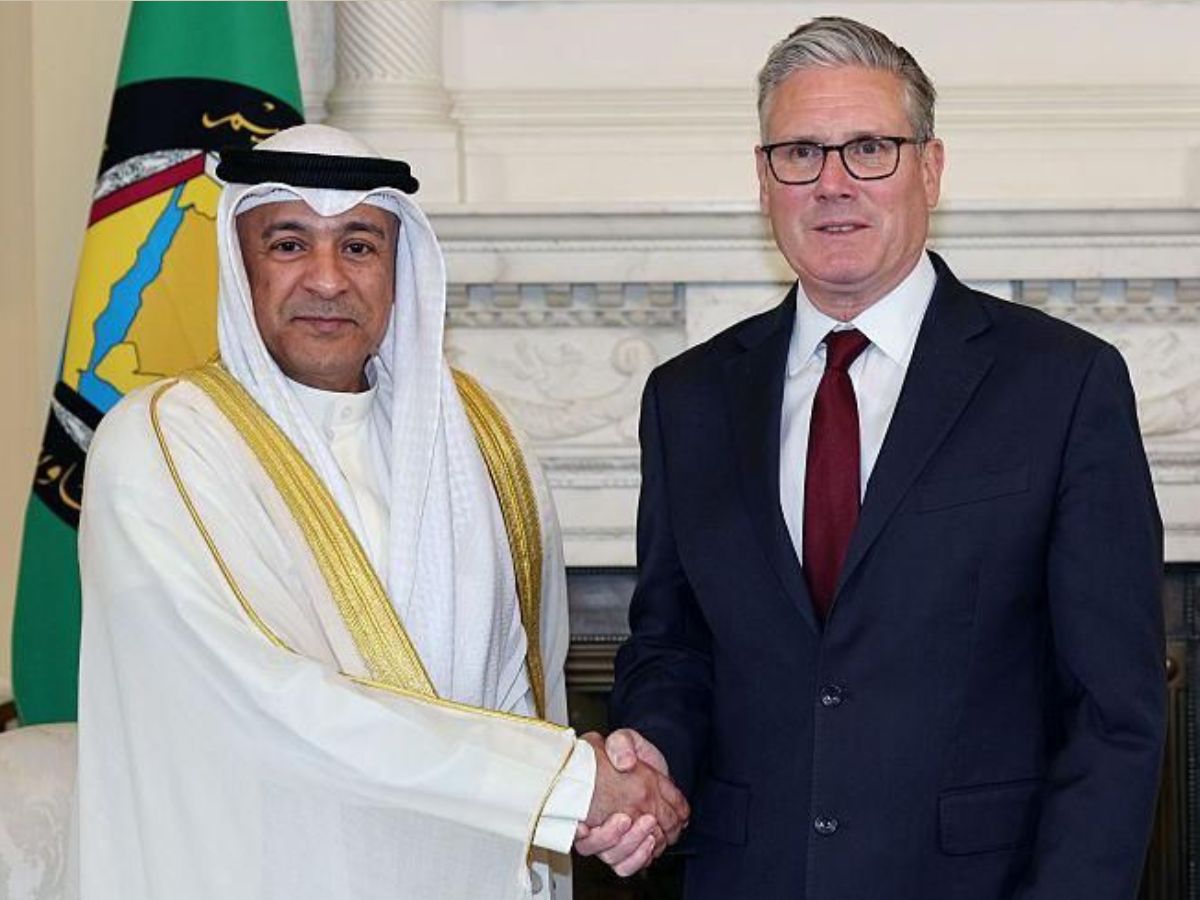
Britain has signed a trade deal with the Gulf Co-operation Council, a bloc of six states including Saudi Arabia, the UAE, Qatar, Bahrain, Kuwait and Oman. The government estimates the agreement will add £3.7bn to the economy and remove approximately £580m a year in tariffs on British exports once fully implemented.
The deal is the third completed under Sir Keir Starmer's government, following earlier agreements with India and South Korea. It is also the first trade deal struck between any G7 nation and the GCC, a distinction the government was quick to highlight alongside its recently concluded arrangements with the United States and the European Union.
Sir Keir described the agreement as a "huge win" for British workers and businesses, saying working people would "feel the benefits in the years ahead through higher wages and more opportunities." Business and Trade Secretary Peter Kyle said the announcement offered exporters "the certainty they need to plan ahead" at a time of global economic instability. Chancellor Rachel Reeves called it "proof we are backing British firms to compete and win globally."
The practical benefits for British exporters include the removal of tariffs on everyday goods. Cheddar cheese, butter and chocolate are among the products that will gain cheaper access to Gulf markets under the new terms. The government also said the deal would make it easier for British firms to establish partnerships and expand operations across the region.
Chris Southworth, secretary general of the International Chamber of Commerce UK, welcomed the agreement. He said it secured guaranteed market access, improved data flows and greater commercial mobility, adding that it was "excellent news for the UK economy."
Not everyone shares that assessment. The Trade Justice Movement said the deal "poses serious risks to human rights, labour protections, and climate action." The group pointed to the GCC states' records on press freedom, use of the death penalty and their status as major producers of greenhouse gas emissions through oil industries. In a statement issued this week, the organisation said the agreement "locks the UK into deeper commercial ties with some of the most repressive governments in the world, for economic gains so marginal they barely register."
Southworth rejected the framing. He argued that trade agreements are not the right mechanism for addressing human rights concerns, and that increased commercial interdependence builds longer-term influence. "The more we trade, the more peaceful the relationship is," he said. The government has not publicly addressed the specific criticisms raised by rights groups, and the deal contains no explicit human rights or labour protection clauses that campaigners had called for.
The Conservatives, who initiated negotiations with the GCC while in office, welcomed the outcome but used it to take aim at the government's broader trade posture. Senior figures said the deal represented "another major Brexit opportunity" and accused Labour of risking such gains through what they characterised as an overly accommodating stance toward the European Union.
The GCC collectively represents one of the wealthier trading blocs in the world, with significant sovereign wealth and infrastructure investment programmes. British financial services, legal firms and construction companies have long operated across the region. The removal of goods tariffs extends a commercial relationship that already runs deep, though critics argue the terms of that relationship have rarely been subject to sufficient scrutiny.
The deal must still go through the formal ratification process before it takes effect. The timeline for full implementation, and with it the complete removal of the £580m in annual tariffs, has not been specified by the government.


.jpg)
.jpg)