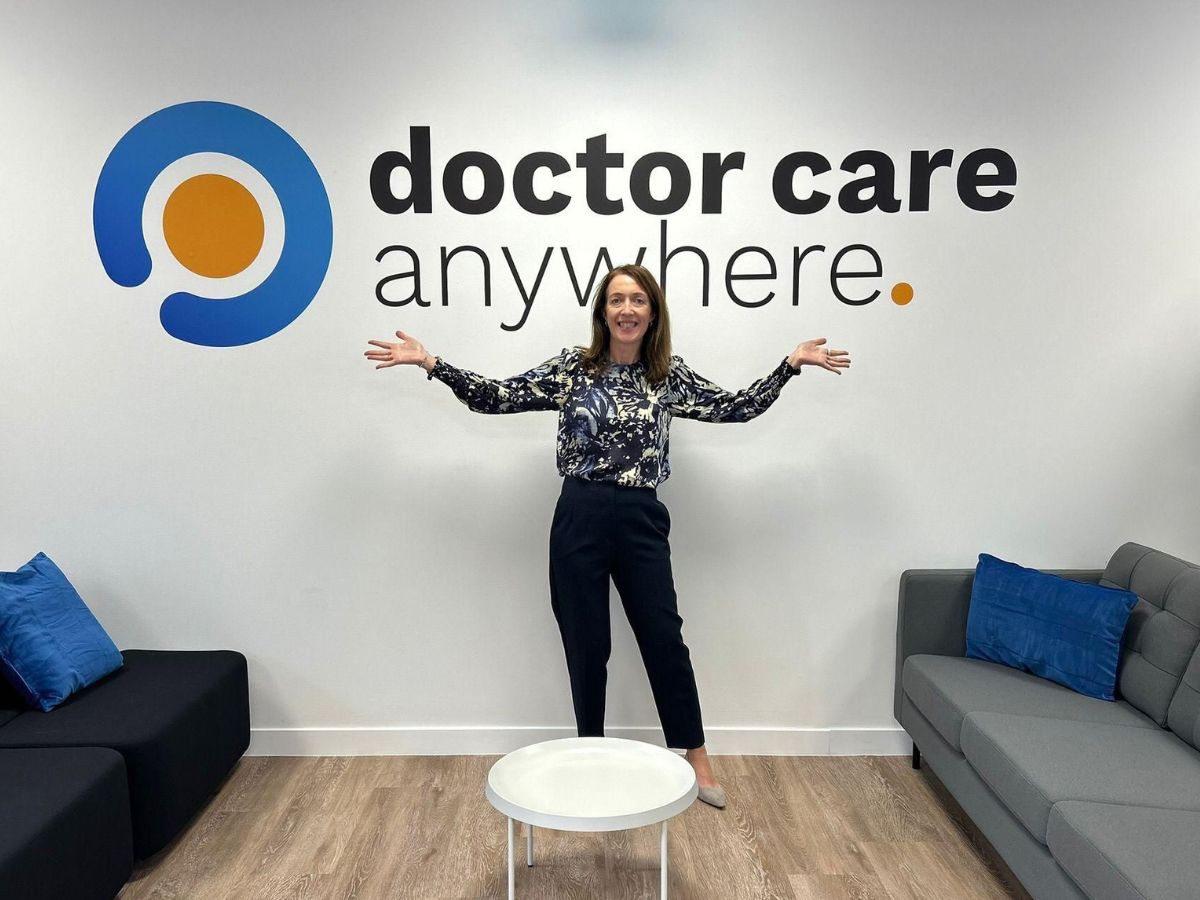
Doctor Care Anywhere has acquired Outcome Diagnostics Limited and Medic Spot Limited for £850,000, with plans to use both companies to expand its GLP-1 weight management offer and cross-sell services to its existing client base in the UK.
The company said the acquisition gives it an immediate foothold in the UK weight management market and a direct-to-consumer platform it intends to scale. Outcome Diagnostics, whose 11-person team Doctor Care Anywhere singled out for strong performance in weight management, will form the basis of those expanded capabilities. The company described the deal as an important step in its growth plan, offering not only access to an established consumer-facing operation but also the infrastructure to extend that reach across its broader service portfolio.
Laura O'Riordan, chief executive of Doctor Care Anywhere, said the two teams were "excited by the opportunity to grow faster by collaborating" and that the coming months would focus on integration and customer growth. Doctor Care Anywhere said the deal would accelerate its offering across virtual GP services, mental health, physiotherapy, and assessment products, with cross-selling to existing clients a stated priority. The company has not disclosed financial projections tied to the acquisition, though its stated rationale is as much about capability as it is about revenue diversification.
GLP-1 receptor agonists, the class of drugs underlying much of the current commercial interest in weight management, have driven significant activity across the health sector over the past two years. Demand for these treatments has outpaced NHS capacity in many areas, pushing a growing number of patients toward private providers. Doctor Care Anywhere's move into this space through acquisition rather than organic development suggests it is prioritising speed to market.
The acquisition is part of a broader period of consolidation and investment in UK digital health, with several significant deals completed in recent months.
Liverpool-based Spotlight Pathology secured £1.4 million in seed funding earlier this year to advance AI-powered diagnostics software designed to identify blood cancers through analysis of digital pathology images. The round was co-led by the UK Innovation and Science Seed Fund and Liverpool City Region Seed Fund, with capital directed at product development, regulation, and clinical adoption.
NHS England awarded a contract worth up to £160 million to IBM in April, appointing the technology company as a strategic delivery partner for the development of the NHS App. The contract, which runs from May 2026 to March 2028, followed a competitive procurement process. NHS England described the appointment as part of its effort to develop secure and user-centred services at scale.
European digital health company Doctolib announced a commitment of more than £100 million into UK primary care provider Medicus, alongside plans to hire 150 staff and open a research and development centre in London. Doctolib said the investment would build on Medicus's existing understanding of NHS primary care while introducing AI capabilities already used by more than 40,000 GPs across Europe.
Taken together, the activity reflects sustained appetite for investment in digital primary care, diagnostics, and AI-assisted services across the UK health sector. The pace of deals also points to increasing confidence among investors that digital health services can operate profitably alongside, and in some cases in place of, traditional NHS provision, particularly where waiting times and capacity constraints have left gaps in patient access.
For Doctor Care Anywhere, the £850,000 acquisition is a comparatively modest outlay relative to the deals announced by Doctolib and IBM. Whether it delivers the cross-selling gains the company has outlined will depend on how effectively the combined teams are integrated. O'Riordan acknowledged as much, noting that execution over the coming months would be the determining factor. The weight management market, and the broader shift toward direct-to-consumer digital health, will offer no shortage of competition against which that execution will be measured.


.jpg)