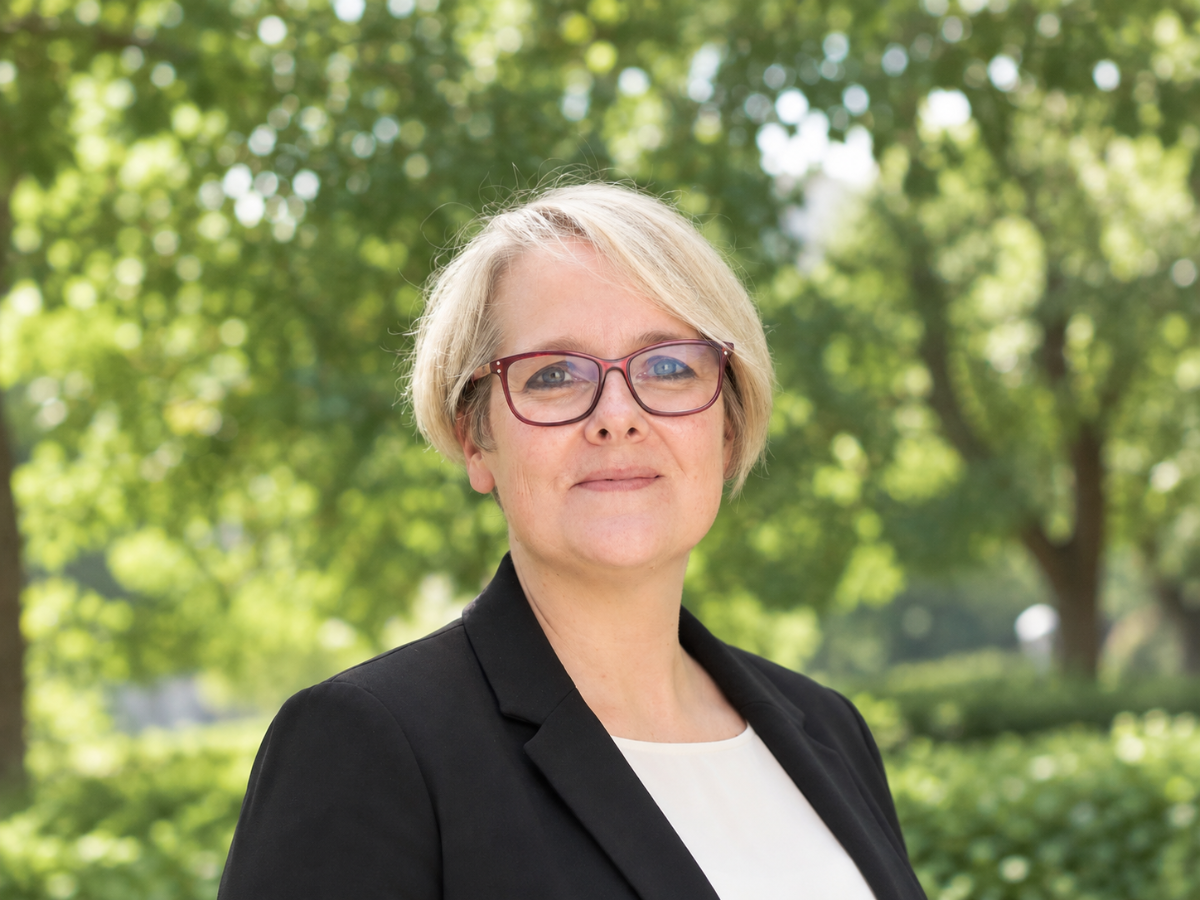
Dr Michael Holland, The Chief Executive Officer (CEO) of Oxford Health NHS Foundation Trust
A young person arrives at an early intervention service after a first episode of psychosis. Weeks earlier they may have begun hearing voices, or become certain of something nobody around them could share. In many services what follows is a sequence of separate appointments: an interview here, a scan requested there, cognitive testing at some later date, each with its own wait and its own letter. Treatment starts while the clinical picture is still being assembled.
Oxford Health NHS Foundation Trust has begun testing an alternative. Its Baseline Biomarker Check clinic, the first of its kind in the UK, operates from the Warneford Hospital site and offers people in the early intervention service a single enhanced assessment. A structured clinical interview, an MRI brain scan, tests of thinking and memory, and a physical and neurological examination all take place within one appointment. Wellcome and the NIHR Oxford Health Biomedical Research Centre provide the funding, and the clinic has completed its first full pilot.
The clinical problem is a stubborn one. Psychosis has many underlying causes, and the research programme behind the clinic also aims to improve early identification of cases where a physical or neurological condition lies behind the symptoms. Around one in three people started on antipsychotic medication do not respond to first-line treatment, and clinicians cannot yet say in advance who they will be. Each unsuccessful course means further weeks of illness at an age when people are finishing degrees, starting work or beginning families. Dr Graham Blackman, the consultant psychiatrist who leads the clinic, has said that the most rewarding research is the kind that changes what happens in the clinic, and the design follows that principle. Patients are reassessed around six weeks later to see how they are responding, while optional extended imaging and additional samples let researchers look for biological markers that might predict that response.
This dual mandate gives the clinic significance beyond Oxfordshire. The NHS has long found it hard to turn research into routine practice, and mental health has often come late in the queue when diagnostic capacity is allocated. Capital for community diagnostic centres has gone mainly to physical conditions. An MRI offered at first presentation of psychosis sits outside that pattern, yet the economic logic is easy to state. If early scanning changes a diagnosis or a treatment choice, the savings appear downstream in avoided admissions, shorter illness and fewer lost years of education and employment.
That remains a hypothesis, and the clinic is placed to test it. Adoption elsewhere will turn on whether the data show better diagnostic precision at a defensible cost per patient. Trust finance directors and integrated care boards will not commission a service on clinical appeal alone. They will want to know how many scans are needed, how much clinician time is saved by consolidating appointments, how often findings alter management, and how long follow-up must run before any economic return becomes visible. Collecting that information from the first patient costs far less than reconstructing it later. Oxford, where academic psychiatry and NHS delivery share a site, has a better chance than most of doing so.
Practical constraints deserve an early hearing. MRI capacity is contested in every region, radiology workforce shortages are well documented, and early intervention teams already carry demanding caseloads. A model that works beside a dedicated brain imaging centre may need adaptation elsewhere, and commissioners would be wise to ask now what a version built around regional imaging hubs would cost. These are the questions of a service that sees promise in the idea.
Mental health policy rarely offers decision-makers a prospective chance to learn whether fuller diagnosis at the start of care pays for itself. Oxford has built the conditions for that learning. If the evidence arrives in a form finance directors can use, the single appointment has a credible claim to become a national template. Without it, a good idea is likely to stay where it began.