
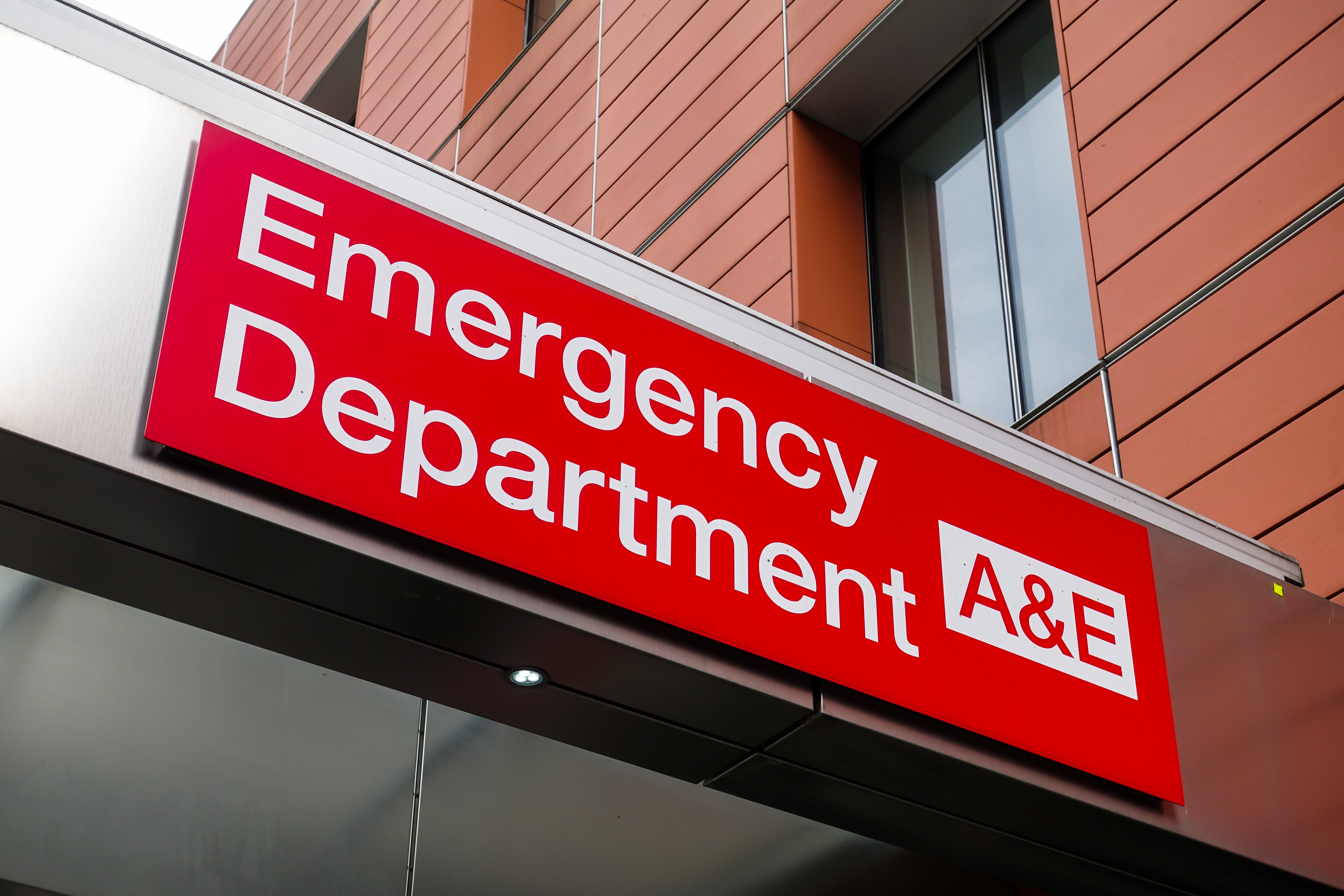
The National Health Service (NHS) in England experienced its worst-ever performance in emergency care in January 2026, according to alarming new data from NHS England. These figures paint a stark picture of a health service buckling under unprecedented pressure, navigating what has been described as the "busiest winter on record." The record-breaking delays in emergency departments underscore deep-seated capacity and structural issues that are increasingly compromising patient safety and quality of care.
The most damning statistic reveals a staggering 71,517 patients who endured a wait of over 12 hours from the moment a decision was made to admit them until they were finally transferred to a ward. This figure is the highest recorded since data collection for this metric began, highlighting a profound bottleneck in patient flow within hospitals. Furthermore, an even larger cohort of 161,141 patients faced substantial delays of over four hours for the same transfer process—marking the second-highest delay ever recorded. These prolonged waits are not merely administrative failures; they represent hours of discomfort, uncertainty, and often deterioration for vulnerable patients, many of whom are forced to wait in corridors or temporary holding areas due to a lack of available beds.
The overall performance target for Accident & Emergency (A&E) departments was missed by a significant margin. Only about 72.5 per cent of patients were admitted, transferred, or discharged within the four-hour target. This falls substantially short of the aspirational goal of 78 per cent set by the NHS for March 2026, indicating the immense operational chasm that the service currently faces.
Relentless Demand and Seasonal Illnesses Overwhelm Urgent Care
The primary driver behind this surge in long waits is relentless and escalating demand. A&E attendance in January exceeded 2.3 million visits, representing a 4.6 per cent increase compared to the same month last year. NHS England attributes the "exceptional operational challenges" to a confluence of factors that collectively stretched urgent care to its breaking point.
Severe winter weather conditions inevitably increase the number of accidents and cold-related illnesses requiring emergency intervention. Simultaneously, the widespread circulation of seasonal viruses, particularly influenza (flu) and norovirus, has been a major contributor to the crisis. These viruses not only drive up admissions—often for the frailest patients—but also extend patient stays and cause staff absenteeism, further eroding the system’s already diminished capacity. The sheer volume and complexity of emergency visits have created a constant state of overwhelming demand, making it virtually impossible for departments to maintain efficient patient flow.
The human cost of these prolonged waits is undeniable and severe. Research consistently links extended delays in emergency departments to poorer clinical outcomes, increased patient distress, and a higher risk of harm, particularly among older people and those with complex chronic conditions. The Royal College of Nursing (RCN) has trenchantly described the record delays as incontrovertible evidence of "endemic 'corridor care.'" This term refers to the unacceptable practice of treating patients in non-clinical areas, such as hallways, due to the critical lack of available beds and space—a stark symbol of a health system operating beyond its safe limits.
A Crisis Rooted in Structural Deficiencies
While seasonal pressures provide the immediate trigger, the deeper roots of the emergency care crisis lie in persistent structural issues and systemic capacity shortfalls. The NHS is struggling with record demand that has decisively outpaced the system’s ability to expand and adapt.
A major bottleneck is the critical shortage of hospital beds. This deficit is often not because of a lack of physical beds, but rather an inability to free up existing beds due to the complex issue of delayed discharges. Patients who are medically fit to leave the hospital—known as 'medically fit for discharge'—often remain in their beds for days or even weeks because the necessary social or community care placements are unavailable. This logjam, known as "bed blocking," critically prevents the swift transfer of new emergency admissions from A&E to wards, directly contributing to the 12-hour corridor waits.
Compounding the capacity problem are chronic workforce shortages across key areas, including nursing and emergency medicine. A depleted and overstretched workforce simply cannot manage peak demand effectively. This issue is exacerbated when high rates of seasonal illnesses like flu and norovirus affect staff themselves, leading to higher absenteeism and further stressing the remaining personnel. The lack of adequate staffing undermines the ability to not only treat patients but also to manage the patient flow process efficiently, leading to compounding delays throughout the hospital system.
A Paradox of Progress in Elective Care
In a troubling contrast to the collapse in emergency performance, the NHS has reported a degree of progress in the area of elective (planned) care. The overall waiting list for planned treatment—which includes procedures like hip replacements and cataract surgery—fell to approximately 7.29 million in December 2025. This figure represents the lowest level since early 2023, offering a small sign that targeted interventions are yielding results. This progress is attributed to strategic efforts, including the expansion of diagnostic services, the creation of surgical hubs, and the implementation of innovative delivery models designed to reduce the backlog created by the pandemic.
However, this relative success in elective care highlights a disturbing paradox. While organisational improvements have benefited planned treatment, the urgent and emergency services have fundamentally buckled under the sustained volume growth. This contrast starkly reveals deep-seated and siloed challenges: the health and care system is capable of targeted efficiency gains, yet the foundational pillars of urgent care and patient flow remain critically vulnerable, often absorbing the pressures and failures from across the entire health and social care continuum.
Calls for Long-Term Solutions and Accountability
Health Secretary Wes Streeting acknowledged the "unprecedented pressure" and extended praise to the tireless efforts of NHS staff. Nevertheless, critics argue that citing positive elective metrics serves to obscure the full extent of the catastrophic crisis unfolding in emergency departments.
Professional bodies are united in their call for systemic change. The Royal College of Physicians (RCP) insists that the record long waits are not an anomaly but a demonstration of persistent, structural capacity shortfalls. They are urgently advocating for substantial, long-term investment specifically directed at emergency and community care infrastructure to alleviate the pressure on hospitals. Furthermore, groups like the RCP are demanding greater transparency, urging the government to begin publishing national figures on "corridor care" to accurately reflect the true, grim reality of patient experience.
The performance breakdown in emergency care is a critical signal that the immediate focus must shift from simply managing backlogs to fundamentally rebuilding resilience and capacity across the entire health and social care ecosystem. Without decisive action and sustained investment, the NHS risks normalising a standard of emergency care that is both unsafe and unacceptable.



.jpg)
.jpg)
.jpg)