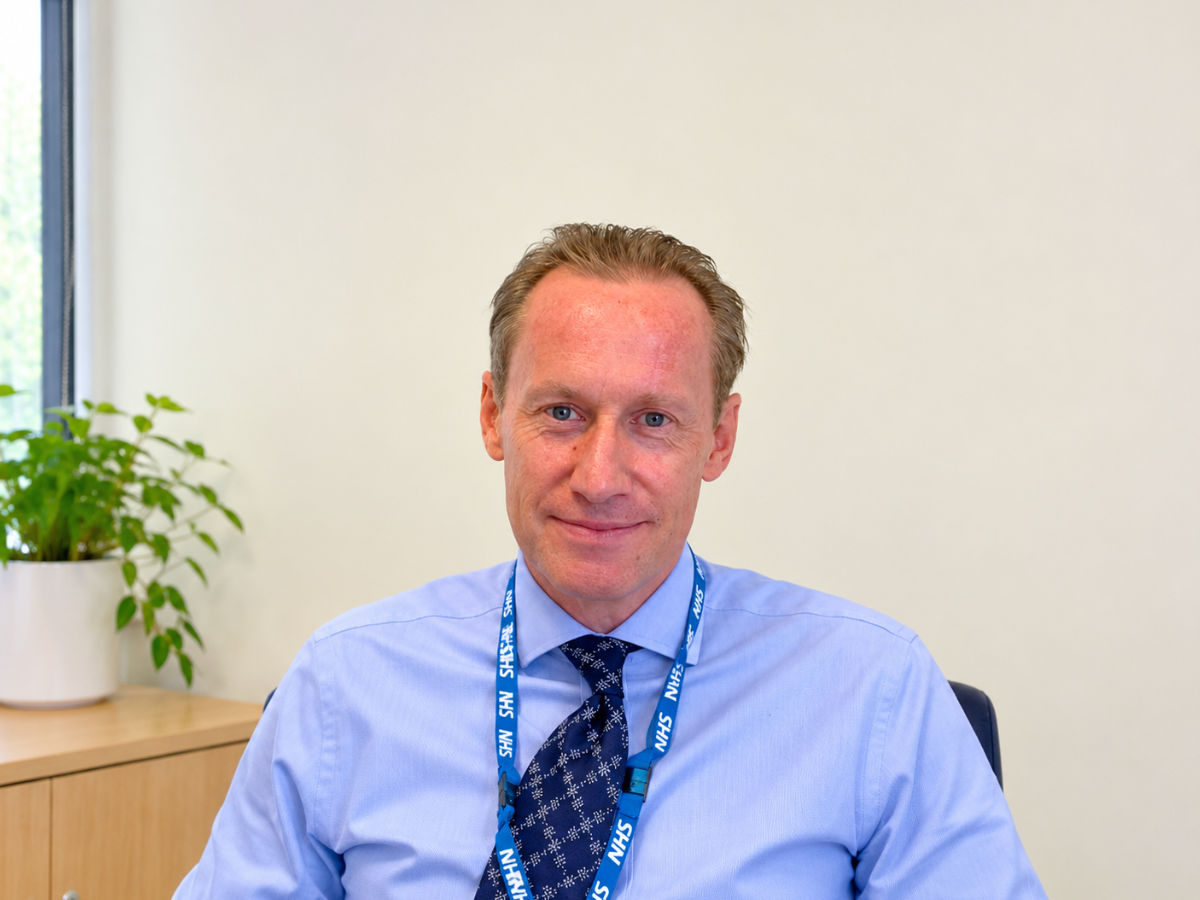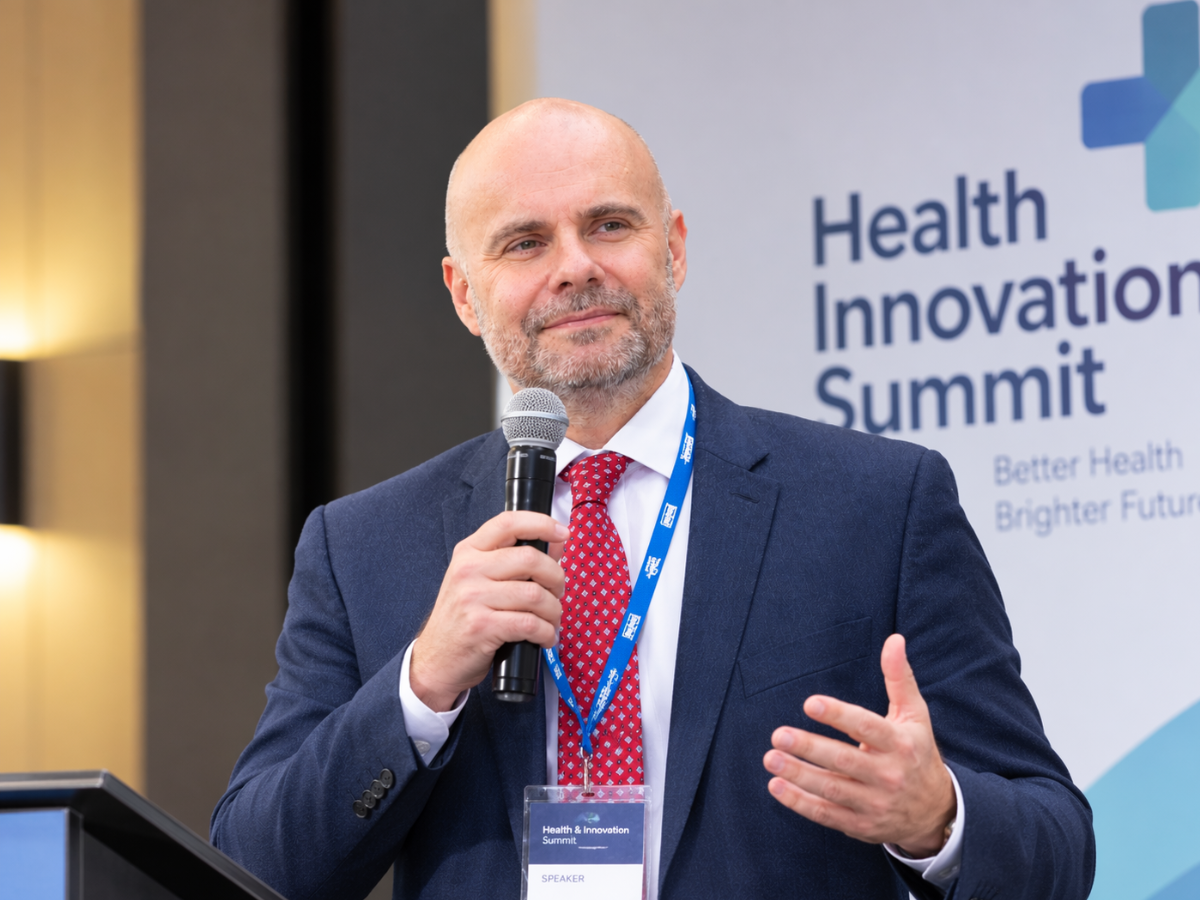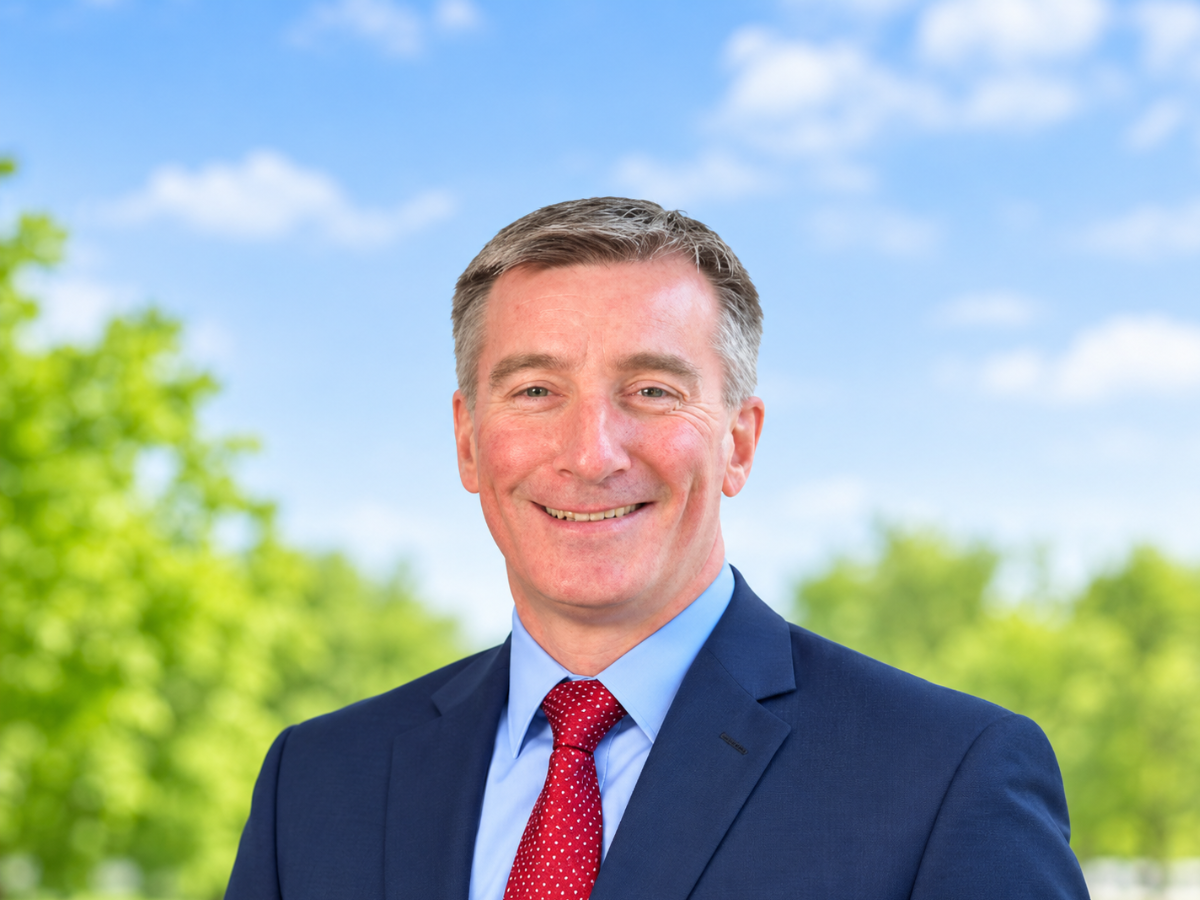
Andrew Bertram, Finance Director And Deputy Chief Executive, York And Scarborough Nhs Trust.
York and Scarborough Teaching Hospitals NHS Foundation Trust, which runs hospitals in York, Scarborough, Bridlington and Malton, has applied to NHS England for an £8 million financial support package after recording an adjusted deficit of £18.4 million at the midpoint of the financial year. The result is £9.2 million behind the trust's financial plan. Because the plan allowed for a deficit of £9.2 million at this stage, the actual position is twice the figure budgeted. The application is intended to help the trust manage pressure on its cash flow.
Andrew Bertram, the trust's finance director, presented the board with projections for the year end. A mid-range scenario produces a deficit of £30.5 million. The worst case reaches £45.5 million. Those figures sit £12.1 million and £27.1 million respectively above the deficit already recorded. Mr Bertram also set out what would follow if the first-half performance were repeated across the second half, which would leave the trust about £36 million in the red. That figure falls between the two scenarios.
Martin Barkley, the trust chairman, cautioned directors against understating the scale of the financial risk. He noted that current performance sits between the mid-range and worst-case brackets. The trust expects to spend about £900 million during 2026/27, so the support requested amounts to less than 1 percent of that budget. It is close to the £9.2 million by which the trust is behind plan.
The deterioration follows a difficult year. In January the trust told NHS England it would not achieve financial balance in 2025/26 and forecast a deficit of between £24 million and £31 million. In July it disclosed that it had been unable to agree its 2026/27 annual plan with NHS England this far into a financial year, which had not happened before. Trust leaders took part earlier this year in a national plan escalation meeting in London with Sir Jim Mackey, chief executive of NHS England, and Dr Penny Dash, its chair. NHS England's Challenged Provider Programme has since identified two colleagues to join the trust and support its financial commitments.
The trust set a savings target of £66 million for the year, equivalent to about 7 per cent of its expected spending. Plans covering the full amount have now been drawn up. Board executives acknowledge that £8 million of the schemes carry a high-risk delivery rating, which is about 12 percent of the programme. At the current rate of delivery the trust expects to achieve about £35 million, a little over half the target.
Executives identified temporary and agency medical staffing as the main drain on operating budgets across the care groups that run clinical departments. Clare Smith, the chief executive, said in July that the trust had strengthened its financial controls, including a more rigorous approach to vacancy management. Stricter recruitment controls were announced at the same time.
Ms Smith has linked the financial position to the trust's capacity to invest. Failure to stabilise the finances would restrict capital spending on clinical infrastructure and weaken the trust's ability to recruit permanent staff.
The remaining months of the financial year will determine which forecast the trust follows. If internal spending controls take hold, the outturn could move towards the mid-range figure. If they do not, the trust faces the £45.5 million worst case, about two and a half times the deficit recorded at the midpoint, while it waits for NHS England to decide on its request.