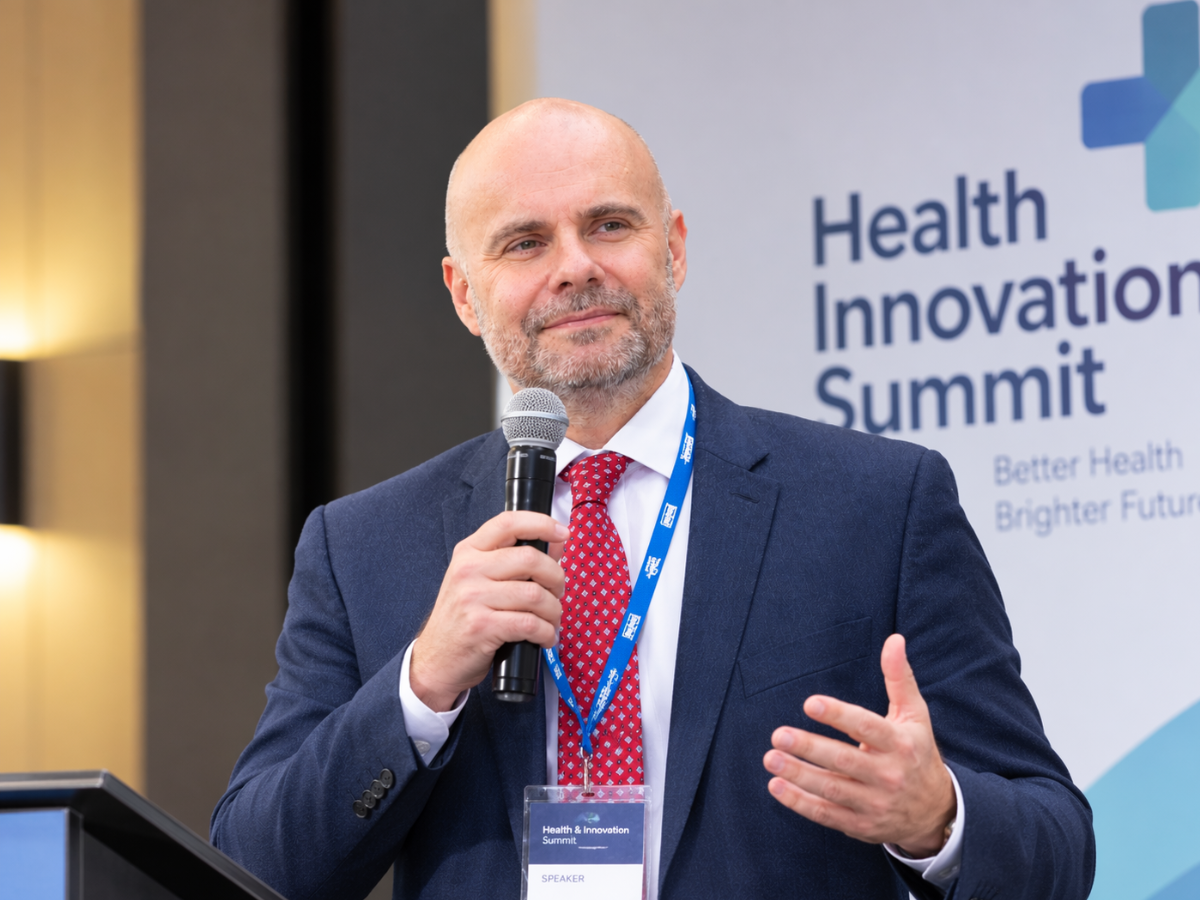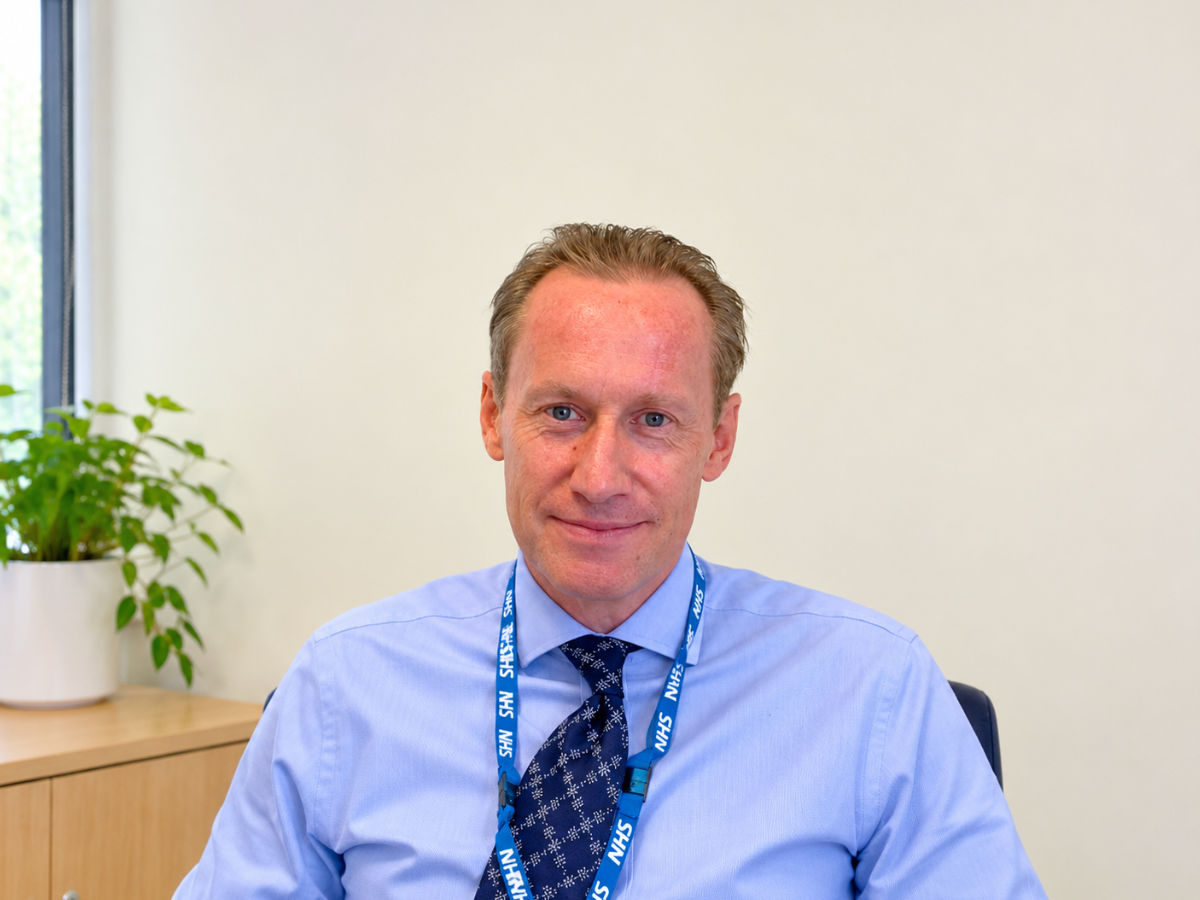
Dr Michael Gregory, Regional Medical Director at NHS England in the North West
There is a particular confidence in a health system that spends a full day rehearsing its worst weeks. Senior NHS leaders and integrated care boards across the North West have just done so, simulating peak winter demand to find where hospitals, ambulance services and community teams would feel the strain first. The scenario is familiar to everyone involved. Respiratory illness climbs, emergency departments fill and ambulances wait outside buildings with no free beds. What stands out is the posture. Winter is being planned for as a known quantity, with named leaders, tested assumptions and a region prepared to act on what the exercise reveals. Among the senior figures involved is Dr Michael Gregory, Regional Medical Director at NHS England in the North West, who emphasised the importance of bringing health and care professionals together to prepare for seasonal pressures. Commenting on the exercise, Gregory said that testing plans against realistic scenarios before winter arrives would leave services "better prepared, better joined up, and better placed to protect patients and support our staff".
The measures under test reflect a clear logic. Same-day emergency care, with longer opening hours, allows clinicians to assess and treat patients who would once have been admitted overnight by default. Discharge coordination gives multi-agency teams a shared task of getting people home safely and quickly. Bolton's Integrated Transfer of Care Hub is a good example, bringing health and social care staff together around a single view of who is ready to leave and what support they need on arrival. Regional plans also include single points of access in Cheshire and Merseyside, through which a community clinician can seek advice and refer a complex patient directly into urgent community care. Each addresses a different point where demand enters the hospital or struggles to leave it.
The evidence for this approach is encouraging. Every hospital in the region has had a care transfer hub since 2023, and early results from Wirral showed the number of people in beds waiting to go home falling from 250 to 102 a day, which freed up nearly 150 beds. Gains of that scale change how a hospital runs on a difficult January morning. They show that careful coordination between the NHS, social care, housing and voluntary partners can release real capacity without a single new ward being built.
Falls prevention shows the same thinking applied upstream. The North West Ambulance Service handles well over 100,000 falls-related emergency calls in a year, and in Cheshire and Merseyside call volumes in January have run at almost double those of September. Falls are estimated to cost the NHS more than £2.3 billion annually. Joint community workshops between the ambulance service and Age UK, designed for frail older people, aim to prevent the fall in the first place, which spares the individual an injury and spares the system a dispatch, an admission and often a long period of recovery. Few interventions in health care offer such a direct line between a modest community investment and a reduction in acute demand.
This matters beyond the region because it matches the direction national policy has set. The government's stated ambition for neighbourhood health, with a larger share of care delivered closer to home, needs working examples that show what the shift looks like in practice. The North West is supplying some. Trusts, ambulance services, councils and charities are already sharing information, pooling effort and testing ideas in live conditions. That experience is a valuable asset for any minister seeking to demonstrate that the policy can be delivered.
For NHS leaders, the opportunity lies in measurement. A falls programme or a discharge hub that can show reduced ambulance dispatches, shorter stays and freed bed days in a defined population makes a persuasive case to finance directors and commissioners. The region is well placed to build that evidence base, and the early discharge figures suggest the results will be worth publishing. For policymakers, multi-year budgets that span the NHS, local government and the voluntary sector would let successful local models grow with confidence, since the savings from prevention often appear in a different budget from the one that funded it.
Health technology firms also have a clear opening. AI-assisted lamps in care homes across Lancashire and South Cumbria, which alert staff when a resident falls, show the appetite among providers to trial new tools. Suppliers who can demonstrate reduced harm at scale will find an engaged and well-organised customer base.
The public has a constructive part to play as well. Flu vaccination uptake influences how many beds are occupied in the coldest weeks, and using community pharmacies and NHS 111 for lower acuity problems keeps emergency capacity available for people with urgent needs. These are small actions with measurable effects, and leaders are right to ask for them plainly.
A rehearsal cannot guarantee a smooth winter, and no sensible leader in the region would claim otherwise. It does show a health system that understands its pressure points, has built tested responses to them and is willing to work across organisational boundaries to protect patients. If January brings the surge that planners expect, the North West will meet it with more coordination, more community capacity and more evidence than it had a few years ago. Those who want to know what a resilient, community-centred NHS looks like in practice could do worse than watch how the region fares.