
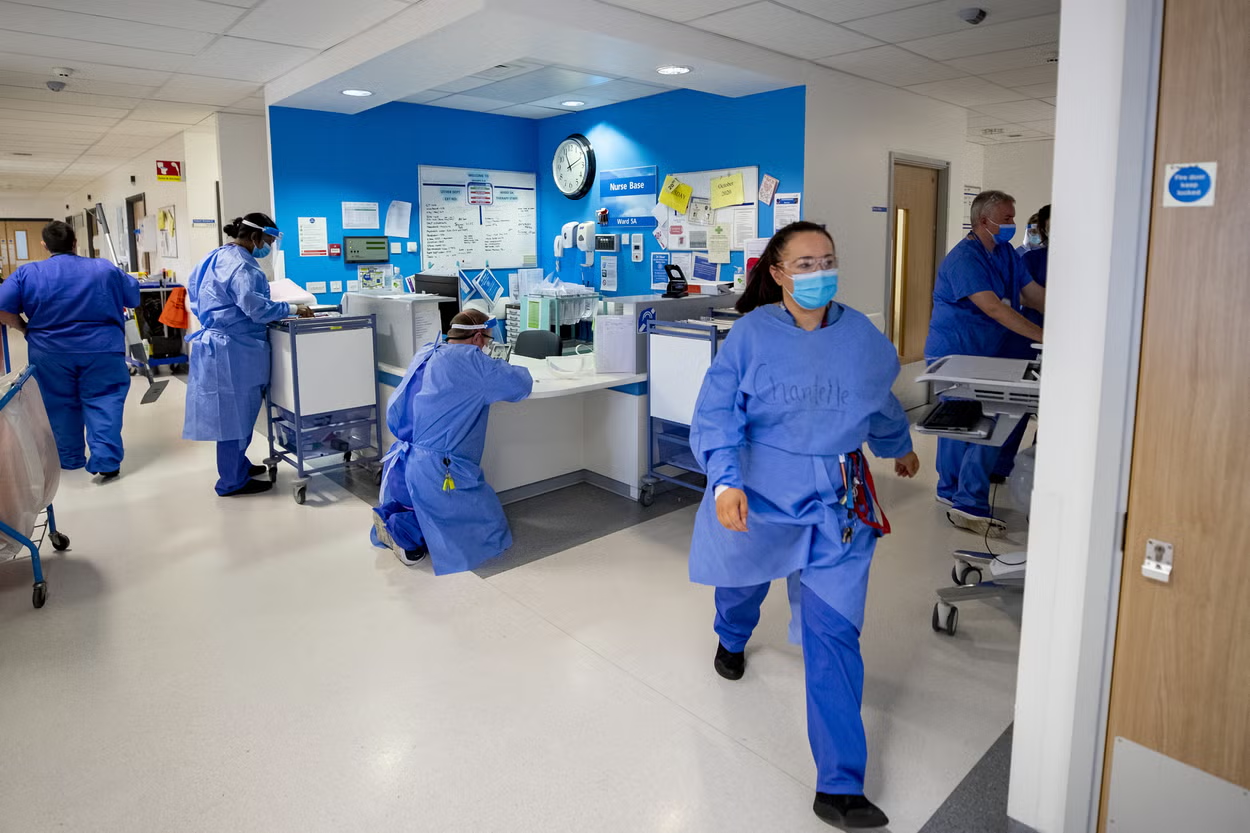
The Hospitals, which should be clinical sanctuaries, increasingly resemble besieged workplaces in 2025. They are crowded, understaffed, and tense, and staff often prioritise immediate survival over long-term learning, support, and humane working conditions. A confluence of factors clearly creates this toxic culture: an unusually early and severe flu season, record pressure on Accident & Emergency (A&E) departments, repeated industrial action, and persistent workforce shortages.
The stark operational reality is this - NHS England reported an unprecedented 1,717 flu patients occupying hospital beds daily last week. This represents a massive 56% surge compared with the same time last year, setting a new record for this period. This respiratory spike is straining emergency departments and consuming beds already under intense demand.
The systemic strain mirrors A&E figures starkly. From July to September 2025, over 320,000 people left Accident & Emergency departments without receiving treatment. This represents a more than threefold increase compared to the same period in 2019, underscoring that many departments are at or beyond safe operational capacity. This pressure creates a domino effect, impacting wards, surgical schedules, and discharge processes, subjecting staff to incessant and occasionally perilous demands.
Industrial action has intensified the strain on the system. For instance, the BMA's resident-doctor strike, which ran from 14 to 19 November 2025, necessitated trusts to implement contingency measures. These plans involved redeploying senior staff, extending shifts, and securing agency cover. Although these efforts ensured immediate patient safety, they incurred significant costs: senior clinicians worked outside their normal routines, curtailed training opportunities, and diminished the informal supervision crucial for protecting junior clinicians and patients. These resulting conditions contribute directly to moral injury and staff attrition.
This moral and physical exhaustion is reflected in staff well-being data. Research cited by NHS Employers and the King's Fund suggests that NHS staff face a chronic stress risk that is around 50% higher than the general population. This elevated risk significantly drives retention issues and precedes burnout. The combination of increased sickness absence and a higher number of staff considering resignation worsens rota instability and makes cultural improvement increasingly difficult.
Hospitals possess resilience, but leaders must distinguish this from mere endurance. The evidence from 2025 unequivocally demonstrates that sheer stamina is insufficient to safeguard staff and patients. To ensure fewer crises and improved staff well-being in 2026, leaders must build, maintain, and resource culture as infrastructure, not treat it as a secondary concern to be patched up only after the next major challenge, such as a winter storm, has passed.



.jpg)
.jpg)
.jpg)