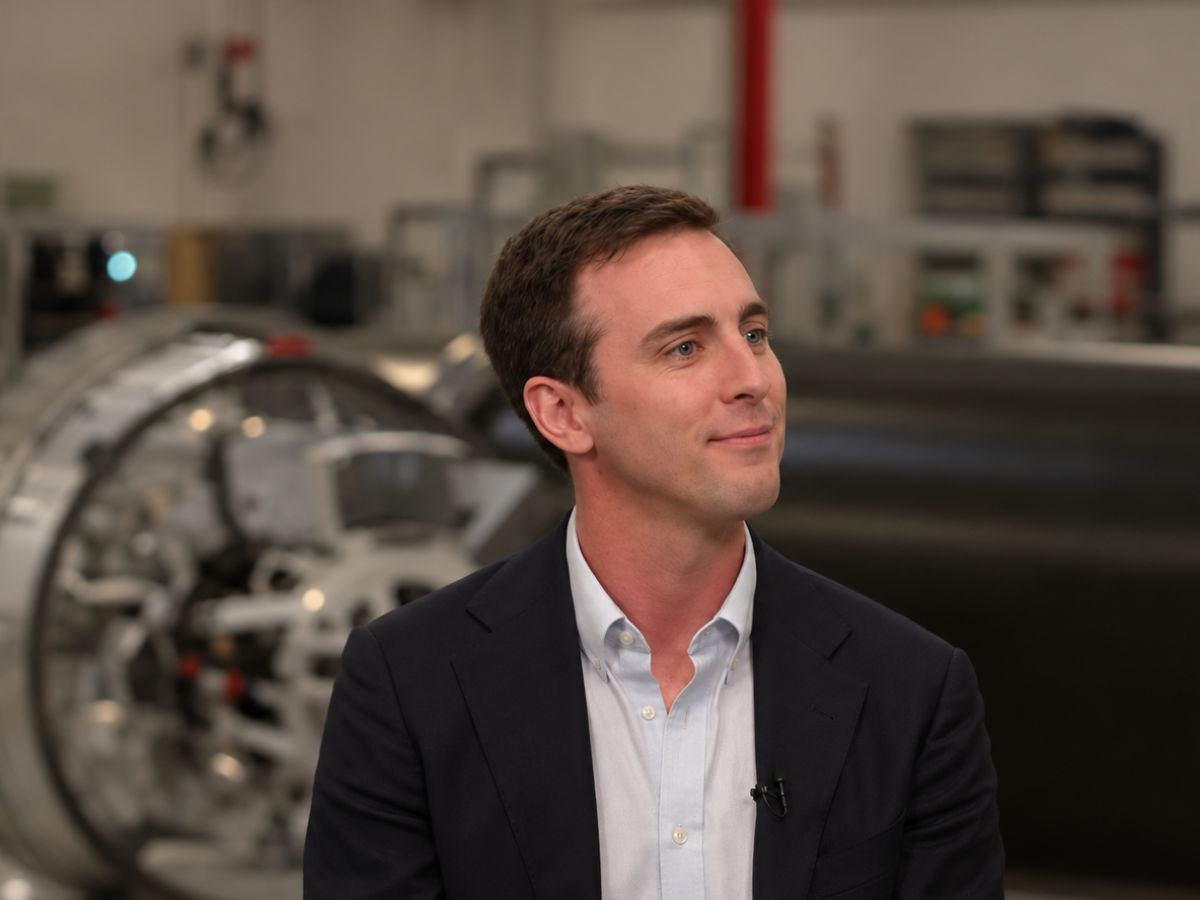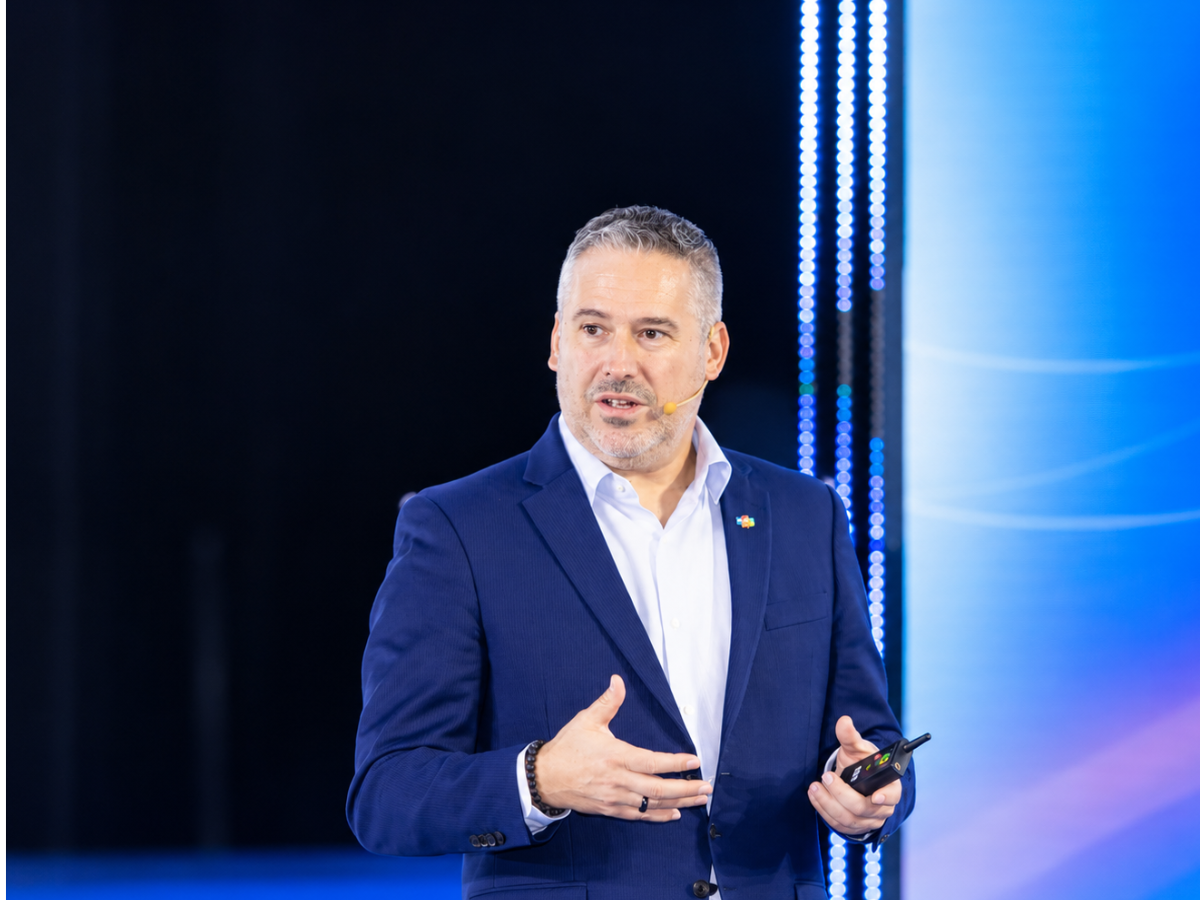
The CEO and co-founder of Heidi Health, Dr. Thomas (Tom) Kelly
Two co-founders left Heidi Health on one day. On the next, the company told staff that roughly 18 per cent of its global workforce would go. Chief executive Thomas Kelly said all affected employees had been notified and that demand for the product remains strong, and the Melbourne-founded firm reports three million patient interactions every week. Nothing in that account suggests the product is failing. What deserves attention in the NHS is that a regional health system has made one company's stability a condition of its own.
The scale of that dependence is easy to state. NHS England Midlands has appointed Heidi as its sole ambient voice technology supplier, with the rollout set to reach 15 trusts, 1,239 GP practices and around 70,000 clinicians. It is the largest procurement of its kind in the NHS. The choice followed a national expectation that integrated care boards and providers adopt the technology from April 2026, and it sits comfortably within the 10 Year Health Plan's promise that digital tools will release clinical time. The company also claims that one in two UK GPs already uses its scribe, a figure that comes from the supplier and has not been independently verified.
The logic of consolidation is sound. One supplier means one contract, one training programme, one integration with local records and one set of governance papers. Trusts that spent two years running pilots with competing products have little appetite for another comparison exercise, and the ones that have already named Heidi as preferred supplier will say the evidence supported the choice. The difficulty lies in what that choice turns the product into. A pilot is a trial that can be abandoned. A scribe embedded across a region becomes infrastructure, and infrastructure is held to a different standard of assurance.
Restructuring at the supplier is the kind of event that tests that standard. Leadership has described merging research and development into a single roadmap, tying customer support more closely to product teams and moving capital towards higher-impact commercial initiatives. Those are the words of a company narrowing its priorities in a market where, by its own account, competition has intensified and sales have been volatile, particularly in the United States. A large NHS contract is valuable, but it is one account in a global business whose attention is pulled towards wherever growth is fastest. The announcement does not say which functions or regions lose staff, and UK teams may be untouched. Even so, support responsiveness, integration with English electronic patient records and regulatory upkeep are the areas where any thinning would show first.
The NHS has seen how quickly a well-adopted digital supplier can unravel. When Babylon collapsed in 2023, commissioners had to rehome tens of thousands of patients at short notice. Heidi is a different business, and no published figure points to comparable distress. An ambient scribe is also further from the delivery of care than a provider of care itself. Yet the dependence has a practical edge that finance directors will recognise. Appointment lengths, clinic templates and staffing assumptions are already being adjusted around the time the tool saves. If the service stopped or degraded, the documentation burden would return overnight to a workforce that has little slack to absorb it.
Regulation adds a further layer. The Medicines and Healthcare products Regulatory Agency issued guidance in July clarifying how medical device law applies to ambient voice technology, and tools that summarise consultations or generate letters can fall within it. Some competitors have pursued higher device classifications, which brings heavier post-market surveillance duties. Manufacturers carry clinical safety obligations under the DCB0129 standard, and deploying organisations carry their own under DCB0160. Both depend on a supplier that retains the people to monitor incidents, investigate errors in generated notes and issue fixes. A trust's clinical safety officer cannot discharge those duties if the manufacturer's capacity to respond has quietly shrunk.
Data carries the same weight. Consultation audio and the notes derived from it are among the most sensitive records the service holds. Data processing agreements should already say where recordings are stored, how long they are kept and what happens to them if the supplier is sold, merged or wound down. The departure of founders sometimes precedes a change of ownership, though there is no evidence of that here. Any such change would put those clauses to work, and trusts should know now whether they would survive it.
The practical response is modest. Integrated care boards and trusts in the Midlands should ask for updated assurance on the supplier's finances and on the continuity of UK support, and should confirm that contracts guarantee the return and deletion of data, give them rights to step in if service fails and keep a second approved supplier ready to switch to within a defined period. National bodies have given the market an approved list, which signals quality but offers no guarantee of continuity. If ministers want AI scribes to carry a meaningful share of the productivity case for the NHS, supplier resilience becomes a matter of state capacity and needs shared standards for exit and portability. Other vendors should expect buyers to ask sharper questions about their own runway. Patients deserve plain information about which tool is listening and what becomes of the recording.
This week's announcement may prove a routine correction in a fast-moving sector. The NHS cannot yet know, which is the strongest argument for preparing as if it matters. A health service that has decided ambient AI will help clear its backlogs has also decided to rely on firms that behave like start-ups, and every contract signed this year should price that reliance in.