
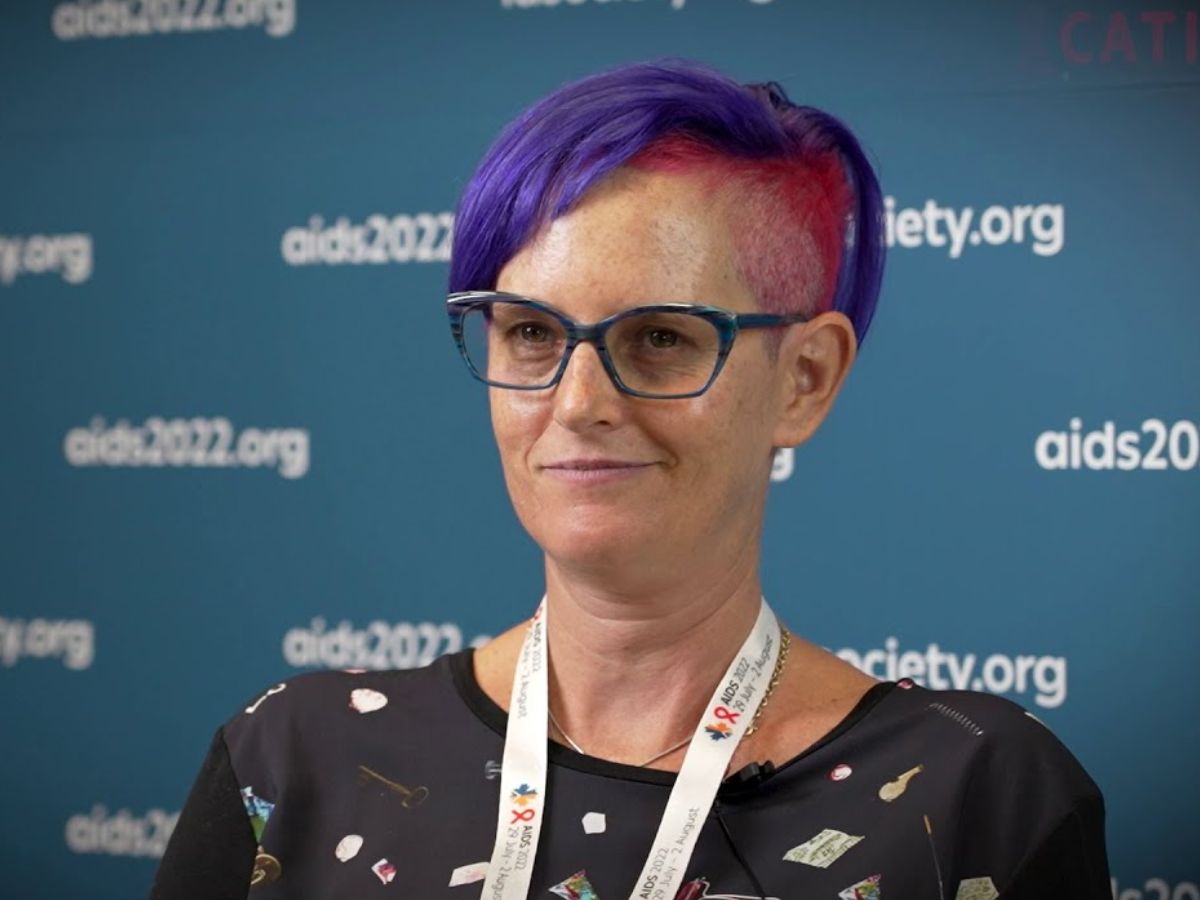
There is a version of this story that writes itself. Nearly 2,000 people who did not know they had HIV walked into an NHS emergency department for something else entirely and left with a diagnosis that will, in many cases, extend their lives. One in twenty people living with HIV in England remain undiagnosed. The programme catches people who, by definition, were not going to be caught any other way. Ninety-three per cent had no record of a prior HIV test. The economics are defensible at roughly £6 per test. A Lancet HIV study estimates the first 802 diagnoses alone will prevent around 187 deaths and 28 new transmissions over the next two decades. This is, on almost any measure, a public health success.
But the more interesting story is structural. The NHS ED Opt-Out Testing Programme works precisely because it inserts a preventive intervention into a transactional clinical encounter. It does not ask people to seek out testing. It does not rely on self-referral, stigma navigation, or awareness. It operates at the point where the NHS already has the patient, the blood sample, and the clinical relationship. The marginal cost is low. The informational yield is high. Ayo, the Manchester man whose undiagnosed HIV was eventually found after months of deteriorating health and a neck abscess, had not been avoiding testing out of indifference. He simply had not thought HIV was something that could apply to him in his fifties. The programme found him because it was not waiting for him to think otherwise.
This matters well beyond the specific epidemiology of HIV, and it speaks directly to a debate the NHS has been having with itself, and with the government, for years. The health service is under sustained financial and operational pressure. Waiting lists remain stubbornly high. Workforce capacity is constrained. The case for prevention is universally acknowledged and chronically underfunded. Wes Streeting and NHS England have both signalled, with varying degrees of specificity, a desire to shift the system's centre of gravity from acute response to earlier intervention. The 10-Year Plan process gestured at this repeatedly. So did the Major Conditions Strategy before it.
What the HIV programme demonstrates is that the shift does not always require new infrastructure, new appointments, or new patient pathways. Sometimes it requires reframing what an existing touchpoint is capable of doing. Emergency departments are overwhelmed in part because they absorb demand that better-functioning upstream services might have caught earlier. The opt-out model does not reduce that pressure overnight, but it shows that the ED encounter, even at its most stretched, contains clinical opportunities that currently go unused. An A&E visit is not just a crisis response. It is contact with a population that, for structural or social reasons, may not present elsewhere.
The government's HIV Action Plan commits £156 million over three years from April 2026 to extend opt-out testing to areas of high HIV prevalence. Three additional hospitals will join by April 2027, extending the programme to near-universal coverage in relevant areas. Terrence Higgins Trust has already called for the same approach to be extended to GP practices in high-prevalence areas. The logic is hard to resist, and the evidence base is now robust enough to support that argument.
What is less clear is whether the broader lesson will be absorbed, or whether the HIV programme will remain a well-regarded exception rather than a model for how the NHS approaches the gap between acute care and public health. Blood pressure, diabetes risk, alcohol dependency, undiagnosed mental health conditions: the list of things the NHS could, in principle, surface through contact that already exists is not short. The barriers are real, including clinical time, data integration, consent frameworks, and follow-up capacity. But the HIV programme suggests those barriers are not insurmountable when the clinical case is clear, the economics hold up, and the political will is present.
The NHS is right to celebrate 2,000 diagnoses. It should also be asking why a model this straightforward took this long to scale, and what else is waiting for the same logic to be applied to it.



.jpg)
.jpg)
.jpg)