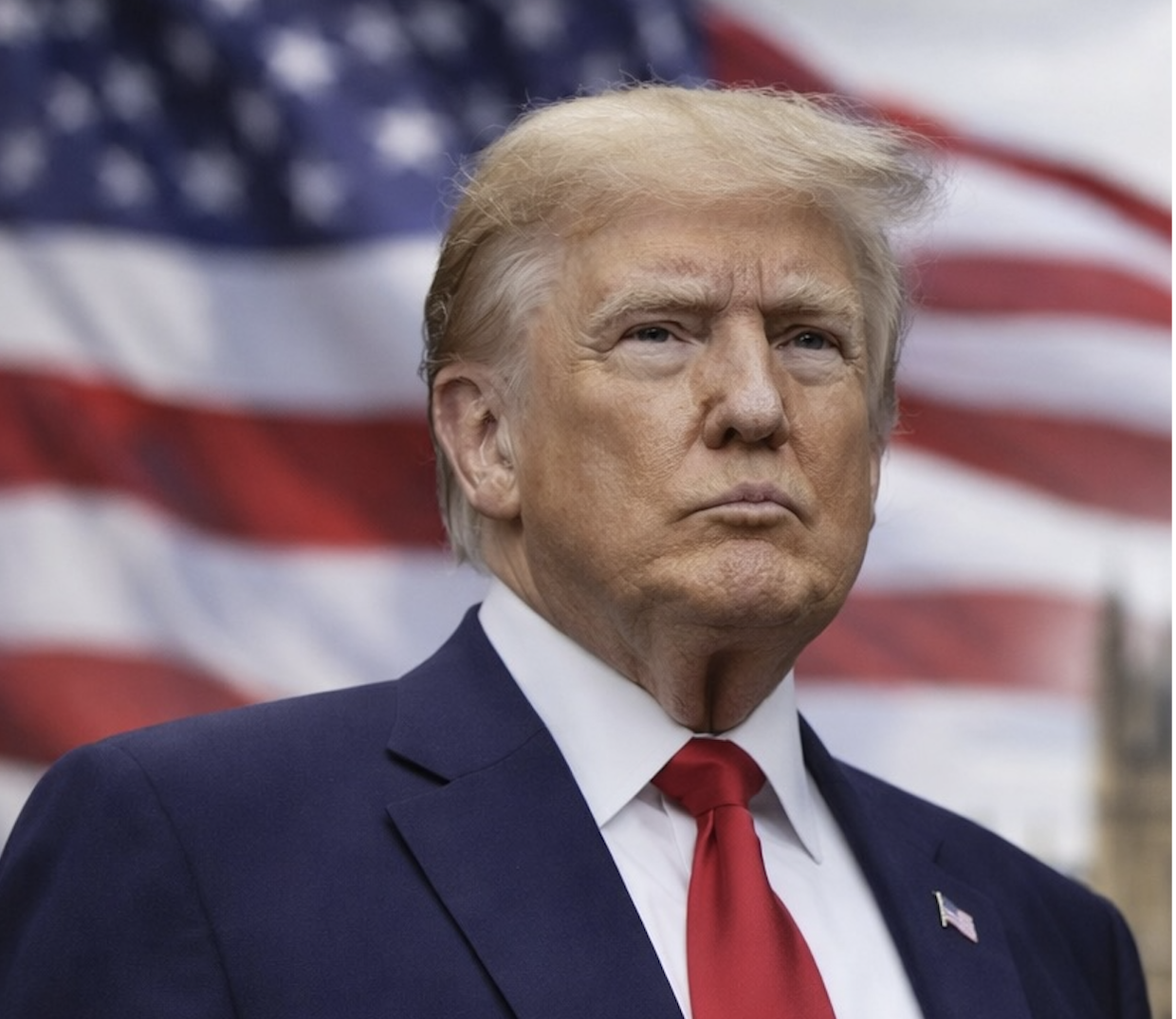
The United States Supreme Court delivered a landmark ruling on 20 February 2026, issuing a decisive 6-3 verdict that invalidated the majority of the comprehensive global tariff regime established by former President Donald Trump. This decision, with profound implications for the global economy, technology sectors, and the constitutional balance of power, determined that the President had exceeded the limits of executive authority by imposing broad import duties without the explicit consent of the legislative branch. The ruling represents a critical judicial check on the expansion of presidential power in matters of trade and taxation.
The Constitutional Mandate and the Court's Rationale
At the heart of the majority opinion, penned by Chief Justice John Roberts, lay a fundamental assertion regarding the separation of powers. The Court found that the tariffs, which had been implemented by the Trump administration through the International Emergency Economic Powers Act (IEEPA), fundamentally represented an exercise of the taxing power. The U.S. Constitution, Roberts emphasised, vests this exclusive authority, the power to "lay and collect taxes and duties" squarely and solely with Congress.
Chief Justice Roberts's opinion meticulously clarified the distinct boundaries between emergency presidential actions and structural, long-term trade policy. "It is Congress, not the executive," he wrote, "that holds the authority to lay and collect taxes and duties," thereby setting clear constitutional limits on how and when the executive branch can invoke emergency powers to alter the nation's fundamental trade and economic structure.
The Role of IEEPA and the Major Questions Doctrine
The Supreme Court's judgment affirmed the findings of lower courts, concluding that the 1977 IEEPA, which was legislated to allow the President to respond quickly to acute national security or immediate foreign policy emergencies, could not legitimately be stretched to authorise the imposition of sweeping, long-term tariffs as a routine instrument of peacetime economic policy.
The justices pointed out that the statutory text of IEEPA contains no specific reference to the power to impose tariffs. For such a massive economic undertaking, effectively a tax to be legitimate, the power must be clearly and unambiguously delegated by Congress to the President.
Significantly, the Court utilised the increasingly influential "major questions doctrine" in its decision. This doctrine posits that policy decisions carrying vast economic and political effects cannot be based merely on broad or ambiguous interpretations of existing law; they require explicit, clear, and unmistakable authorisation from Congress. By applying this doctrine, the Court reinforced the principle that the executive branch cannot unilaterally reshape major areas of public policy without a clear legislative mandate.
It is crucial to note the precise scope of the ruling: it does not affect tariffs implemented under separate statutory authorities, such as Section 232 (which permits tariffs on imports deemed a threat to national security) or Section 301 (which addresses unfair trade practices). However, the voiding of the IEEPA-based regime constitutes a major practical and symbolic blow to a cornerstone of the Trump administration's protectionist economic policy platform.
Political Backlash and an Immediate Policy Shift
In response to the judicial setback, President Trump reacted with characteristic vehemence, publicly criticising the Supreme Court justices as "anti-American" and reaffirming his commitment to his nationalist and protectionist trade agenda.
Within a mere few hours of the Court’s announcement, the administration executed a rapid policy pivot. Trump declared an immediate increase in the global tariff rate, escalating it from the previous 10% to 15%. This time, however, the administration invoked the Trade Act of 1974. Specifically, the new duties are being authorised under Section 122 of that Act. Unlike the IEEPA regime, tariffs under Section 122 are mandated to be temporary and are subject to specific procedural safeguards, which include formal investigations and defined limitations on duration. This shift underscores a forced movement toward a more procedurally constrained, though equally protectionist, approach to trade policy.
Economic Turmoil and Global Reactions
The most immediate and consequential impact of the ruling was the abrupt halting of tariff collection. US Customs and Border Protection ceased collecting the now-unlawful tariffs immediately. This cessation has opened the door to the staggering prospect of massive refunds to businesses, importers, and consumers who paid the voided duties, with potential liabilities estimated to exceed $175 billion.
While major business groups largely welcomed the verdict as a necessary step toward restoring a predictable, rules-based framework for international trade, industry leaders concurrently voiced concern regarding the persistent atmosphere of uncertainty created by the administration's immediate shift to new tariffs.
The international fallout has been significant. Major trading blocs, including the European Union, the United Kingdom, and China, immediately sought clarity from Washington. The EU publicly urged the United States to honour existing international trade commitments and issued a strong warning of potential retaliatory measures should U.S. trade policy remain volatile and unpredictable. China also weighed in, describing the reliance on unilateral trade levies as ultimately counterproductive to global commerce.
Broader Constitutional Implications
Beyond the immediate commercial and trade impact, the Supreme Court's ruling is widely interpreted as a profound constitutional rebuke to what many saw as the overreach of expansive executive power claims. Notably, the majority opinion included two conservative jurists appointed by President Trump, which amplified the sense of a judicial consensus committed to limiting the scope of unilateral presidential action, regardless of political affiliation.
Legal scholars and constitutional analysts believe the decision will have a ripple effect, potentially influencing judicial scrutiny of other executive actions that rely on broadly worded statutes to implement major economic policy. The ruling decisively re-emphasises that Congress has a duty to clearly and explicitly delegate its authority for any far-reaching governmental initiatives
The Future of Trade Policy
Although the Supreme Court effectively closed one legal avenue for the administration’s trade policy, the swift invocation of an alternative statutory authority signals a clear commitment to continuing the fundamental strategy of protectionism, albeit now operating within tighter legal and legislative constraints.
For the international community and global businesses, the judgment serves as a stark, enduring reminder that U.S. trade policy remains highly volatile, subject to both judicial intervention and political shifts. This volatility underscores the critical need for diversified strategies and robust risk management mechanisms throughout global supply chains. As the United States progresses toward upcoming national elections and inevitable congressional debates on trade, the Supreme Court’s decisive ruling will remain a central point of discussion concerning the constitutional limits of presidential authority and the future trajectory of international trade co-operation.


.jpg)
.jpg)