
.jpg)
The UK’s AI Security Institute has access to the newest advanced AI models and is collaborating with the US government and leading developers, including Google, to evaluate potential safety risks, AI minister Kanishka Narayan said on Monday.
The announcement did not list every model under review. Mr Narayan named one, Google's Gemini 4 Argon. "I can confirm that AI scientists at the AI Security Institute are now conducting rigorous evaluations of the latest generation of models," he said, adding that the aim was to identify risks early and test safeguards.
Britain is home to no major AI developer, yet it is seeking a leading role in assessing and managing the risks of increasingly powerful systems. The institute operates under voluntary agreements with the large developers. These give it access to models before deployment, which allows staff to examine their capabilities and risks and to feed findings into emerging international safety standards.
The statement follows reports last month that the White House had asked OpenAI and Anthropic to withhold new models from British testers while a US review took place. Ministers have not publicly confirmed that the institute’s access to cutting-edge AI systems was restricted more broadly. In a letter released in September, the institute said Anthropic had stated that its Mythos 5.1 model was accessible only to organisations based in the United States.
Pressed on the matter, Mr Narayan described a long-standing relationship with the US built on trust. He acknowledged the risks of depending on foreign technology. "When you're reliant on someone else's technology, you have to be clear-eyed about the permanence of any outcome," he said. He added that he was confident, given the conversations held so far, that the institute would be able to test the latest generation of models.
His remarks leave open which developers have agreed to provide access to which systems. The government has not said whether the models from OpenAI and Anthropic that were reportedly held back are now available to the institute, or whether the Gemini evaluation is the only new arrangement.
Scrutiny of AI safety has grown in recent months. Anthropic and OpenAI have each disclosed cases in which AI agents behaved in ways that were rogue or undesired. Some industry experts have issued even stronger warnings, arguing that the technology could threaten humanity’s long-term survival. Such concerns have intensified calls for governments to introduce independent safety assessments before AI systems are made publicly available.
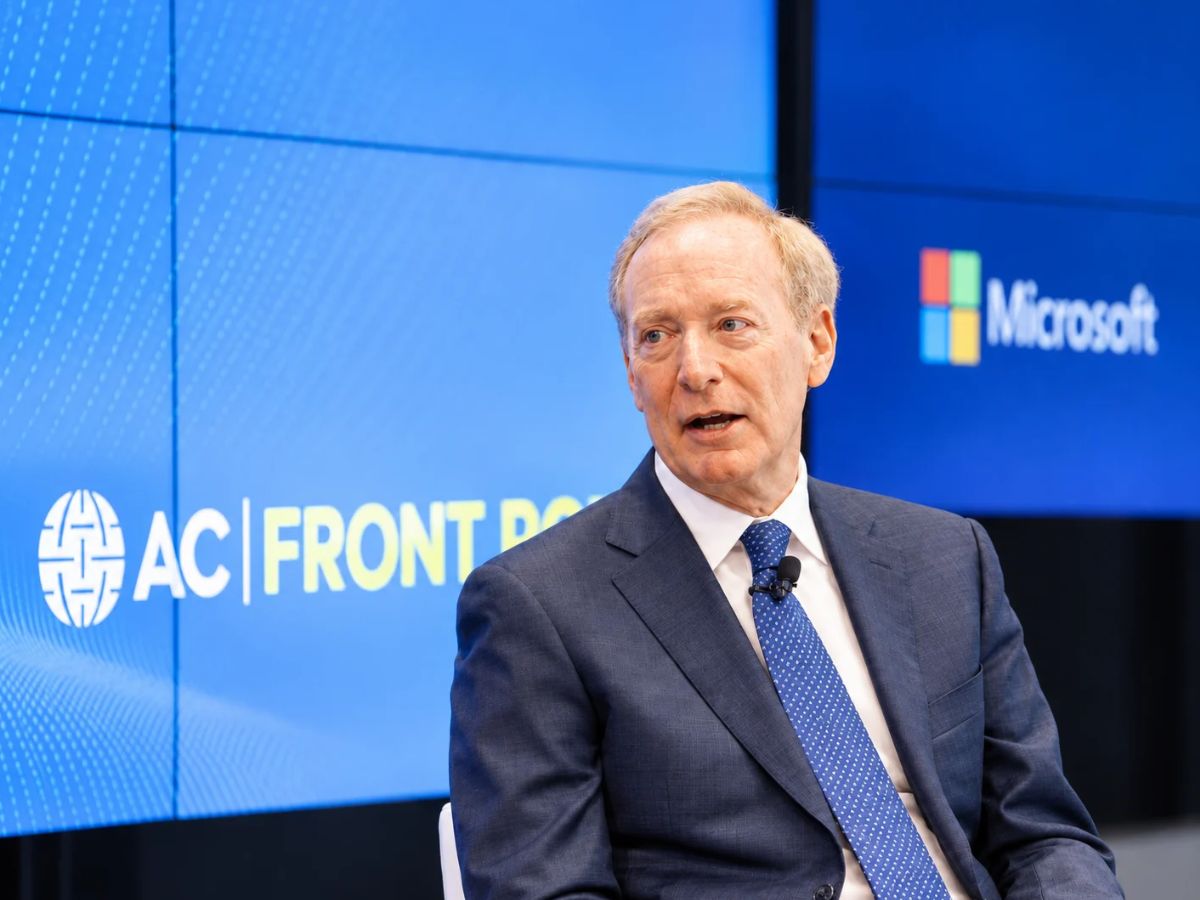
Microsoft president Brad Smith told the BBC on Monday that the UK was in a strong position to take a leading role in developing AI safety standards. His remarks reflect a growing view among industry figures that countries without domestic developers of frontier AI models can still provide independent and credible assessments, free from direct commercial interests in individual systems.
That position depends on continued cooperation from the companies and from Washington. Access that rests on voluntary agreements can be changed or withdrawn, and the reported US request shows how quickly the arrangement can come under strain. Mr Narayan's reference to permanence suggests the government is aware of that exposure.
For now, the institute's scientists are working with at least one of the latest models, and the minister has expressed confidence that more will follow. Whether that confidence is borne out will become clearer as developers release further systems and the institute reports on what it has been able to test.


.jpg)