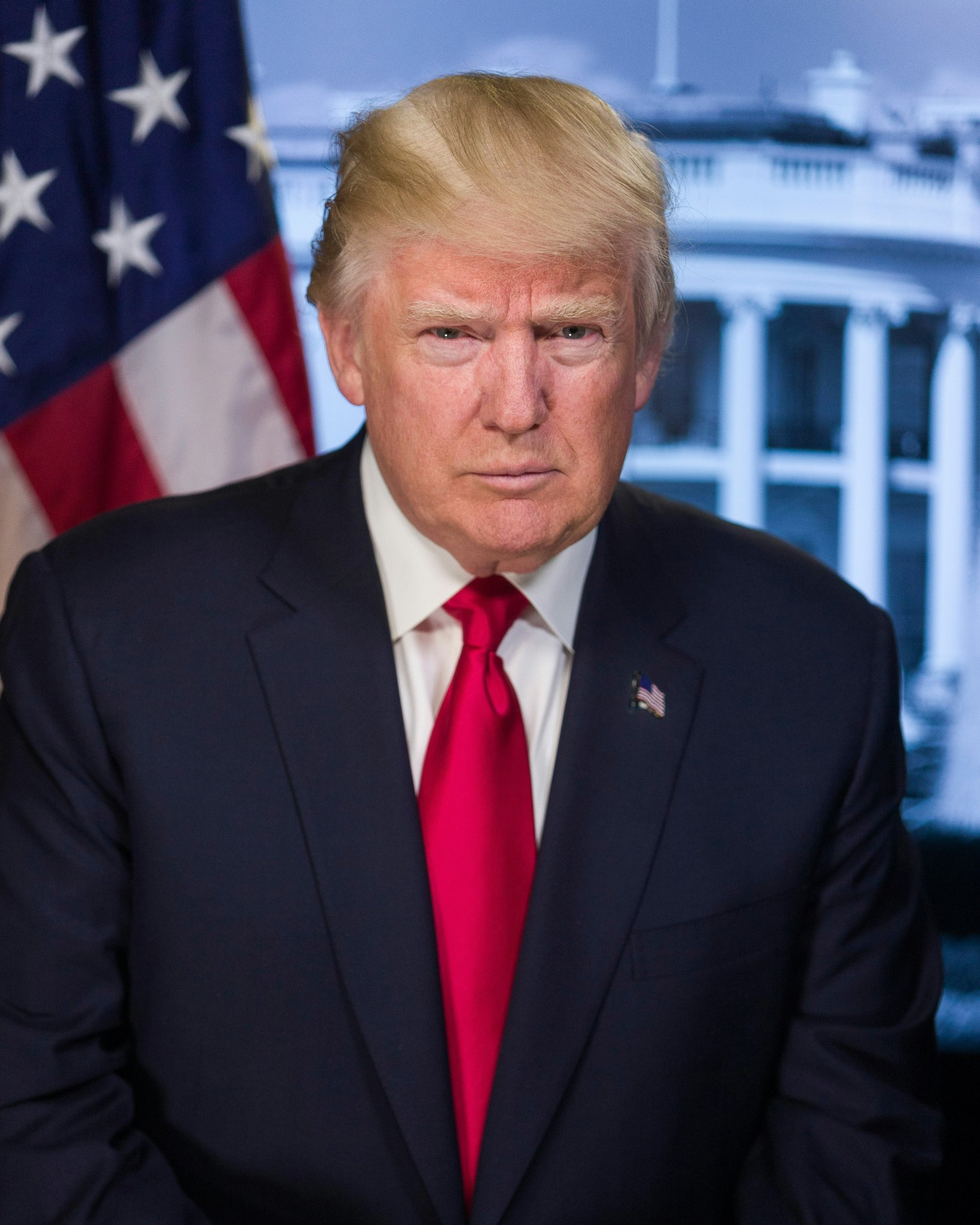
The Trump administration is attempting to stop Republican lawmakers in Utah from passing a state-level artificial intelligence (AI) safety and transparency bill, escalating a national debate over AI governance. This intervention is part of a broader federal effort to pre-empt state AI laws and establish a unified national approach to regulating the rapidly evolving technology.
The Utah Bill: H.B. 286
The dispute focuses on H.B. 286, the Artificial Intelligence Transparency Act, introduced by Utah Republican Representative Doug Fiefia. The proposed legislation would mandate that major AI companies operating in Utah publish public safety and child-protection programmes, incorporate risk-mitigation measures, implement incident reporting and stronger whistleblower protections, and face civil penalties for violations. The bill's focus on mitigating potential harms has garnered overwhelming public support, with a recent survey showing around 90 per cent of Utah voters back requirements for safety, accountability, and security protocols from AI developers.
White House Opposition and Rationale
Despite the local support, the White House has reportedly lobbied Utah state legislators to withdraw the bill, arguing that it would impose burdensome requirements that could hamper innovation and contradict the administration's broader AI policy goals. This direct federal involvement, largely through the Office of Intergovernmental Affairs, is a significant escalation. The Trump administration views AI as a strategic industrial priority vital for economic and national security, and is concerned that divergent state laws could fragment the regulatory environment, deter investment, and slow technological uptake, thereby undermining US leadership.
Federalism and the Regulatory Void
The Utah conflict highlights a larger constitutional and political debate: the extent of states' authority to regulate emerging technologies when federal policy is perceived as insufficient. With more than 30 states passing AI-related laws since 2025, many state lawmakers feel compelled to act due to a lag in comprehensive federal legislation. Critics of the White House's pre-emption strategy argue that prioritising a unified national framework may undermine local efforts to protect consumers and vulnerable populations, potentially favouring corporate interests over public safety.
State Resistance and Commitment to Local Safeguards
Despite the pressure, Representative Fiefia and Utah Governor Spencer Cox remain committed to the bill's principles, stressing the foundational importance of transparency and accountability. They have resisted broader federal moratorium proposals on AI regulation, arguing such measures would undercut state sovereignty and hinder the development of locally tailored safeguards.
Implications for US AI Governance
The standoff in Utah signals a potential nationwide struggle over AI policy. In the absence of comprehensive federal legislation, states have been filling the regulatory void. The Trump administration's aggressive pushback against these efforts is likely to intensify legal and political battles over federalism and innovation policy. The dispute underscores the complex trade-offs policymakers face between fostering technological advancement and safeguarding public interests, and the outcome will have lasting implications for AI governance in the US.


.jpg)

.jpg)