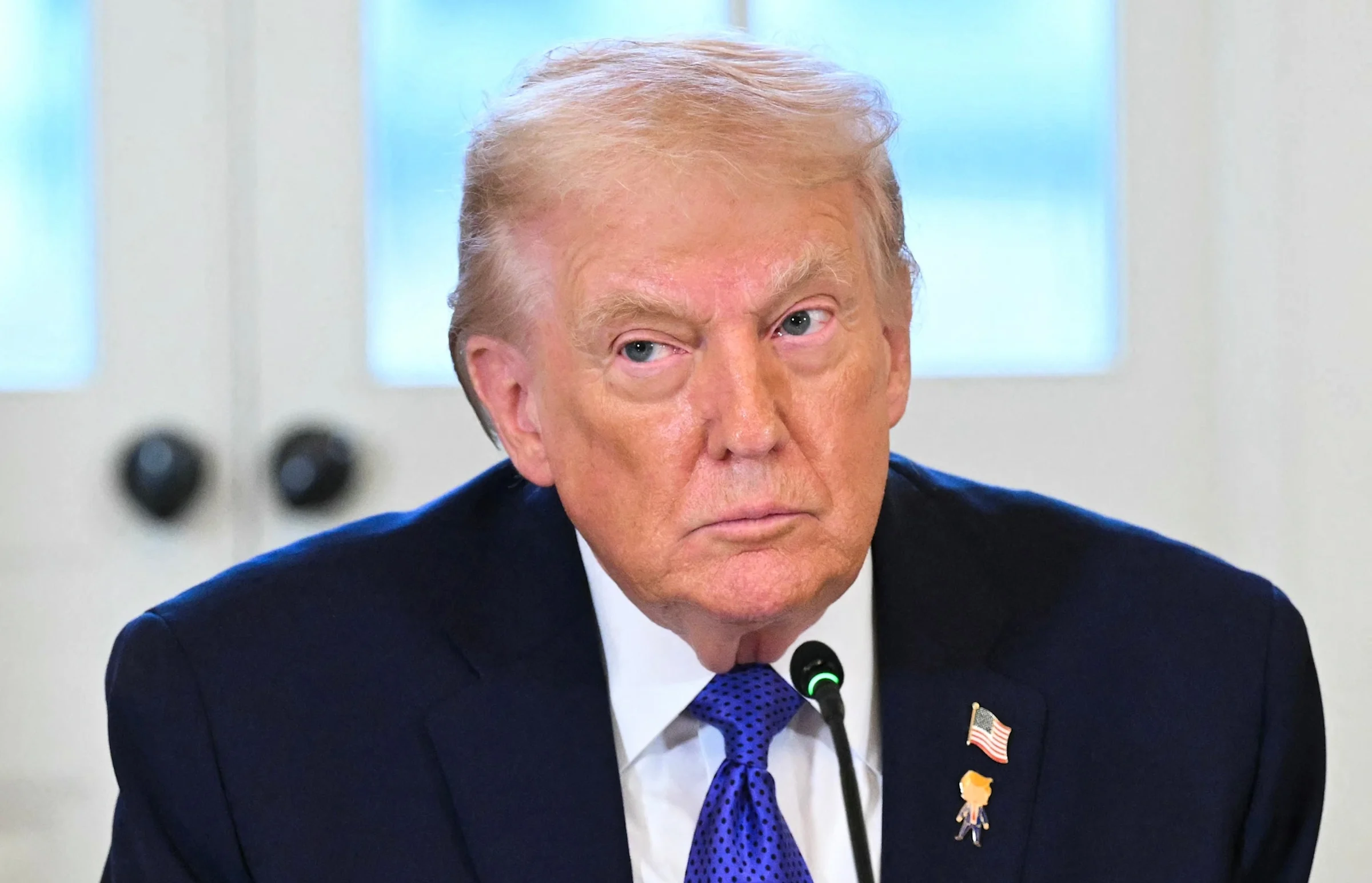
U.S. President Donald Trump is escalating his controversial bid to gain influence or control over Greenland, declaring there is "no going back" on the issue as he heads to the World Economic Forum in Davos. This rhetoric has sharply increased geopolitical tensions, particularly with Denmark, which governs Greenland as an autonomous territory.
In a Truth Social post following a call with NATO Secretary-General Mark Rutte, Trump framed the U.S. ambition as "imperative for National and World Security." He asserted that securing control is vital for countering Russian and Chinese activity in the Arctic, positioning the U.S. as the unique guarantor of global peace through strength. This dramatic escalation of rhetoric precedes his engagements at Davos, where global leaders will be grappling with the implications of his stance.
The latest pronouncements follow Trump’s initial, rebuffed 2019 suggestion to purchase the island from Denmark. They come amidst heightened geostrategic competition in the Arctic, a region gaining importance due to melting ice opening new shipping routes and access to resources.
European leaders, led by Danish Prime Minister Mette Frederiksen, have categorically rejected any negotiation on sovereignty, maintaining that "Greenland is not for sale." Copenhagen's firm stance is supported across the European Union, which is wary of unilateral actions that could undermine NATO solidarity.
Adding to the friction, Trump has threatened tariffs against opposing European countries, including high duties on French wines. This tactic has alarmed policy-makers and risks a significant transatlantic trade dispute, further straining relations between longtime allies. Trump also used AI-generated images on social media depicting Greenland as U.S. territory, signalling a modern approach to building public support for his campaign.
The President's repeated assertion of "no going back" raises significant questions about international law and the rights of the Greenlandic people. While part of the Kingdom of Denmark, Greenland has its own home rule. Officials in Nuuk, the capital, have stressed that the island’s future must reflect the will of its inhabitants, not external pressure.
The Arctic has become a crucial frontier for military strategy, climate policy, resource access, and indigenous rights. Trump's push highlights how competition over the region intersects with broader concerns about global governance and the balance of power.
Renewed international focus on Greenland, extending beyond geopolitics and security, poses significant risks to the health and well-being of the Greenlandic population, particularly the Inuit communities who already face considerable health disparities, including higher rates of suicide, mental ill-health, and chronic conditions rooted in colonial history, social disruption, food insecurity, and inadequate housing. Increased military interest and accelerated resource extraction threaten to destabilise local communities through environmental damage, an influx of external workers, and added strain on already fragile health and social care systems, while climate-linked changes continue to impact water access, housing, and traditional diets. Public health experts warn that decisions prioritising strategic or economic goals without meaningful consultation risk exacerbating existing inequalities, undermining cultural continuity, and eroding trust in vital health and governance institutions.
Many observers are keenly watching developments at the World Economic Forum, where this issue is expected to feature prominently. The forum, traditionally focused on economic cooperation, has been forced into sharp geopolitical debate as leaders assess the consequences of Trump’s position on alliance cohesion and security frameworks.
Analysts note that while the rhetoric is forceful, any actual territorial change would require extraordinary and potentially unacceptable legal, diplomatic, and military steps. Critics argue the focus should instead be on multilateral cooperation for shared interests like climate change and sustainable development.
For allies like the UK, Trump’s stance presents immediate foreign policy challenges: balancing support for Denmark and NATO unity against the realities of security ties with Washington. The collective response of the UK and EU will shape diplomatic dynamics for years.
Therefore, Trump’s declaration on Greenland underscores growing geopolitical competition in the Arctic, threatens alliance cohesion, and sets the stage for one of the most unusual diplomatic debates of 2026, all against the high-stakes backdrop of the Davos World Economic Forum.


.jpg)
.jpg)
.jpg)