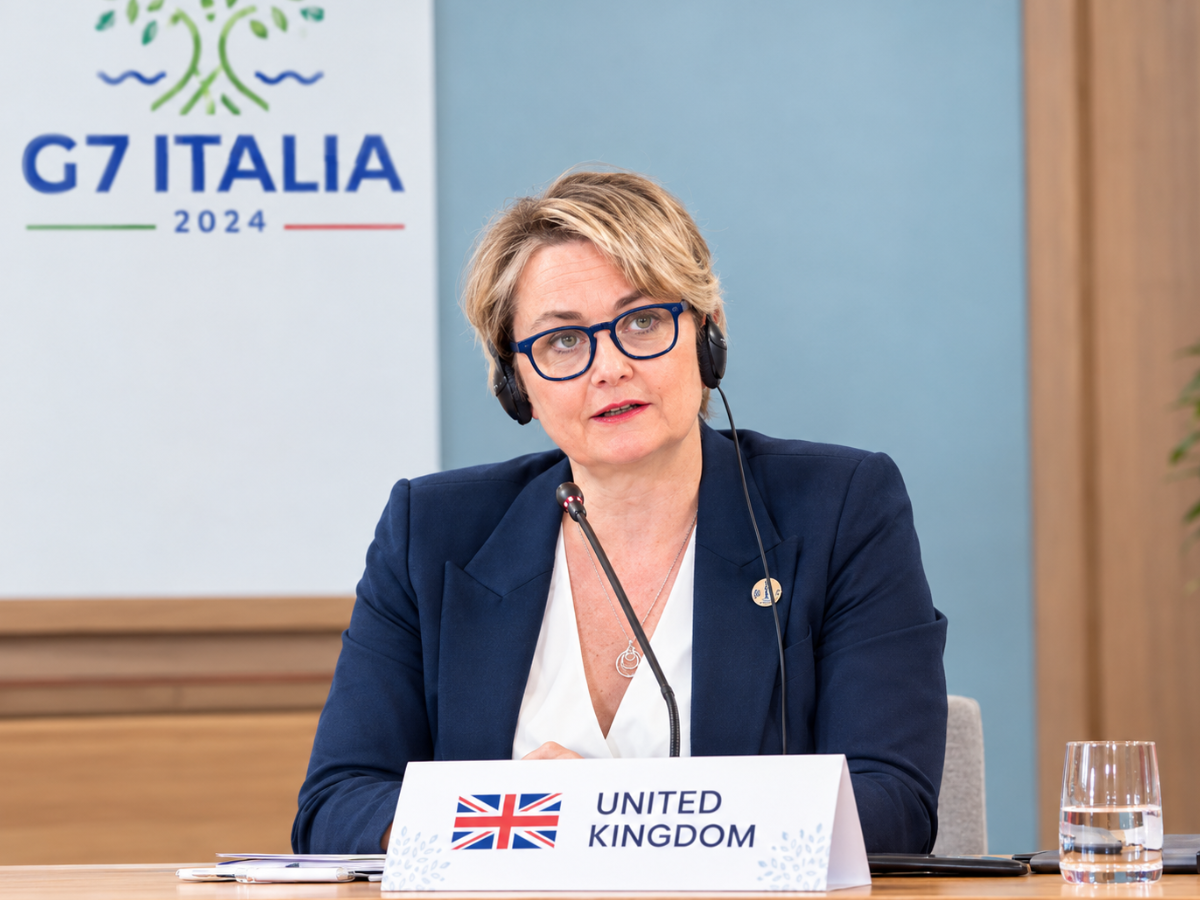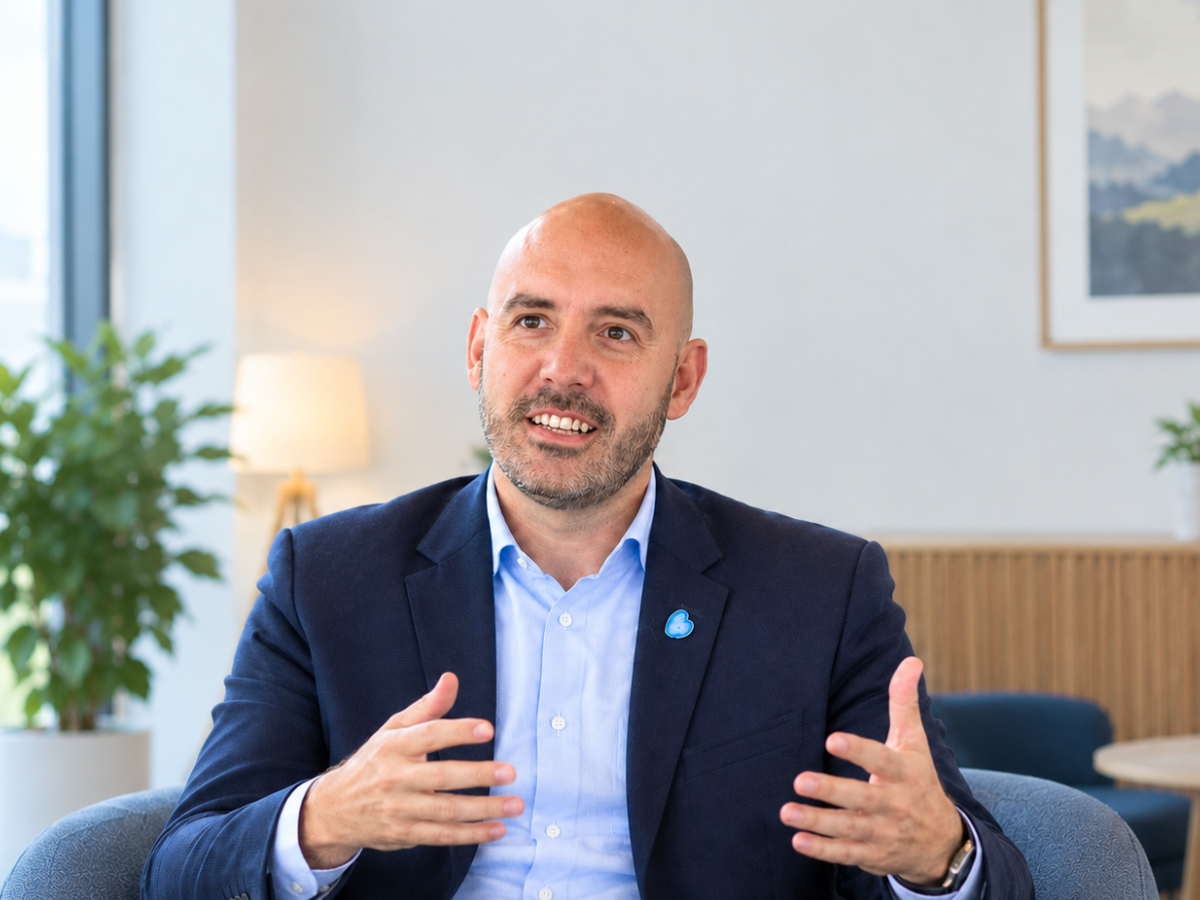
Cara Charles-Barks, The Chief Executive Officer (CEO) of the BSW Hospitals Group (Bath, Swindon and Wiltshire Hospitals Group)
Three NHS hospital trusts in the south west of England are building a single electronic patient record with Oracle Health. The planned go-live date is now October 2027, about a year later than the 2026 target given when the programme was announced. The later date appears in a July readiness update from Royal United Hospitals Bath NHS Foundation Trust, which also reported that a significant proportion of readiness activity had either not started or was at an early stage.
The programme covers Royal United Hospitals Bath, Great Western Hospitals NHS Foundation Trust in Swindon and Salisbury NHS Foundation Trust, which now operate together as BSW Hospitals Group. NHS England approved the plans, and Oracle Health was appointed to deliver the system in May 2024. The Bath and North East Somerset, Swindon and Wiltshire Integrated Care Board committed significant investment across the 2023/24 to 2026/27 financial years, and the announcement said the record would go live during 2026.
The system is designed to hold clinical notes, assessments, appointments and prescribed medicines in one place, visible to staff across all three hospitals. Dr Roger Stedman, the programme's first senior responsible officer, said at the launch that the integrated system would give a complete, instant view of patient data. The trusts say a single record would reduce variation and standardise clinical care across the region. Programme materials also name fewer administrative delays and less duplicated testing among the intended gains.
Early work was extensive. A programme update published after approval reported more than 500 process maps across 20 clinical and operational workstreams, covering emergency medicine, order communications, outpatients and bedside care. It also recorded 104 expected benefits, some releasing cash and some not, and said Oracle Health engineers had visited all three hospitals to observe how patients move through them. The programme set November 2024 to April 2025 as the period in which about 70 per cent of design and development decisions would be made. It described a five-phase roadmap running from planning to measurement of results.
Leadership has changed since then. In October the group named Jonathan Hinchliffe, interim chief transformation and innovation officer, as senior responsible officer, and appointed Claire Strathern, previously of Accenture, as programme director. Staff attended demonstration sessions held over nine days to see the initial build. The group says the workflows will be refined over the coming weeks and months, and that a training package is being prepared for each department.
The July paper from the Bath trust was more cautious in tone. It said applications, workflows and testing were progressing or planned, while readiness for the Electronic Staff Record, communications and go-live preparation were at an early stage or had not begun. Clinical workflow readiness was named as the largest gap and described as essential to safe implementation. At group level, the paper rated as off track the processes for managing change, the clinical safety case, staff engagement, integration and data migration, and the absence of an aligned plan. The trust called for urgent, coordinated action and set a goal of exiting system testing by the end of August 2026. Published material does not make clear whether that goal was met.
Public statements about timing have not been consistent. Group communications reported in October still refer to a 2026 go-live. The Integrated Care Board's investment commitment runs to the 2026/27 financial year, which ends in March 2027, seven months before the date given in the Bath paper.
Other trusts running Oracle systems offer a comparison. Royal Cornwall Hospitals NHS Trust has delayed its own Oracle go-live to support safe patient care and service continuity, a reminder that dates in these programmes are often revised once testing and data migration are under way. The three south west trusts are attempting what their own board papers describe as a first of its type: one integrated record across three separate acute hospital organisations.