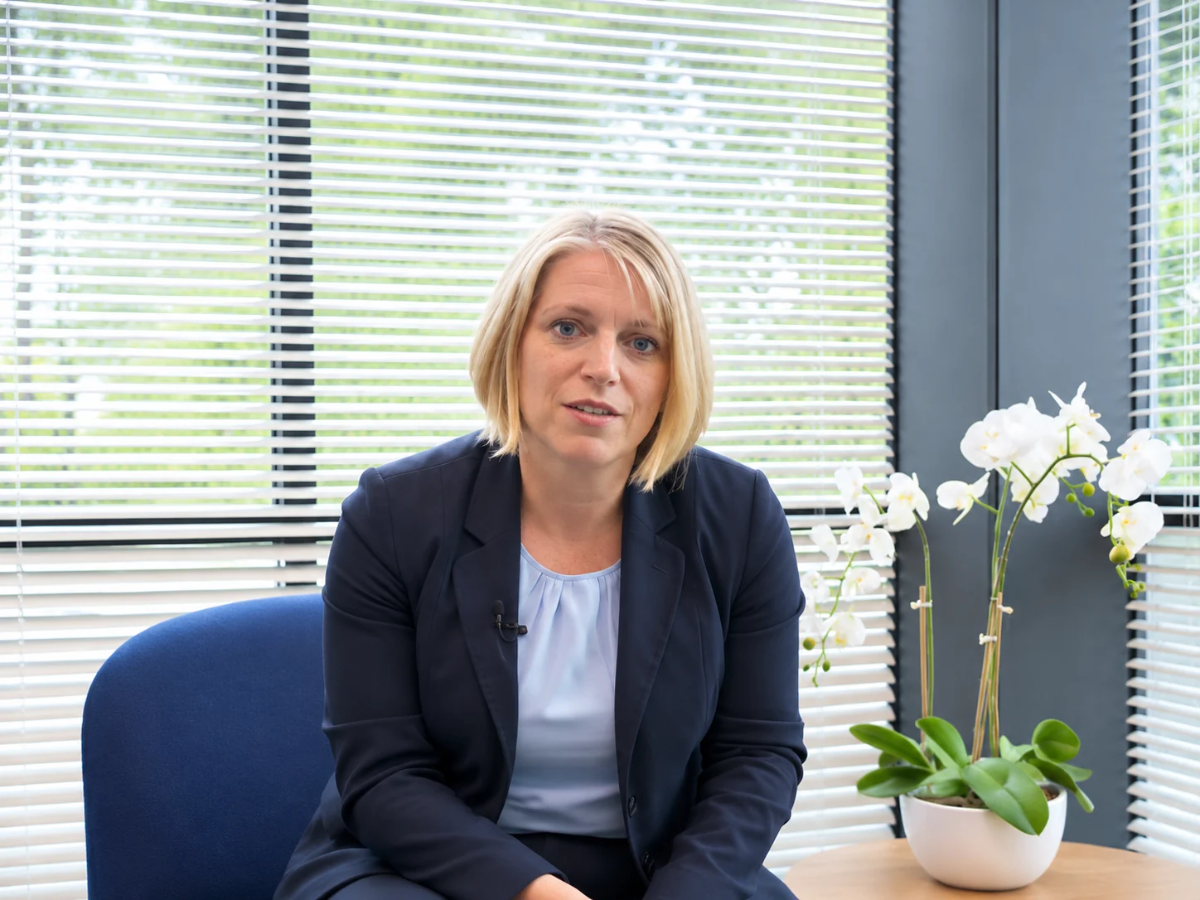
The handover at Betsi Cadwaladr University Health Board carries an awkward message. Carol Shillabeer is leaving Wales’s largest health board for the chief executive role at Lancashire and South Cumbria NHS Foundation Trust, while the organisation she has led remains under the Welsh Government’s highest level of intervention. Her departure follows years of scrutiny and some tangible improvements. It also comes before the board has resolved the problems that brought it into special measures.
The appointment exposes a weakness in public service recovery: progress can be measurable while patients still lack a dependable service. The lesson matters to English NHS leaders, although Wales and England have distinct intervention and accountability systems.
Betsi Cadwaladr entered Level 5 special measures again in February 2023, after concerns about governance, leadership, patient safety and performance. Shillabeer arrived as interim chief executive that May and was later appointed permanently. By the Welsh Government’s three-year review in March 2026, the board could point to improvements. Long waits exceeding two years had fallen substantially. The proportion of children receiving mental health assessments within 28 days had risen to 90 per cent, from 57.8 per cent. Complaint response times had shortened.
The figures show that sustained management attention can change performance. But the review also recorded weaknesses in cancer pathways and emergency care. Ambulance handovers, hospital flow and workforce pressures remained difficult. Waiting-list data problems had forced a temporary suspension of referral-to-treatment reporting.
The gap between improvement and recovery is where the real story sits. A board can improve selected indicators without providing consistent access across its services. It can strengthen governance while patients continue to wait too long. Special measures are intended to maintain pressure until improvement is embedded. Their duration raises a harder question: is intervention building durable capability, or producing a prolonged cycle of oversight?
That question travels into the English NHS, where trusts are being asked to improve productivity while managing constrained finances, high demand and workforce shortages. The government’s reform agenda places greater emphasis on neighbourhood care, prevention and shifting activity away from hospitals. Those ambitions depend on local organisations having the management capacity to redesign services while maintaining day-to-day care. Where leadership teams are consumed by crisis management, transformation becomes another demand on an already stretched system.
Lancashire and South Cumbria NHS Foundation Trust faces a distinct set of challenges. It provides mental health, learning disability and community services across a large area, with thousands of staff. It has made progress in quality and safety, but parts of its acute adult and psychiatric intensive care services have continued to require improvement. Shillabeer will inherit an organisation with its own operational demands, rather than a blank page on which to apply a recovery model developed in Wales.
Her nursing background and experience in mental health, community care and vaccination may prove valuable. The test will be whether she can translate board-level recovery experience into changes staff and patients can see. That means understanding delays, pathway failures, ward vacancies and the capacity of community services to prevent avoidable admissions.
The appointment also highlights the risks of treating chief executives as the principal instrument of institutional repair. Leadership matters, especially when trust has been damaged and governance has failed. But executives cannot resolve structural shortages through personal authority. They need credible workforce plans, reliable information, realistic financial settlements and the ability to work with local authorities and other NHS providers. Without those conditions, a new chief executive may inherit the same constraints under a different organisational name.
Health data is a telling part of the Betsi Cadwaladr story. Waiting-list figures are not administrative decoration. They help leaders identify backlogs, allocate capacity and explain performance. When data quality is unreliable, operational decisions become harder and public accountability weakens. England’s expanding use of digital platforms and data-driven tools makes this lesson more pressing. Technology can improve coordination, but only where information is accurate and staff have the time and training to use it.
There is a political dimension, too. Wales and England have different structures for health service accountability, funding and intervention. Shillabeer’s move should not be read as a direct verdict on either system. It does invite scrutiny of how governments judge recovery and how much responsibility they place on individual boards. Ministers need to distinguish between failures local leadership can correct and problems rooted in national workforce supply, capital constraints or fragmented services. Otherwise, intervention risks becoming a visible response to causes that sit beyond the boardroom.
For patients, success is whether a cancer referral moves promptly, an emergency department admits safely, a child receives mental health support before crisis and a complaint receives an answer. Better governance matters only insofar as it makes those experiences more reliable.
Shillabeer leaves Betsi Cadwaladr with evidence of progress and an unfinished recovery. Her next appointment will test how far that experience can travel into a different NHS organisation. The lesson is clear: special measures, performance targets and leadership changes can create pressure for improvement, but lasting recovery requires the capacity to deliver ordinary care well, every day. That is the standard by which her record in Wales and her leadership in Lancashire should be judged.