
.png)
Wes Streeting has said he is prepared to trigger a Labour leadership contest as early as next week if Sir Keir Starmer does not voluntarily stand aside following Thursday's Makerfield by-election. Speaking to BBC Newsnight, the former health secretary said the party could not continue with "uncertainty and paralysis" and that, if the prime minister did not act, he would move to initiate a contest himself. It is the most direct public move against Starmer since the leadership crisis began to intensify.
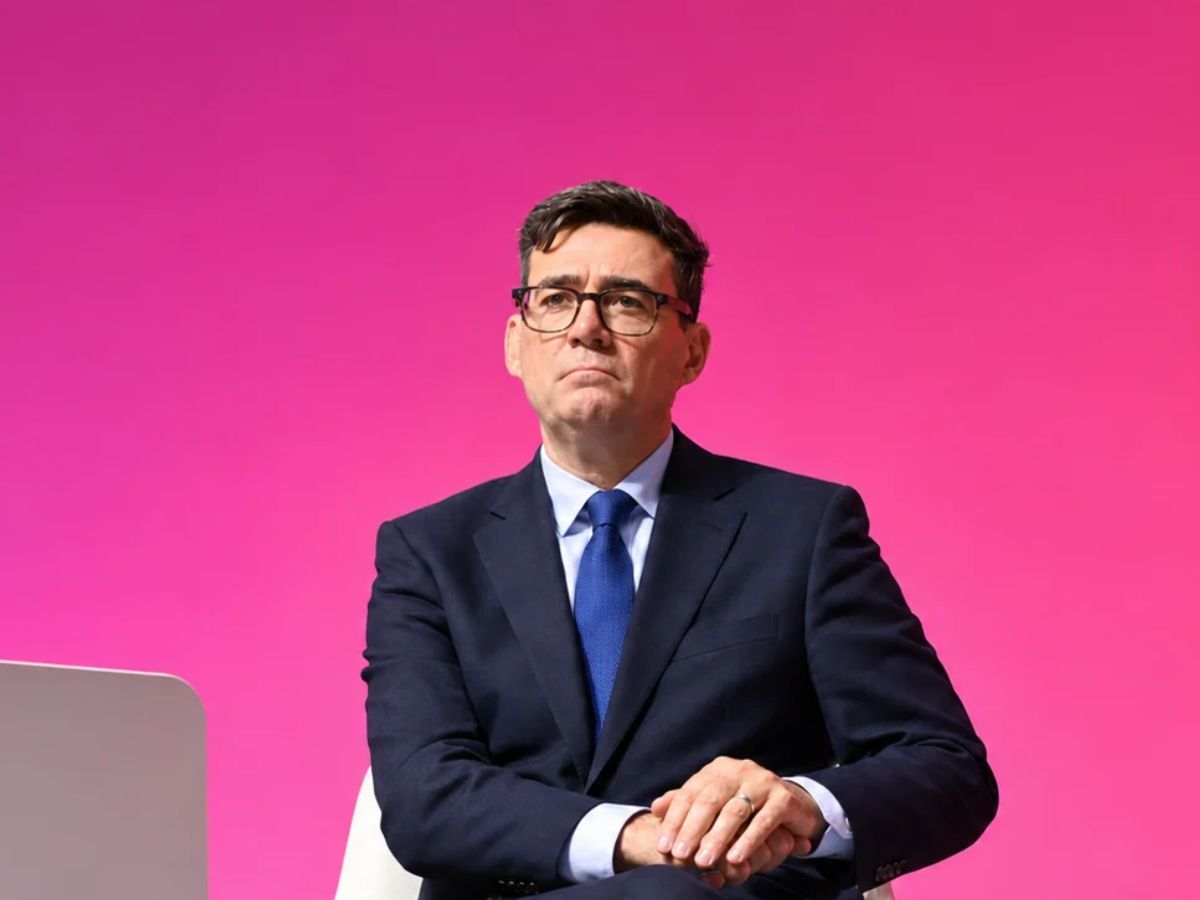
Until this week, neither Streeting nor Greater Manchester Mayor Andy Burnham had been willing to say outright that they would force the issue. Both have confirmed they intend to stand in any contest, but each had previously left the question of who would pull the trigger unanswered. Burnham is currently standing in the Makerfield by-election, where a win would return him to Parliament. This is significant since Burnham's capacity to take action has up to now been limited by the procedural restriction that only sitting MPs may formally start or enter a Labour leadership election. If he wins the seat, that changes immediately.
Starmer, speaking to reporters at the G7 summit in France, said he had no intention of leaving office. He reiterated his commitment to carry on with what he was elected to do and said he would not walk away. His position remains that he should be given time and space, a phrase Streeting himself used, albeit as a conditional rather than a concession.
Streeting spent much of Tuesday making his own pitch to the public and to the Labour membership. He rejected using a leadership campaign to make costly or popular promises that would later have to be undone at a speech in central London. He said tax on employment should come down when public finances allow, called for capital gains tax to be equalised with income tax rates, and confirmed the triple lock on pensions would remain in place for the rest of this Parliament. On energy, he suggested that Energy Secretary Ed Miliband should approve North Sea oil and gas drilling licences for the Rosebank and Jackdaw fields, arguing there was a practical case for domestic gas production over imports.
The speech also served to draw visible lines between himself and Burnham on economic policy. Streeting warned against treating bond markets as adversaries, cautioning that a "reckless approach" to government borrowing would damage the country. The reference was pointed. Burnham had previously told a magazine that Labour needed to move beyond being "in hock to the bond markets," a position Streeting did not name directly but which few in the room would have missed. The two candidates also diverge on how to characterise the economic history of northern England. Burnham has argued the north suffered forty years of neoliberalism. Streeting rejected that framing as oversimplified, describing instead several waves of economic change with both gains and lasting damage.
In a race against Burnham, who polls indicate is more popular among Labour members, Streeting said he would probably be the underdog. He said he could still win by making the case that he was better placed to win a general election and to hold together the party's centre and left. He also said that, if he became prime minister, he would not call an early election and would govern for the rest of the current parliamentary term.
The Makerfield result on Thursday now functions as the immediate pressure point. If Burnham wins, he enters Parliament with the ability to formally join a leadership race. Streeting has already said he has the backing of the 81 MPs required to trigger a contest under party rules. Should Starmer not announce his resignation over the weekend, the mechanism for a formal challenge will be in place. The question is whether either man moves first, or whether the prime minister acts before they do.



.jpg)
.jpg)