
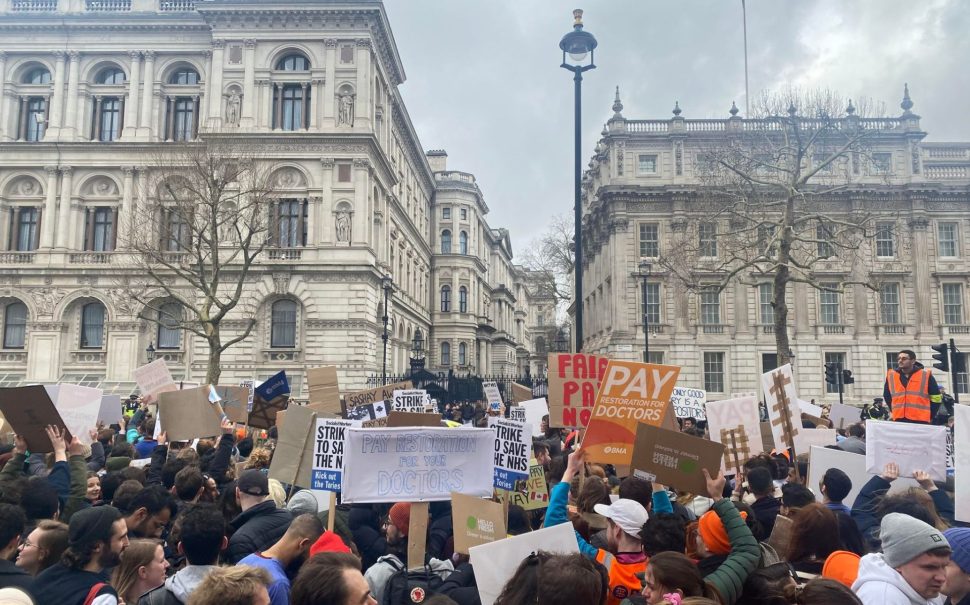
Health Secretary Wes Streeting has revealed an assertive package in a firm move to prevent a scheduled five-day walkout by junior doctors from December 17th to 22nd. This eleventh-hour effort, introduced as hospitals grapple with an unusually early and intense winter flu surge, includes a commitment to emergency legislation. The core of the offer combines expanded training places and priority access for UK graduates; new legal powers will prioritise domestic trainees.
The timing of these events remains highly volatile given the current clinical situation. NHS England's recent winter data revealed that 1,717 flu patients occupied hospital beds daily last week. This represents a 50% increase since last year and marks one of the highest early-season burdens ever recorded. Health leaders caution that the surge has "no peak in sight" and warn that further industrial action could dangerously strain frontline capacity.
Officials state Streeting's plan aims to tackle limited career progression and reduce reliance on international recruitment in the medium term. The package proposes a substantial expansion of speciality training places, with reports suggesting a doubling of posts and the creation of thousands of new opportunities. Furthermore, it includes a proposal for emergency primary legislation to prioritise UK medical graduates in the allocation of training posts.
Medical unions have responded cautiously to the offer. The British Medical Association (BMA) is consulting its members on the proposal, and they expect results from ballots and surveys in mid-December. Although some doctors welcomed parts of the package, many cautioned that the proposals do not go far enough to restore pay and address workload problems; the main factors behind the ongoing industrial disputes. Crucially, the BMA's leadership has stressed that any legal action to limit strikes would be highly controversial and could damage relations with the medical profession.
Emergency legislation to alter training allocation rules presents significant legal and practical difficulties. Such a move could face parliamentary scrutiny, challenges under human rights and employment law, and practical hurdles because recruitment systems change rapidly. Critics also caution that simply prioritising domestic graduates will not solve workforce shortages if you do not address underlying issues of retention, rota design, and working conditions; this risks simply displacing shortages elsewhere. Furthermore, it could discourage overseas clinicians, who remain crucial to the NHS workforce. Commentators from both the medical and legal fields strongly advise against using legal compulsion and instead advocate for a negotiated settlement.
NHS England has established operational contingency plans. In previous industrial action, national guidelines and local decisions successfully prioritised the most critical and planned care; NHS England noted that trusts completed over 95% of scheduled elective procedures during the November dispute. However, this mitigation is costly: trusts relied on consultant coverage, agency workers, and deferred non-essential tasks to sustain essential services. These steps inflate expenses and place pressure on senior medical staff. Given the sharp rise in flu-related hospitalisations, recurring strikes would necessitate even more difficult compromises.
The situation is critical. The Health Secretary's reliance on emergency legislation could temporarily ease pressure, but it risks intensifying disagreements precisely when internal conflict makes the NHS most vulnerable. The days ahead will reveal if legislative action can truly replace a sustainable agreement with the workforce, or if only genuine negotiation will stabilise services throughout this dangerous winter period.



.jpg)
.jpg)
.jpg)