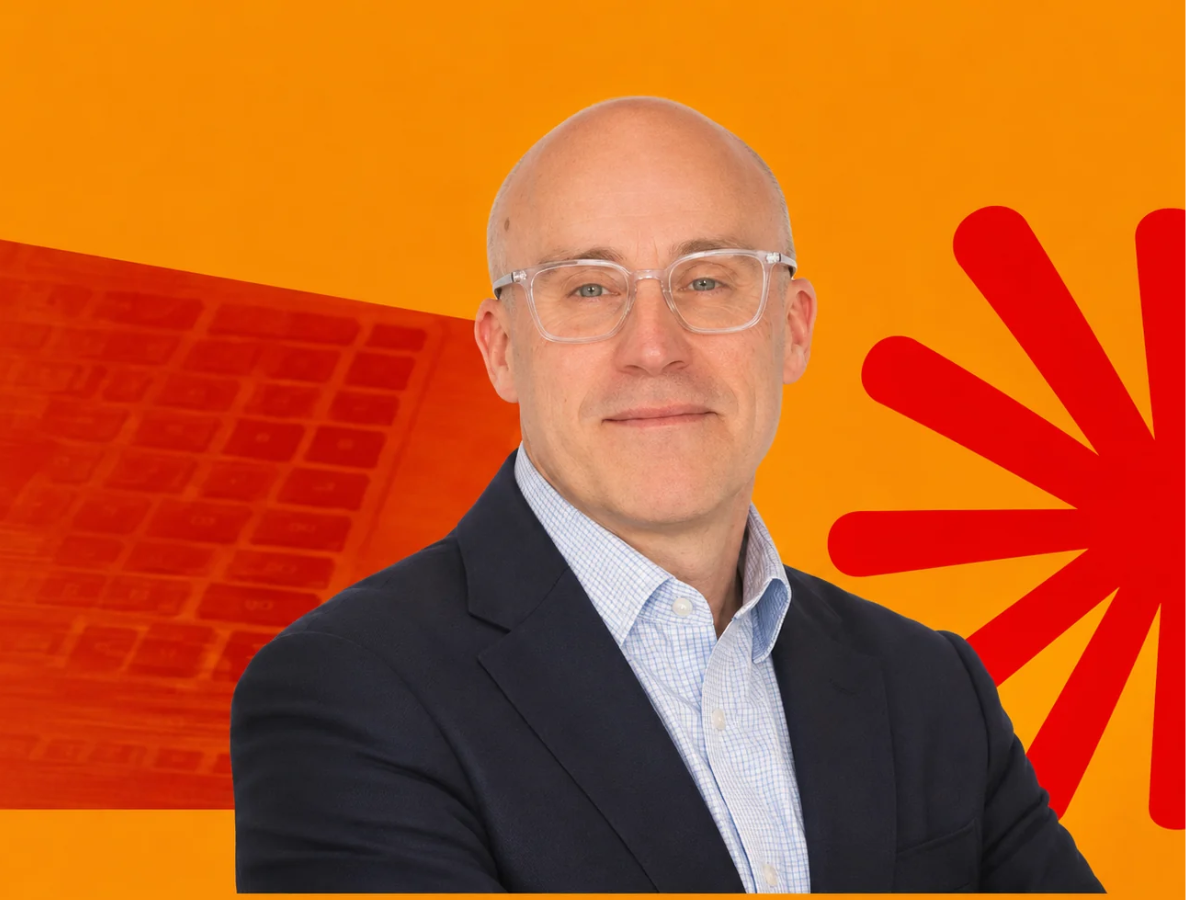
E. Britt Brockman MD, Board of Trustees, Chair; and Executive Committee, Chair.
When the University of Kentucky's trustees met this week, the item that mattered most to patients was not a research grant or a new cancer centre. It was a 105-bed skilled nursing facility, to be built on the Hamburg East campus in Lexington with a private operator. The stated reason was plain. Limited nursing capacity in the city had made it harder to place patients who were ready to leave hospital. Any NHS manager who has stood in a bed meeting at eight in the morning will recognise the sentence.
The chair of that board is E. Britt Brockman, an ophthalmologist and former managing partner of an eye practice who also held a stake in an ambulatory surgery centre until 2018. He has chaired the trustees since 2008, with a gap of under a year in 2020 and 2021, and led the search that produced the university's twelfth president. The press release does not name him as the author of the venture, and a chair should not be credited with decisions that executives design. But governance continuity is itself a variable, and the Kentucky arrangement shows what it can make possible.
The deal is structured with some care. The university's affiliate holds 60 per cent and the operator's affiliate 40 per cent. The operator runs the building day to day, while the academic health system supplies clinical leadership and a medical director. A ten-member board of governors, split between the two parties, oversees the whole. Ownership, management and clinical accountability are separated and then reconnected, which is harder to achieve than it sounds.
Compare that with the English position. Tens of thousands of hospital days are lost each month to patients who are medically fit to leave but have nowhere suitable to go. The cause sits largely outside the acute trust, in social care capacity funded by local authorities under severe strain. Trust boards can describe the problem accurately and still lack the levers to fix it. The government has set up an independent commission on adult social care, and its 10 Year Health Plan promises a shift of care into neighbourhood settings, yet neither answers who builds and runs the intermediate beds in the meantime.
Kentucky's answer is to let the hospital system take an equity stake in the step after discharge. That carries real risks. A 40 per cent private share invites questions about whether commercial incentives will shape admission decisions, staffing levels and the pressure to fill beds. NHS leaders working under public scrutiny would face those questions more sharply than their American counterparts. The transfer of risk is also not free, since a hospital that owns the nursing beds owns their losses.
Still, the model deserves more attention than it receives. Integrated care boards hold the commissioning role but rarely the capital, and foundation trusts hold the capital but face limits on how freely they can use it outside their core remit. Brockman's background is relevant here in a modest way. Ambulatory surgery is the American cousin of the surgical hubs that NHS England has backed to cut elective waiting lists, and boards that have lived through that shift tend to be comfortable with hybrid ownership.
What can be said about him with confidence is limited and still instructive. A chair who stays through two terms and a presidential succession builds institutional memory that short-tenure boards lack. NHS trust chairs turn over quickly, and ministerial reorganisation periodically resets the system around them. Long-horizon projects such as a phased campus development, begun with a public-private partnership authorised in April and a groundbreaking this month, depend on someone remembering why they were started.
Whether Brockman is excelling cannot be settled by a press release. The facility has not opened, its outcomes are unmeasured, and the board's own account is the only one available. The sounder conclusion for UK leaders is narrower. Discharge capacity is a governance question before it is a funding one, and boards that treat it as someone else's problem will keep waiting for someone else to solve it.