
Robotic-assisted surgery is rapidly moving from a specialist innovation to a core component of modern healthcare delivery. In June 2025, NHS England announced plans for half a million operations a year to be supported by robotic surgery by 2035, up from around 70,000 procedures in 2023/24. The NHS also predicts that nine out of ten keyhole surgeries will involve robotic assistance within the next decade, demonstrating the growing importance of this technology across the healthcare sector.
The announcement reflects a broader shift in how healthcare providers are approaching surgical care. As healthcare systems focus on improving access, efficiency and patient outcomes, both NHS and independent providers are investing in technologies that can deliver higher-quality care while supporting more streamlined patient pathways.
Importantly, robotic-assisted surgery does not replace the surgeon. Instead, it enhances a clinician's ability to perform complex procedures with greater precision, control, and visualisation. Using advanced instruments and three-dimensional imaging, surgeons can operate through smaller incisions, often reducing trauma to surrounding tissue and enabling faster recovery for patients.
The growing adoption of robotic surgery is being driven by its potential benefits for both patients and healthcare systems.
For patients, robotic-assisted procedures can mean less postoperative pain, reduced scarring, shorter hospital stays, and a quicker return to everyday life. NHS England has highlighted faster recovery and reduced length of stay as key advantages of robotic surgery, particularly as healthcare providers look to improve patient flow and reduce waiting times.
For healthcare organisations, the benefits extend beyond individual outcomes. More efficient surgical pathways can help increase capacity, reduce pressure on inpatient beds, and support targets for elective recovery. NHS leaders have identified robotic-assisted surgery as one of the technologies that can support efforts to reduce waiting lists while maintaining high standards of clinical care.
The technology is also evolving rapidly. While once primarily associated with urological cancer procedures, it is now being used across a much wider range of specialties.
One of the most significant recent developments has been the introduction of single-port robotic surgery.
Traditional minimally invasive surgery often requires multiple small incisions to accommodate cameras and surgical instruments. Single-port systems enable surgeons to perform operations through a single incision, further reducing the physical impact of surgery on the patient.
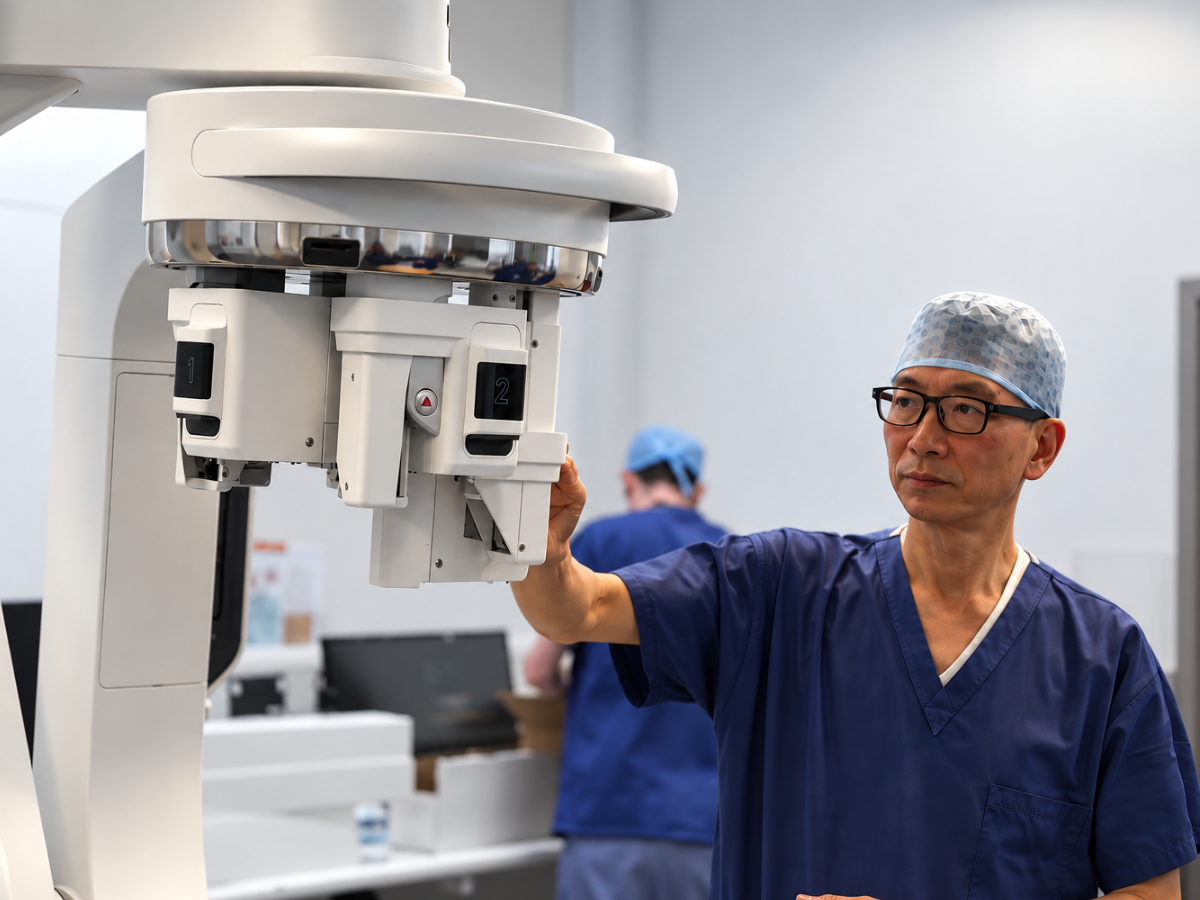
In 2025, Cromwell Hospital became one of only a small number of hospitals in the UK to introduce the da Vinci Single Port (SP) robotic-assisted surgical platform. More than one year on, the programme has demonstrated how advanced robotic technology can be implemented successfully across multiple specialties while delivering meaningful benefits for patients.
Over the past 18 months, Cromwell Hospital has developed one of the UK's most comprehensive single-port robotic surgery programmes, supported by a multidisciplinary team of surgeons, theatre staff, and clinical specialists.
The Hospital has become a pioneer in the use of the technology, performing procedures across gynaecology, urology, colorectal, thoracic, general, and hepato-pancreato-biliary surgery. It has also been among the first centres in the country to apply single-port robotics across such a wide range of complex procedures.
The results have been encouraging. Early outcomes suggest reductions in length of stay and improvements in recovery times for patients undergoing robotic-assisted procedures. For endometriosis patients, Cromwell reported a reduction in average length of stay from 1.9 days to 1.2 days following robotic surgery, representing a 37% decrease. The hospital has also reported positive outcomes in robotic urological procedures with respect to urinary continence and erectile function following prostate surgery.
These outcomes closely align with the wider ambitions outlined by NHS England, which sees robotic surgery as an important tool for improving efficiency, supporting faster recovery, and creating more sustainable care pathways for the future.
The future of robotic-assisted surgery is no longer a question of whether it will become mainstream, but how quickly healthcare systems can realise its full potential.
With NHS England forecasting a seven-fold increase in robotic procedures over the next decade, the technology is set to become a routine part of surgical care for millions of patients. At the same time, innovations such as single-port robotics will continue to push the boundaries of what is possible in minimally invasive surgery.
For Cromwell Hospital, the first year of its single-port programme demonstrates how investment in technology, clinical expertise, and collaborative learning can translate into better patient outcomes. As robotic surgery becomes increasingly embedded across UK healthcare, programmes like Cromwell's provide an important example of how innovation can support both exceptional patient care and the long-term sustainability of healthcare services.



.jpg)
.jpg)