
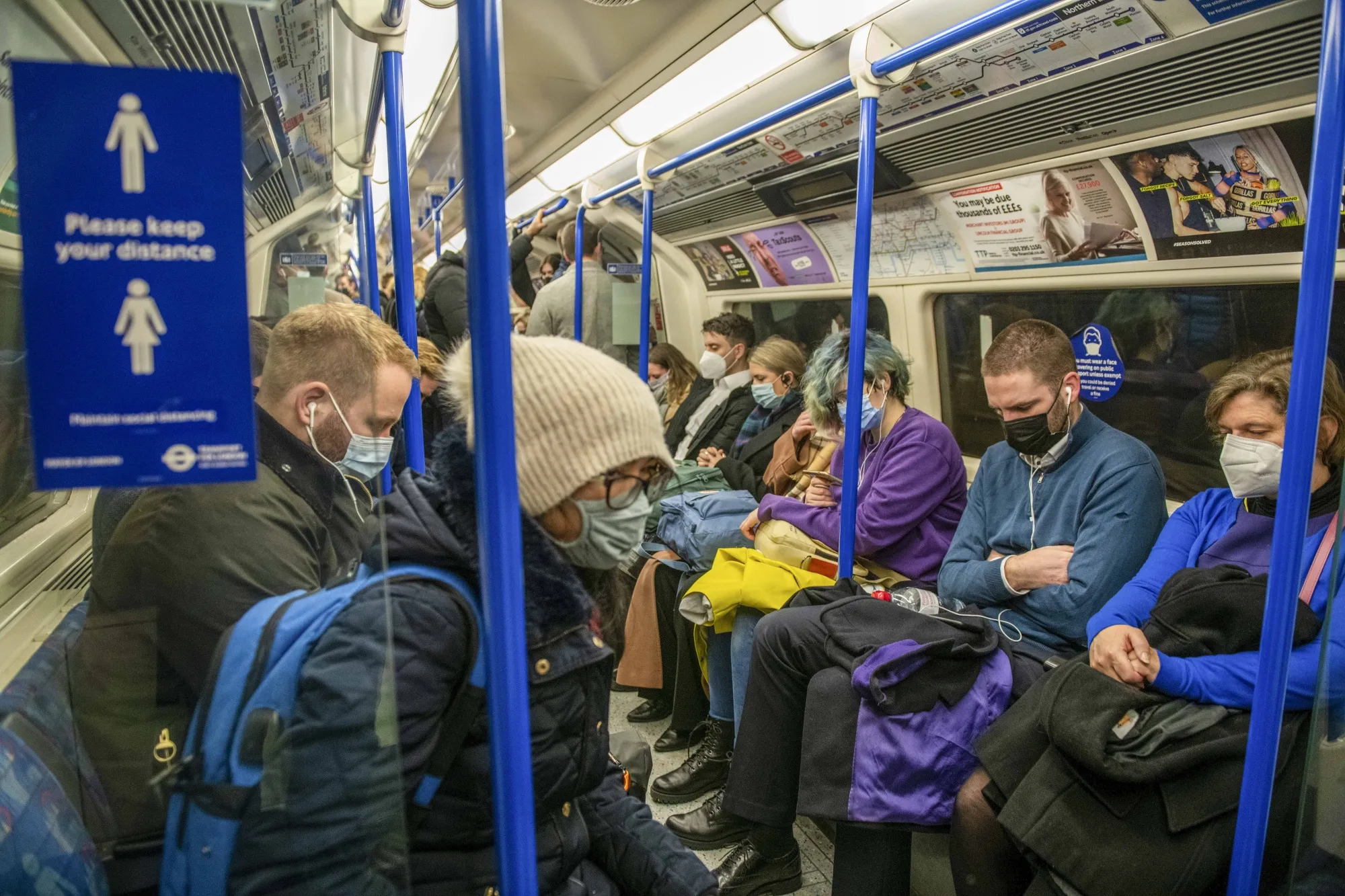
Health leaders are urging people with cold and flu symptoms to wear masks in public spaces as the United Kingdom faces what officials describe as an unusually intense and early spike in seasonal illness. The call follows rising flu admissions across several regions and increasing pressure on urgent and emergency care departments.
Daniel Elkeles, chief executive of NHS Providers, said the country is experiencing a significant strain of flu that has begun circulating earlier than in recent years. He described the situation as a “tidal wave” of illness, noting that trusts are reporting high rates of respiratory infections that are placing additional demands on already stretched services. He advised that those who are coughing or sneezing should wear face coverings on public transport and in other enclosed or crowded environments to reduce transmission.
The guidance echoes practices widely adopted during the Covid pandemic, when face masks were recommended to curb the spread of respiratory viruses. Although formal national mandates are not being reintroduced, senior NHS leaders believe voluntary action from the public could help slow transmission and reduce the number of people requiring hospital care in the coming weeks. Hospitals have already begun planning for increased pressure on acute beds, diagnostics and staff availability due to seasonal illness and winter demand.
Public health data indicates that flu cases have risen rapidly since late autumn, with the current strain linked to higher rates of fever, respiratory symptoms and extended recovery times. General practice reports show increased numbers of consultations for flu-like illness, particularly among working-age adults and children. Some regions are also seeing early increases in respiratory syncytial virus, contributing to pressure across paediatric units.
Trust leaders say the timing of the surge is a concern because the peak appears to be arriving earlier than expected. This has implications for capacity planning, vaccination uptake and workforce resilience. Many hospitals continue to face high demand from delayed discharges, backlogs in elective care and ongoing staffing shortages. A sharp rise in flu cases risks slowing recovery efforts and increasing waiting times in emergency departments.
Officials are also encouraging eligible groups to take up the flu vaccine, which remains the primary tool for reducing severe illness. Uptake in some cohorts is lower than anticipated for this point in the season. Public health teams are expected to increase communication campaigns over the coming weeks to reinforce messaging on vaccination, hand hygiene, mask use when symptomatic and staying at home where possible.
NHS leaders emphasise that mask wearing for those who are unwell is a simple measure that has the potential to reduce community transmission significantly. Trusts are preparing for further rises in admissions throughout winter and have advised the public to be mindful of measures that protect both themselves and vulnerable groups, including older adults and those with underlying health conditions. Further updates will be issued as national surveillance data becomes available and as health services continue to assess the impact of the early influenza wave.



.jpg)
.jpg)
.jpg)