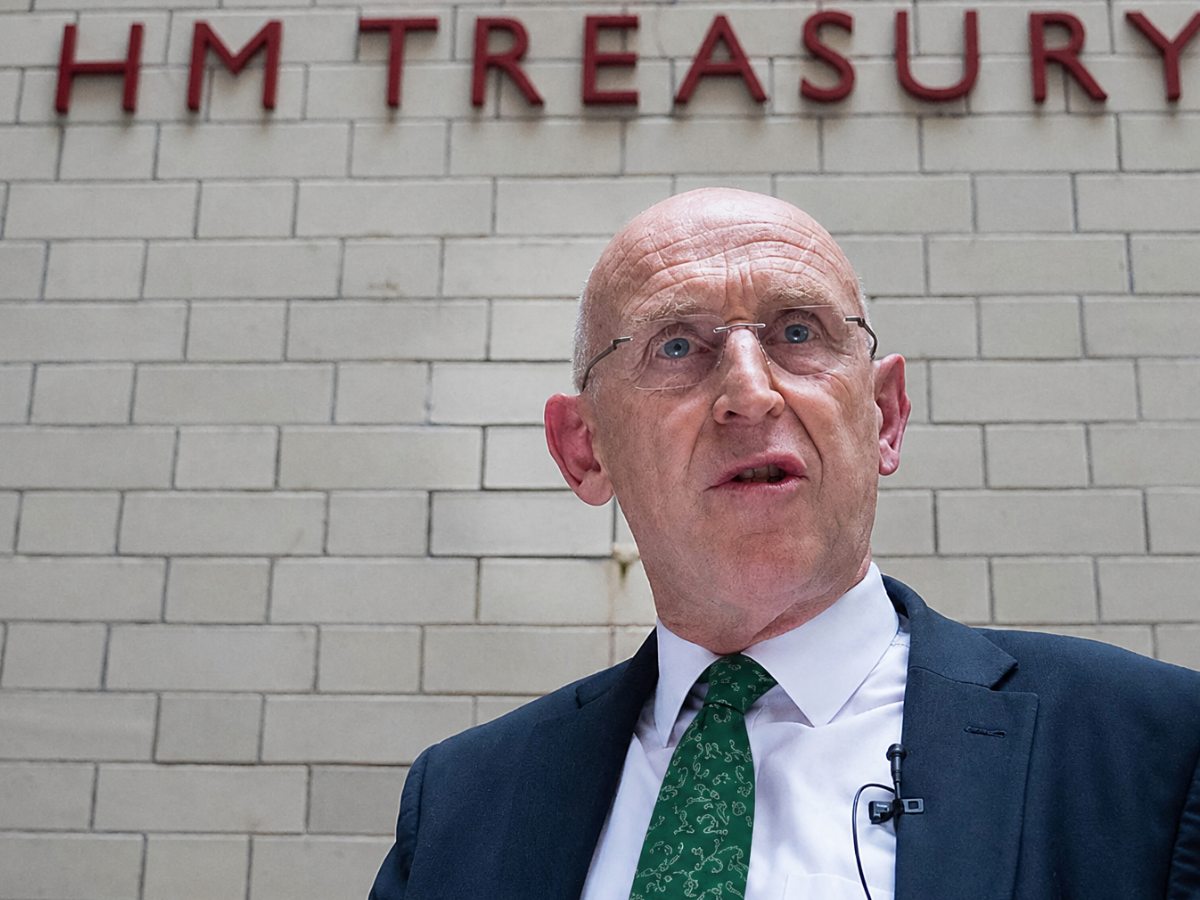
The UK Treasury has initiated a new, wide-ranging spending review across all government departments, spearheaded by Chief Secretary James Murray, with the explicit goal of eliminating "wasteful expenditure." This initiative includes a focus on identifying potential efficiency savings within the health and social care sectors.
Budgets will be rigorously scrutinised line-by-line, with external experts enlisted to evaluate spending practices and pinpoint where savings can be realised without compromising frontline services. Chancellor Rachel Reeves and the Treasury maintain that the objective is not austerity but achieving better value for money, ahead of the major 2027 Spending Review for the 2028–30 budgets. A key element of the plan is to improve inter-departmental cooperation and prevent duplication, particularly in high-potential sectors like health, homelessness, youth services, and infrastructure.
Despite the 2025 Spending Review protecting the NHS with a real-terms budget increase, watchdogs like the Nuffield Trust continue to point to substantial fiscal pressures, making it challenging to meet ambitious targets such as reducing waiting lists and modernising digital systems. This new efficiency review significantly increases scrutiny on how NHS funds are deployed and whether investment demonstrably translates into improved patient benefit.
The Treasury's intervention follows prolonged concerns about inefficiency and overspend across public services. A late 2025 Public Accounts Committee (PAC) report highlighted that billions spent on NHS waiting list transformation programmes had failed to meet key recovery targets, and diagnostic waits remain high, raising serious questions about the value derived from existing spending.
The review challenges departments to find efficiency savings of approximately 5% in day-to-day spending—a target Chancellor Reeves considers essential for safeguarding core public services without overall budget cuts. While Reeves insists that longer-term spending growth will continue, departments must eliminate waste to better prioritise national needs.
Specifically for health, NHS England and the Department of Health and Social Care (DHSC) are expected to face intense questioning on programme performance, procurement value, and outcome-based spending, particularly concerning large allocations for digital transformation, elective care hubs, and workforce initiatives. This is likely to lead to tighter performance monitoring and benchmarking to ensure taxpayer money genuinely improves patient services.
Critics, including experts from the Institute for Fiscal Studies (IFS), caution that without a strong evidence base, such exercises risk becoming cost-cutting at the expense of quality. They argue that Treasury decisions must be rooted in rigorous evidence of welfare impact, warning against political preferences overshadowing technical analysis of actual spending achievements. This is particularly relevant to health, where the benefits of long-term projects like digital overhaul and AI systems often take years to materialise, meaning simplistic efficiency metrics could misrepresent long-term value.
However, proponents argue that the NHS has clear opportunities for efficiency gains through reducing administrative duplication, optimising estates, and cutting the reliance on expensive consultants and temporary staff. They suggest systemic benchmarking in these areas could deliver savings without reducing frontline capacity. The review is set against the backdrop of the government’s commitment to slower growth in departmental budgets to balance fiscal sustainability with service needs. While health spending is expected to continue rising in real terms, the constrained rate compared to recent years will intensify pressure on departments to prove value for money.
Integrated care boards (ICBs) and many trusts may soon be required to justify expenditure on high-cost initiatives, with a direct focus on measurable improvements in patient outcomes and system efficiency. Investments in areas such as workforce training, digital records, and diagnostic capacity will likely be scrutinised against metrics like waiting list data, productivity scores, and health inequalities measures.
The Treasury's review underscores a mounting expectation that public finances, including UK health spending, must deliver clear, tangible results for citizens. The efficiency with which the NHS uses every pound will be critical to both the political discourse and patient experience as it continues to grapple with backlogs, workforce strain, and escalating demand.


.jpg)
.jpg)
.jpg)