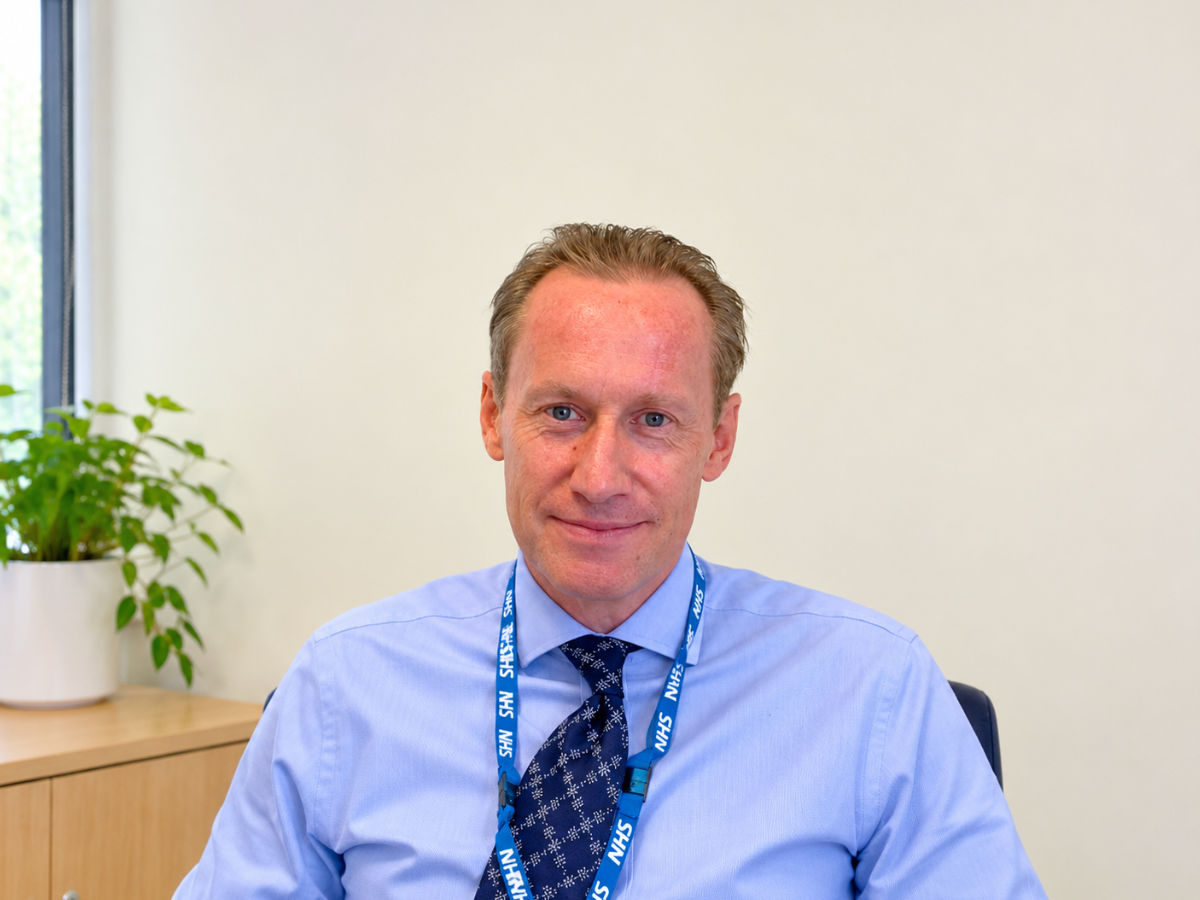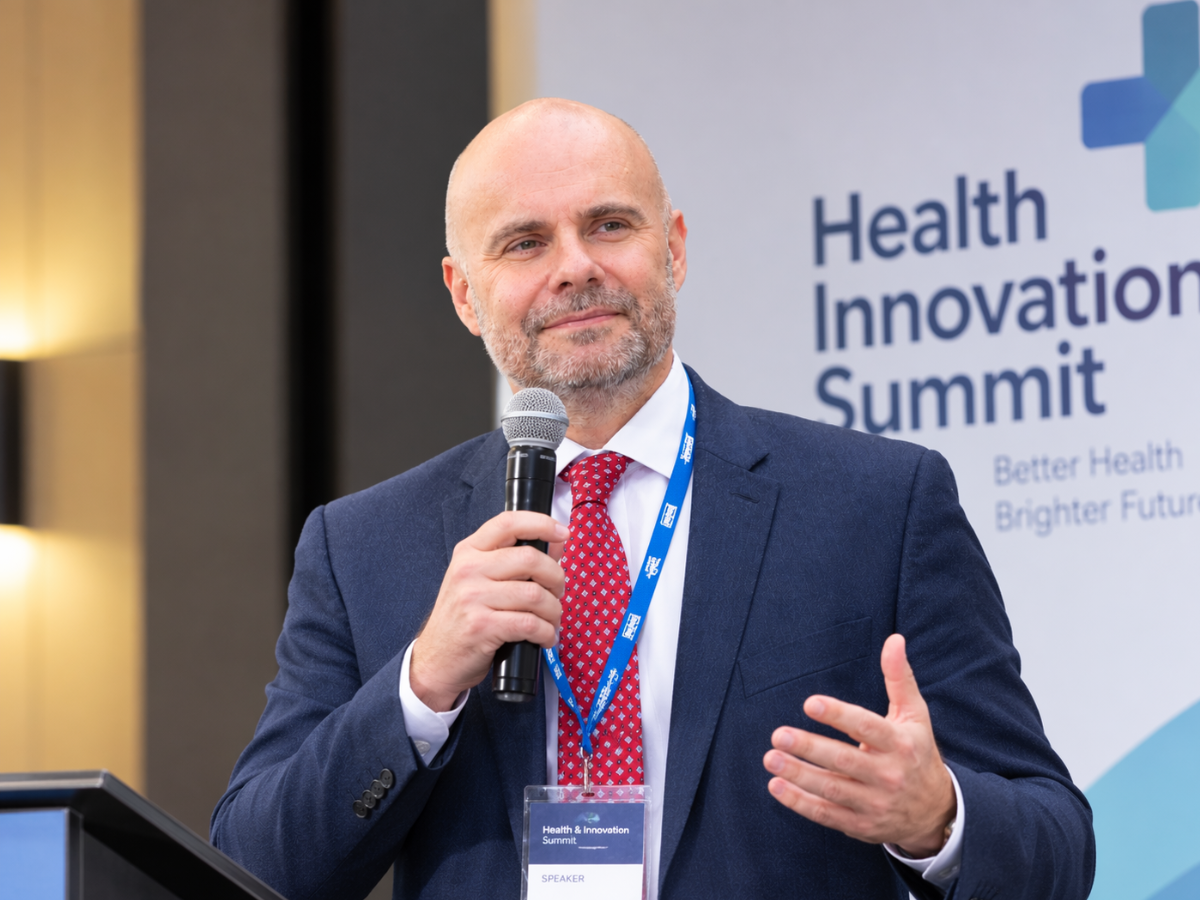
Dr. Ify Okocha , Chief Executive Officer, Oxleas NHS Foundation Trust
Oxleas NHS Foundation Trust is reporting strong performance in some mental health services while facing significant challenges in waiting times, hospital pressures and financial recovery, according to its November 2026 Board papers. The figures place Chief Executive Dr Ify Okocha's leadership under scrutiny as the Trust balances service improvements against a £63.5 million three-year savings programme.
Okocha, who has led Oxleas since 2021, brings a clinical background to the role. A psychiatrist by training, he qualified in medicine in 1985 and became a consultant in 1996. Before becoming chief executive, he served as the Trust's Medical Director and Deputy Chief Executive, giving him experience across both clinical leadership and organisational management.
One of the strongest areas of performance is crisis care, with 96% of mental health crisis patients seen within 24 hours. Community physical health services have also recorded positive results, with 98.2% of adult physical therapy patients seen within 18 weeks. However, the wider waiting-time picture is less encouraging. Overall compliance stands at 63%, rising to 85% when neurodevelopmental cases are excluded.
Adult ADHD services remain a major pressure point. Average waits have reached 70 weeks, with 7,989 people on the waiting list and more than 4,600 waiting over a year. Across adult neurodevelopmental services, the number waiting exceeds 8,900. The figures highlight the scale of demand facing the Trust and the difficulty of improving access to specialist assessments.
Children's services have recorded some progress. The number of children and young people waiting more than 52 weeks for CAMHS appointments has fallen by 45% to 1,791, following the commissioning of external private assessments. Nevertheless, 8% of CAMHS referrals in Greenwich are still waiting more than a year. Data on waits exceeding two years remains under validation and should therefore be treated as provisional.
The challenge is not new. In September 2024, Okocha publicly highlighted the need to improve access to children's mental health and neurodevelopmental services as part of a wider south-east London transformation plan. The latest figures suggest that, despite efforts to increase assessment capacity, substantial waiting-list pressures remain.
Hospital delays add another layer of concern. At Queen Elizabeth Hospital, 33% of mental health patients attending the emergency department waited more than 12 hours, compared with 17% at Princess Royal University Hospital. Across regional hospitals, 16 patients experienced waits exceeding 72 hours in September, with the longest delays reaching between 89 and 124 hours. These hospitals are run by other NHS trusts; Oxleas provides mental health services in partnership with acute hospital providers.
Inpatient pressures are also affecting patient flow. Average adult acute mental health stays stand at 41 days, rising to 107 days for older adults. Delayed discharges are linked to shortages of supported housing and care-home placements, alongside high occupancy in psychiatric intensive care units.
Financial recovery is another central issue for Okocha and the executive team. The Trust's three-year cost improvement programme totals £63.5 million, equivalent to around 11% of turnover, with £38.9 million required in the current year. However, the Board papers identify forecast savings shortfalls of £4.59 million in acute mental health and £4.42 million in community mental health.
Okocha has addressed the financial challenge publicly through Oxleas' Living Within Our Means programme. In a video update, he discusses the need to reduce costs while protecting patient care, pointing to rising demand, increasing NHS costs, productivity and the need to eliminate waste. The message reflects the difficult balance facing the Trust: delivering substantial savings without undermining services already under pressure. Reliance on non-recurrent measures, including vacancy freezes, and limits on capital investment across the integrated care system add to the challenge.
The Board papers also raise concerns about staff assaults and verbal abuse, racist incidents, sickness absence and reliance on bank and agency workers. Governance priorities include responding to the Thirlwall Inquiry, strengthening mortality-data oversight and ensuring staff can raise concerns without fear of institutional repercussions.
Oxleas is also pursuing neighbourhood-based care, with partnerships intended to improve coordination between community health and local services. Okocha has supported this direction, including the appointment of neighbourhood integrators across all six south-east London boroughs in 2025.
For the chief executive, the challenge is now to translate these ambitions into measurable improvements. Strong crisis response figures provide evidence of progress, but lengthy ADHD waits, delayed hospital discharges and a substantial savings requirement show the scale of work still ahead.