
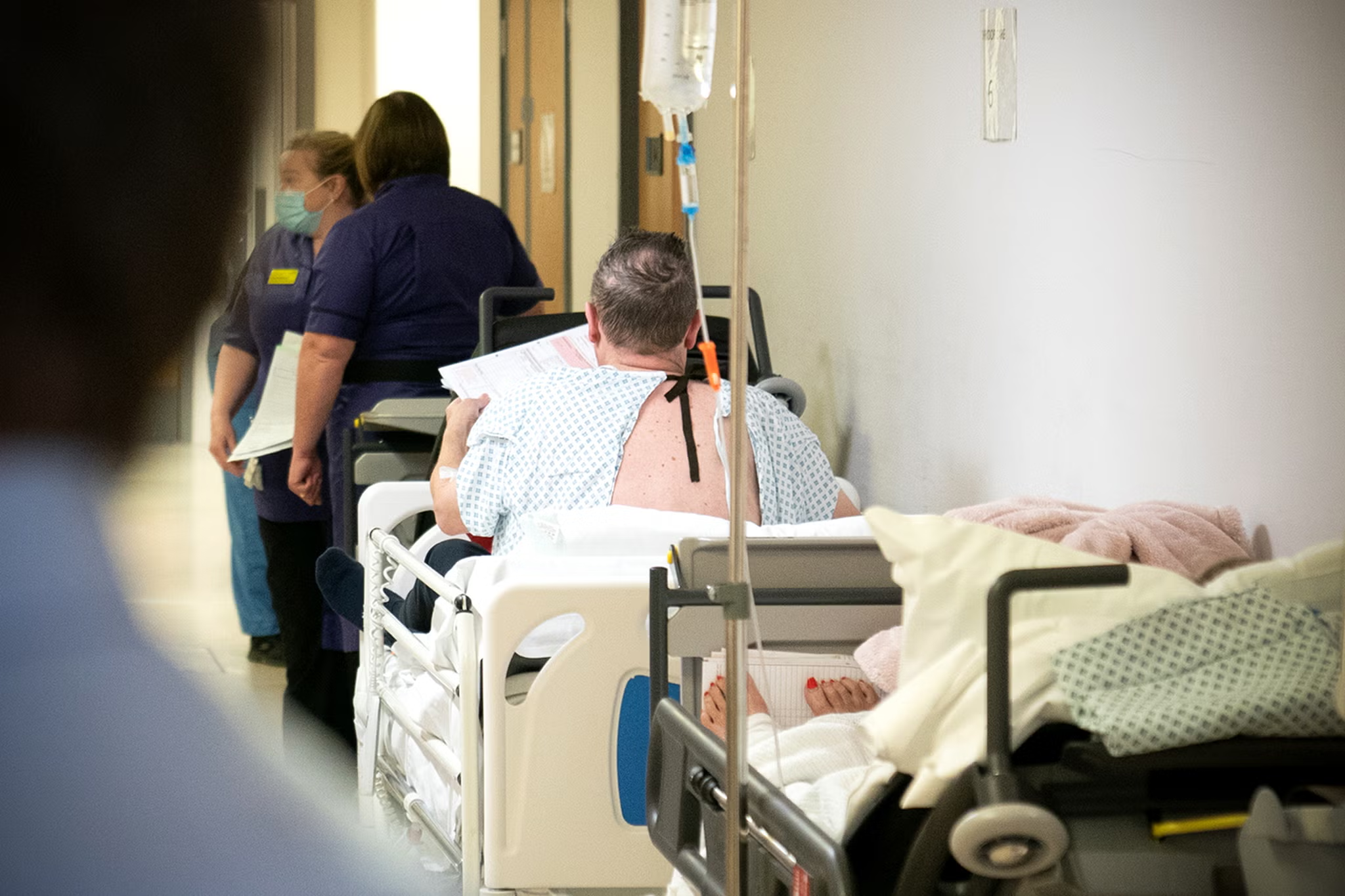
The figure is stark and shameful. One million patients in the past year have been treated in hospital corridors. This is not a statistical outlier or a seasonal surge. It is the normalisation of indignity and risk inside a health service built on the promise of universal, compassionate care. Corridor care means the elderly, the frail and the acutely unwell are left on trolleys or chairs, often without privacy, proper monitoring or even basic access to call bells and toilets. It has become the most visible symptom of a system buckling under profound and prolonged undercapacity.
The root cause is a failure of flow. Hospitals cannot admit patients from emergency departments because wards are full. Wards are full because patients who are medically fit to go home cannot be discharged due to a shortage of community and social care capacity. This bottleneck at the top of the hospital cascades downward until it reaches the corridors, where clinical teams have no choice but to deliver care in spaces never meant for patients. A social care crisis and a community health shortfall have become a hospital emergency. The numbers tell a story of systemic deterioration. Twelve hour trolley waits are 525 times higher than in 2015, a scale of escalation that can only be explained by political choices, chronic underinvestment and the erosion of resilience across the entire urgent and emergency care pathway.
The consequences are profound. Corridor care is inherently unsafe. Patients are harder to monitor, vital checks are missed, infection control is compromised and delays in assessment and treatment become inevitable. Research consistently shows that patients who experience extended waits in corridors experience worse outcomes. The human cost extends beyond clinical risk. Receiving intimate care or bad news in public violates dignity at the moment people need privacy most. For staff, these conditions cause deep moral injury. They enter the profession to provide safe, compassionate care, not to apologise to patients for the conditions in which they are treated. Burnout is the predictable result of a system that forces clinicians to work in environments that contradict their professional values.
Ending corridor care requires action on three fronts. First, discharge must be fixed. Social care funding, community capacity and local coordination must be prioritised so that patients who are medically fit to leave hospital can do so quickly and safely. Every discharge frees a ward bed, which in turn releases a space in the emergency department. Second, transparency must be non-negotiable. The government should commit to publishing Trust level data on corridor care and long waits and set a clear expectation that the practice will be eradicated. Sunlight will drive accountability. Third, system leaders must adopt a position of zero tolerance. Corridor care should be treated as a Never Event, not an acceptable fallback. Proactive winter planning, escalation protocols and year round capacity management must place dignity at the centre of decision making.
A health system is judged by how it treats people at their most vulnerable. Corridor care is a stark reminder that the NHS is currently falling short of that test. The one million patients who spent hours, and sometimes entire days, on trolleys in public spaces represent the human face of system failure. The service cannot accept this as the price of modern pressures. The response must be urgent and unequivocal so that no patient is ever again left waiting for care beside a fire exit.



.jpg)
.jpg)
.jpg)