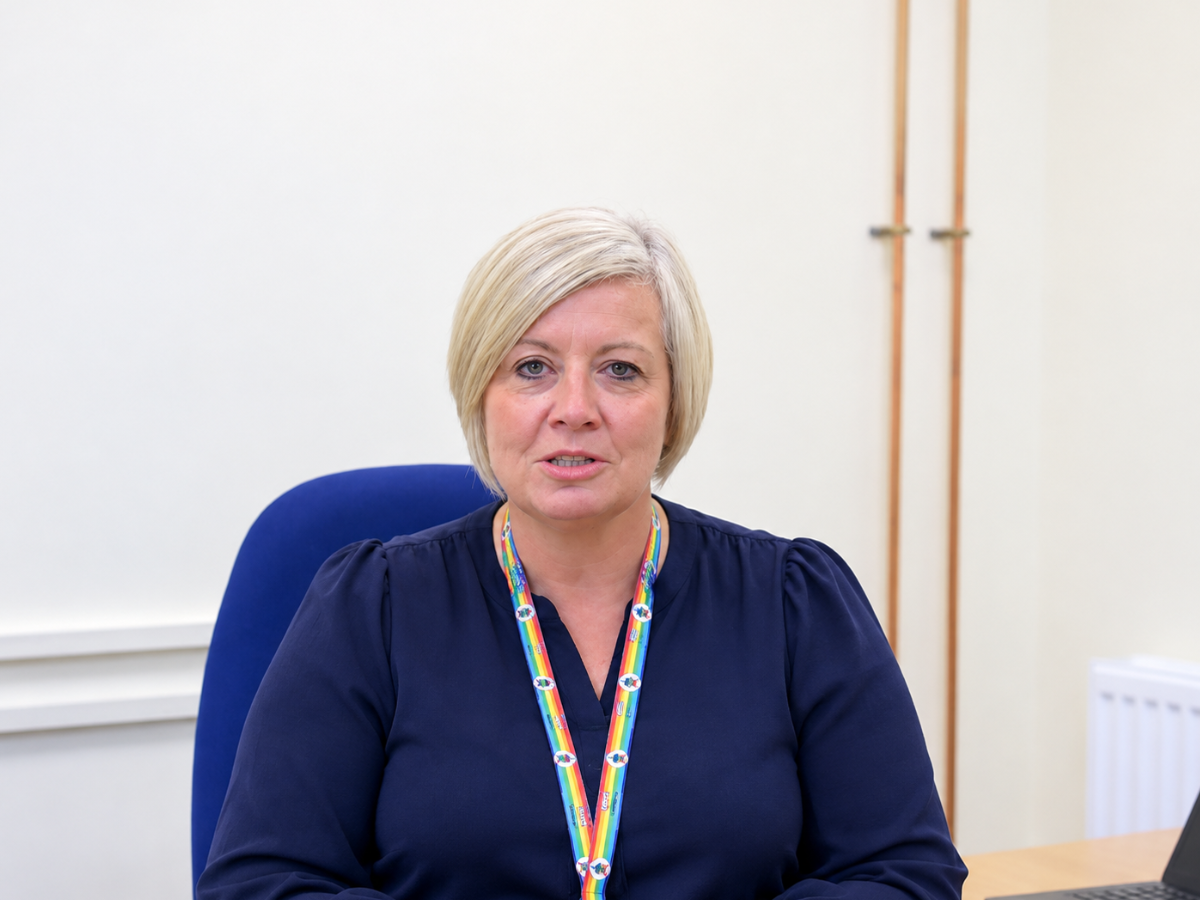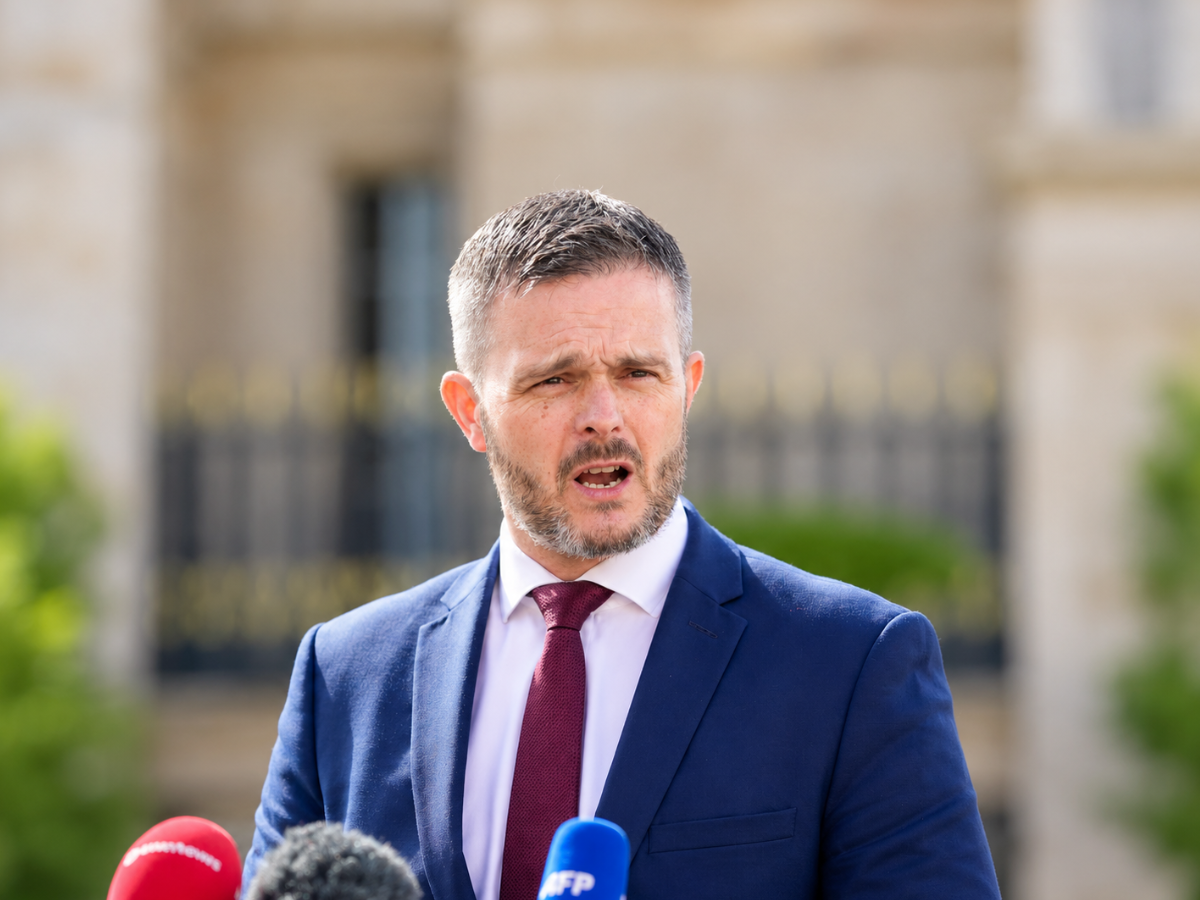
Robbie Butler, Minister of Health for Northern Ireland
Health Minister Robbie Butler has announced a £1.95 million investment in endometriosis services in Northern Ireland. The money comes from the Executive's £80 million Programme for Government elective care allocation for 2026/27. It is intended to shorten long waiting lists and speed up diagnosis for women living with chronic pain, and it also funds changes to how treatment is delivered.
Mr Butler made the announcement during a visit to the Regional Endometriosis Centre at Belfast City Hospital. Of the total, £700,000 goes directly to the region's two specialist hubs, which sit within the Belfast and Western Health and Social Care Trusts. The remaining £1.25 million will be shared among all five trusts to reinforce front-line services and to introduce the new Regional Endometriosis Pathway. The Northern Trust is due to receive £250,000.
The funding follows recommendations in the Getting It Right First Time gynaecology report. Oversight of its implementation rests with the newly formed Regional Health and Social Care Gynaecology Services Forum.
During the visit the minister inspected the Da Vinci 5 robotic surgery system at Belfast City Hospital. Since the platform was introduced in May 2026, 130 patients have undergone complex, minimally invasive robotic procedures there. Professor Mark Taylor, Regional Clinical Director for Elective Care, said that multidisciplinary teams working alongside robotic assistance allow less invasive operations and shorter hospital stays for patients.
The announcement sits alongside earlier spending on gynaecology. The Department of Health has already committed £1.8 million to assessment and triage and £1.9 million to increase procedural nursing capacity. Together with the new money, that brings the commitments cited by the department to £5.65 million. Practical changes include GP Elective Care Services and direct-to-test pathways, which allow patients to reach diagnostic investigations without a prior hospital appointment. Diagnostic capacity is being expanded, and additional theatre sessions have been set aside for exploratory laparoscopies, the keyhole procedure used to confirm the condition.
The backlog figures show movement over the past year. Between September 2025 and September 2026, the number of people on outpatient gynaecology waiting lists across Northern Ireland fell from 54,770 to 47,318, a reduction of 7,452 or roughly 14%. The number of inpatient and day-case patients waiting longer than 12 months fell by 56%.
The Belfast Trust reports improvements at the longest end of its lists. The maximum wait for a first outpatient appointment now stands below two years and ten months. The longest wait for a day-case procedure has come down from seven years to three. Those periods remain long by any reasonable standard, and the Belfast figures show how far some patients had been left waiting before this year's reductions began.
Mr Butler acknowledged that services have fallen short of what women should have been able to expect over many years. He said that waiting for care leaves patients in prolonged uncertainty, often while managing daily pain, and that the purpose of the investment is to give women across Northern Ireland timely and equitable treatment wherever they live.
Whether the extra funding produces measurable change will depend on how quickly the regional pathway reaches all five trusts and how the new gynaecology forum tracks progress against the Getting It Right First Time recommendations. The robotic programme at Belfast City Hospital is less than six months old, and the 130 patients treated so far form a small base from which to judge its effect on regional waiting times. The September 2026 figures will serve as the reference point for the next round of reporting.