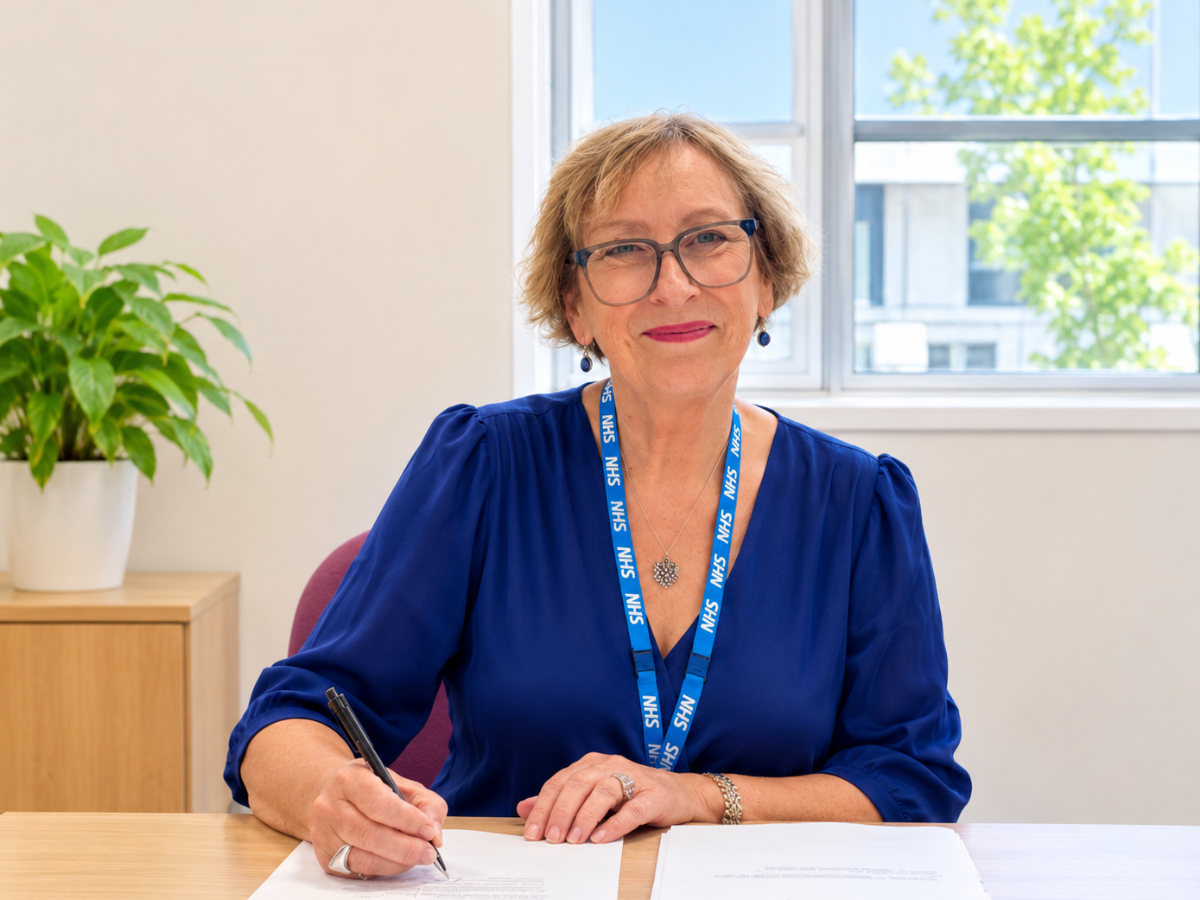
Professor Lesley Dwyer, Group Chief Executive of Norfolk and Waveney University Hospitals Group
Norfolk and Waveney's hospital services are heading towards a major reassessment after NHS leaders agreed to advance plans for a sweeping reorganisation, as an ageing population, workforce shortages and a projected £53 million deficit expose the strain on the region's healthcare system. On Wednesday, 4 November 2026, NHS Norfolk and Suffolk Integrated Care Board (ICB) agreed that there was sufficient evidence to take forward the Case for Change proposed by the Norfolk and Waveney University Hospitals Group (NWUHG).
The decision opens the door to a Pre-Consultation Business Case (PCBC), a detailed examination of how services could be configured across the group's three hospitals. Potential changes will now be assessed for their clinical and financial implications before any formal public consultation. The move, however, does not approve hospital closures, service reductions or relocations. No preferred arrangement has been selected, and the completed business case must return to the ICB Board for a further decision before consultation can begin.
The pressures behind the proposed overhaul are becoming increasingly difficult to ignore. Norfolk's population is projected to grow by roughly 11% between 2025 and 2045, while almost 30% of residents are expected to be aged 65 or older by the end of that period. An older population generally requires more treatment for long-term conditions and is more likely to need hospital admission. The resulting demand will place further pressure on emergency departments, medical wards and community healthcare, raising questions about whether the existing network can cope.
The hospitals are already facing considerable performance challenges. James Paget University Hospital (JPUH) and The Queen Elizabeth Hospital King's Lynn (QEH) sit in segment 4 of the NHS National Oversight Framework, indicating the need for intensive national support. Their regulatory position, however, differs from that of Norfolk and Norwich University Hospital. The latter and QEH are rated Requires Improvement overall by the Care Quality Commission (CQC), while JPUH holds an overall rating of Good, despite its safety assessment requiring improvement. The picture across the group is therefore uneven, with continuing concerns about quality and performance.
The condition of the buildings adds another layer of urgency. QEH and JPUH both contain reinforced autoclaved aerated concrete (RAAC), a lightweight construction material used extensively in public buildings between the 1950s and 1990s and associated with structural risks as it ages. Both sites require ongoing remediation, while more than £2.8 billion has been allocated through the New Hospital Programme to replace the facilities. The scale of that investment makes the service-planning debate particularly significant. Decisions about where and how care is delivered will influence the design and purpose of the replacement hospitals for decades.
Financial pressures are equally stark. The hospital group faces a potential recurrent structural deficit of £53 million by 2034/35 if action is not taken. Such a deficit represents a persistent gap between income and expenditure, rather than a temporary overspend that can be addressed through one-off savings. It leaves the group facing a long-term financial challenge, even as it tries to maintain services and meet rising demand. The proposed review will therefore examine whether the current distribution of resources, beds and clinical teams remains sustainable.
One of the models under consideration, known as "Neighbourhood Max", would shift more care away from hospital wards and into community settings. The aim is to treat patients closer to home wherever clinically appropriate, potentially reducing hospital attendance and the need for inpatient beds. The group's modelling suggests that this approach could reduce bed requirements by as many as 11 wards. That remains an estimate within a planning scenario, rather than an agreed programme of ward closures. Its implications will need to be tested against the availability of community services and the capacity to support patients outside hospital.
Emergency care presents a more complicated question. The clinical approach supported by the hospital group's Board retains 24-hour emergency departments and critical care at all three sites: Norfolk and Norwich University Hospital, QEH and JPUH. Further work will examine how medical emergencies, specialist treatment and transfers between hospitals can be organised safely. Initial modelling has considered the consequences of maintaining an unselected medical take at each site, under which all three would continue receiving medical emergencies of any kind. Around 20 seriously ill patients a day could require transfers between hospitals under the scenario, although the figure remains subject to further assessment.
Maternity and neonatal services are also under scrutiny. During 2024/25, QEH and JPUH were among 12 hospitals in England recording fewer than 2,000 births annually. Lower birth volumes can make it harder to maintain specialist skills and provide consistent senior clinical cover around the clock. The group is examining three possible arrangements: retaining birthing services at all three hospitals, consolidating provision at two sites or concentrating births at one. No preferred model has been chosen, leaving an important question hanging over families who rely on local maternity services.
The review is being led by Professor Lesley Dwyer, Group Chief Executive of Norfolk and Waveney University Hospitals Group. Her career spans more than 30 years in healthcare management across the NHS and Australia. Appointed to the group role in May 2025, she previously led Norfolk and Norwich University Hospitals, taking over as chief executive in early 2024. She also headed Central Adelaide Local Health Network, one of South Australia's largest public healthcare organisations, and led Medway NHS Foundation Trust between 2015 and 2018. During her time at Medway, the trust moved out of quality Special Measures and secured a Good rating for its well-led domain from the CQC.
Speaking after the hospital group's Board considered the Case for Change on 2 November, Dwyer said its ambition was to provide better care for people across Norfolk and Waveney, both now and in the future. She acknowledged that, despite the strengths of its hospitals, the group did not consistently deliver the quality of care patients needed. Growing demand, changing population needs and difficulties sustaining some services had made a closer examination necessary. She also stressed that the exercise did not amount to a decision to close or relocate individual services, describing it as an opportunity to strengthen local hospitals, expand appropriate community-based care and improve access to specialist expertise.
Dwyer has also emphasised the importance of understanding how changes could affect patients and families, particularly those using maternity and children's services. Patient safety, travel distances, accessibility and the experiences of women, babies and children must all inform the assessment. She has pointed out that the needs of someone living in rural west Norfolk or a coastal community may differ considerably from those of a patient in Norwich. That geographical divide will be an important consideration as planners weigh the benefits of concentrating specialist expertise against the practical difficulties of reaching care.
The group has identified 11 clinical services facing significant staffing, capacity or specialist pressures. They include paediatric services, oncology, urology, histopathology and spinal surgery. The description of these services as fragile does not mean they are unsafe or destined to close. It indicates that their long-term provision needs attention, potentially through closer collaboration between clinical teams, regional support, improved care pathways and targeted investment. Their future will form part of the wider assessment of how services can remain clinically sustainable.
The ICB's decision on 4 November followed the hospital group's own Board agreement on 2 November that there was a sufficient case for change. The next stage will examine clinical safety, workforce requirements, hospital and community capacity, travel, affordability and health inequalities. A forthcoming report from Healthwatch Norfolk will also feed into the PCBC, ensuring that patient and public experiences inform the options as they develop.
For Norfolk and Waveney, the debate now moves into a more detailed and potentially consequential phase. The proposed overhaul could reshape how residents access hospital and community care for years to come, but much remains undecided. The challenge facing NHS leaders is whether they can build a system that is financially sustainable and clinically safe while preserving access for communities that depend on their local hospitals. The answers will emerge through the business-case process, with any formal proposals still requiring further scrutiny and public consultation.