

NHS England grapples with an exceptionally severe flu season, which leaders previously warned could be an “unprecedented… worst-case scenario” this winter. However, the latest official data offers a glimmer of hope, suggesting the record surge in influenza hospital admissions may start to stabilise in certain regions, though overall pressure remains critically high.
Despite the slight easing in the rate of increase, the sheer volume of flu patients places an immense strain on the health service. By mid-December, NHS England reported 3,140 flu patients were in hospital each day: a record high for this point in the season. This figure was 18% higher than the previous week, though some areas like the North West saw an early 4% drop in flu admissions, signalling the potential for the rise to slow down. Earlier in December, the spike was even steeper, with flu admissions leaping by 55% in just one week, part of a surge officials dubbed a “tidal wave” that filled over 2,600 hospital beds daily. While the overall weekly hospitalisation rate remained stable in the most recent surveillance, it stays in the medium impact range, with admission rates particularly high among people aged 85 years and over.
Experts attribute the early signs of deceleration to several factors. A broad uptake of the flu jab, with more than 18 million people taking the vaccine (around 300,000 more than last year), likely contributes to the regional reductions. Public health messaging encouraging precautions for vulnerable groups also helps, experts believe. However, the geographical picture remains mixed, with rates continuing to climb in other areas, notably the East of England and the South West.
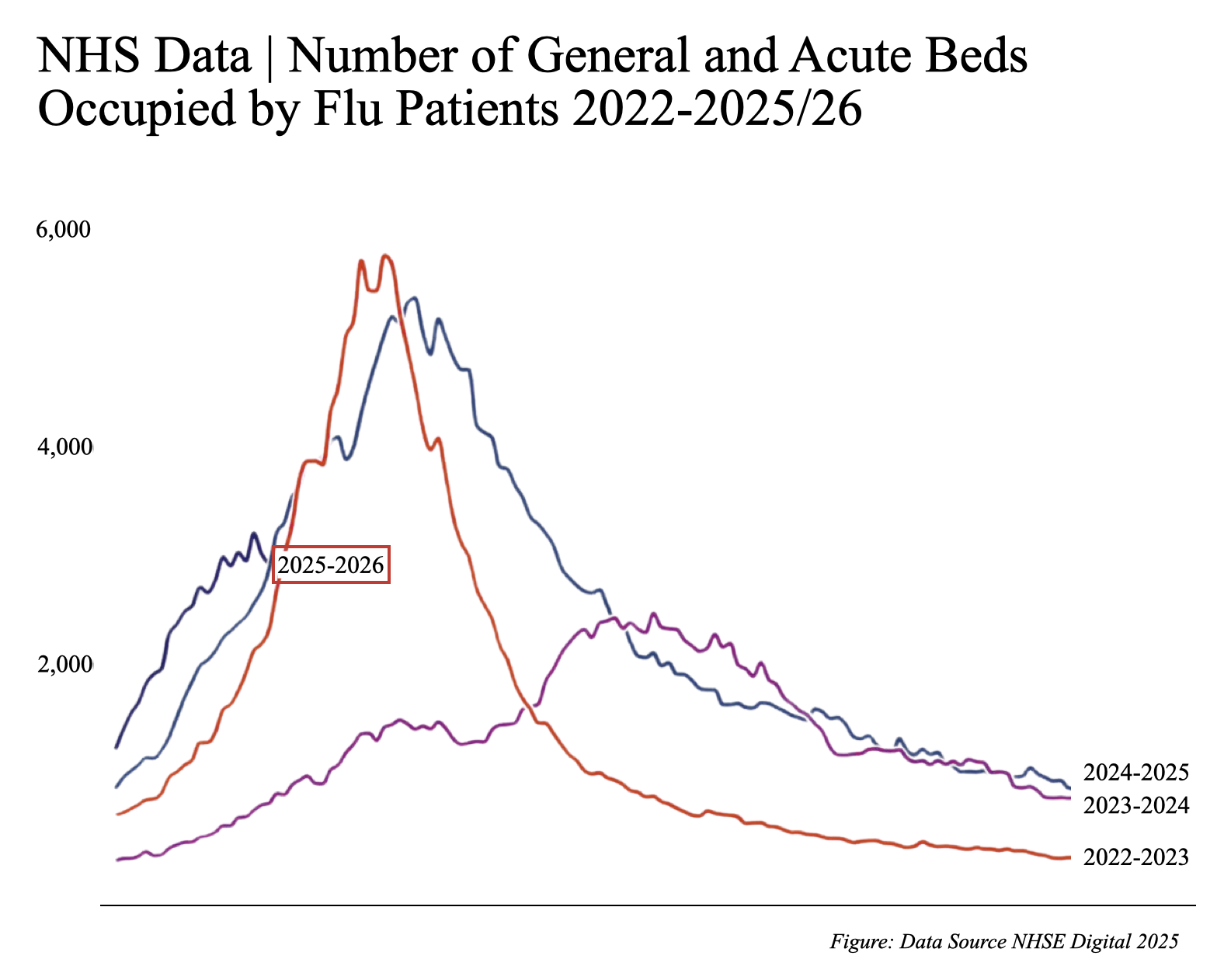
The pressure on the NHS extends beyond influenza, compounding the strain on capacity. Hospitalisations for norovirus-like symptoms are up around 20% week-on-week, alongside increases in other respiratory viruses. This multi-virus environment strains resources, with average daily bed occupancy at around 94%. Planned industrial action, such as the five-day strike by resident doctors in mid-December, further complicates the situation; it coincided with the flu season's peak intensity and could exacerbate operational strain.
Health leaders maintain a guarded stance. While the early signs of slowing are welcome, flu levels remain far above normal for this time of year. NHS England's national medical director stressed that people should not delay seeking care, and vulnerable groups must still get vaccinated. The system remains under significant pressure, and the continued high demand, workforce constraints, and presence of other winter viruses mean that any relief is fragile. Sustained high levels of admissions into January and February remain a major concern.



.jpg)
.jpg)
.jpg)