

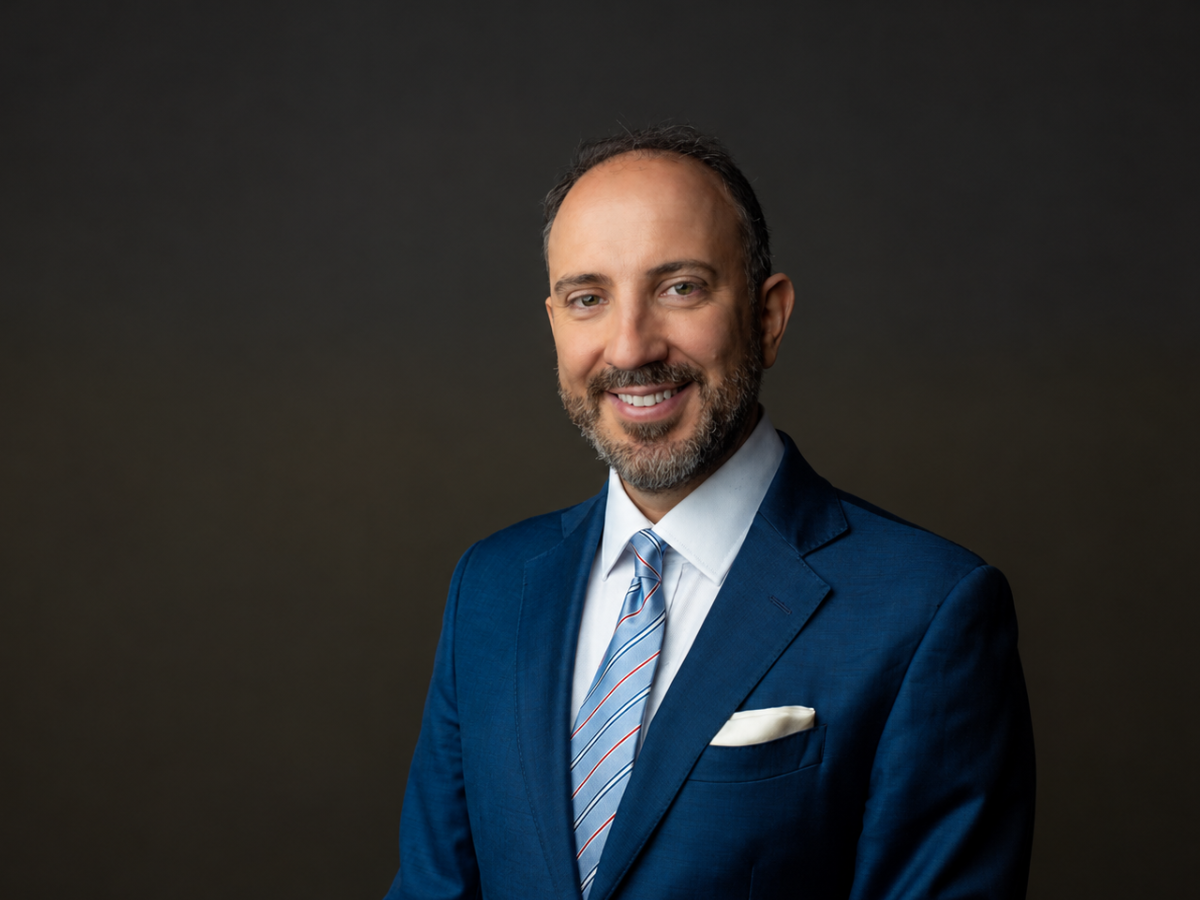
Nottinghamshire Healthcare NHS Foundation Trust has appointed a new chief executive, with experienced NHS leader Mark Axcell set to take over the role once an ongoing statutory inquiry into the organisation has concluded.
The trust, which provides mental health, community and forensic services across the East Midlands, has been under intense scrutiny in recent years due to concerns about patient safety and service quality. The statutory inquiry, focused on deaths and care failings within its mental health services which has placed leadership, governance and clinical practice under the spotlight. According to sector updates published in early 2026, Axcell will formally assume the role in June, succeeding outgoing chief executive Ifti Majid, who is retiring after leading the trust for several years.
Appointment of an ‘inspirational’ leader amid reform
The trust’s board described Axcell as an “inspirational leader” capable of guiding the organisation through a critical phase of recovery and transformation. Leadership at the trust is expected to play a central role in responding to the inquiry’s findings, which are likely to include recommendations on patient safety, governance and organisational culture. Axcell joins from Black Country Integrated Care Board, where he served as chief executive. His background includes system-level leadership across integrated care partnerships, with experience in coordinating services across multiple providers and managing complex transformation programmes.
Trust chair Tom Cahill emphasised the importance of appointing a leader with both strategic vision and operational experience, particularly given the scale of change expected following the inquiry. The decision to delay Axcell’s formal start until after the inquiry concludes reflects the sensitivity of the process and the need to ensure continuity during the investigation period.
Inquiry context and implications for governance
The statutory inquiry into Nottinghamshire Healthcare NHS Foundation Trust is one of the most significant investigations into mental health services in England in recent years. It is examining historical care provided to hundreds of patients, including cases involving serious incidents and deaths. Such inquiries typically result in wide-ranging recommendations covering clinical practice, data transparency, leadership accountability and regulatory oversight. For the trust, this is likely to require substantial organisational reform.
From a governance perspective, the appointment of a new chief executive signals a reset in leadership, aligning with broader NHS practice where organisations under investigation often undergo executive change as part of recovery planning. The timing also highlights the growing importance of leadership stability in addressing regulatory challenges. Trusts facing scrutiny must demonstrate clear accountability structures, robust data reporting and effective engagement with regulators such as the Care Quality Commission.
Digital transformation and patient safety priorities
The leadership transition comes at a time when digital infrastructure is increasingly central to improving mental health services. Failures identified in past investigations across the NHS have often been linked to poor data sharing, fragmented records and limited use of digital tools to monitor patient risk. For Nottinghamshire Healthcare, strengthening digital capability is expected to be a key priority under new leadership. This includes enhancing electronic patient records, improving interoperability between services and deploying data analytics to identify risks earlier.
Technology also plays a growing role in incident reporting and learning systems, enabling organisations to track patterns of harm and implement preventative measures. Advanced digital tools can support real-time monitoring of patient safety indicators, particularly in high-risk mental health settings. Axcell’s experience at integrated care system level may be particularly relevant here, as ICS leaders are increasingly responsible for coordinating digital strategy across regions. This includes aligning provider systems, standardising data and supporting population health management approaches.
Wider significance for NHS leadership and reform
The appointment reflects a broader trend across the NHS, where leadership changes are being used to support organisational recovery and transformation. Mental health trusts, in particular, are under increasing pressure to improve quality, reduce variation and adopt more data-driven approaches to care.
Integrated care systems are also playing a larger role in oversight and coordination, meaning that leaders with cross-system experience are in high demand. For the health technology sector, the developments at Nottinghamshire Healthcare highlight the growing intersection between leadership, regulation and digital transformation. Effective use of technology is now seen as essential to delivering safe, high-quality care, particularly in complex areas such as mental health.
A critical moment for trust and transformation
As Nottinghamshire Healthcare prepares for the conclusion of its statutory inquiry, the appointment of Mark Axcell marks a pivotal moment in its organisational journey. The incoming chief executive will be tasked with implementing potentially far-reaching reforms, rebuilding trust with patients and staff, and ensuring that lessons from the inquiry are embedded into everyday practice.
At the same time, the trust will need to strengthen its digital and data capabilities to support safer, more responsive care. The combination of leadership change and technological investment is likely to define the next phase of its development. For NHS leaders more broadly, the situation underscores the importance of aligning governance, culture and digital infrastructure in delivering sustainable improvements in patient safety and service quality.



.png)
.jpg)