
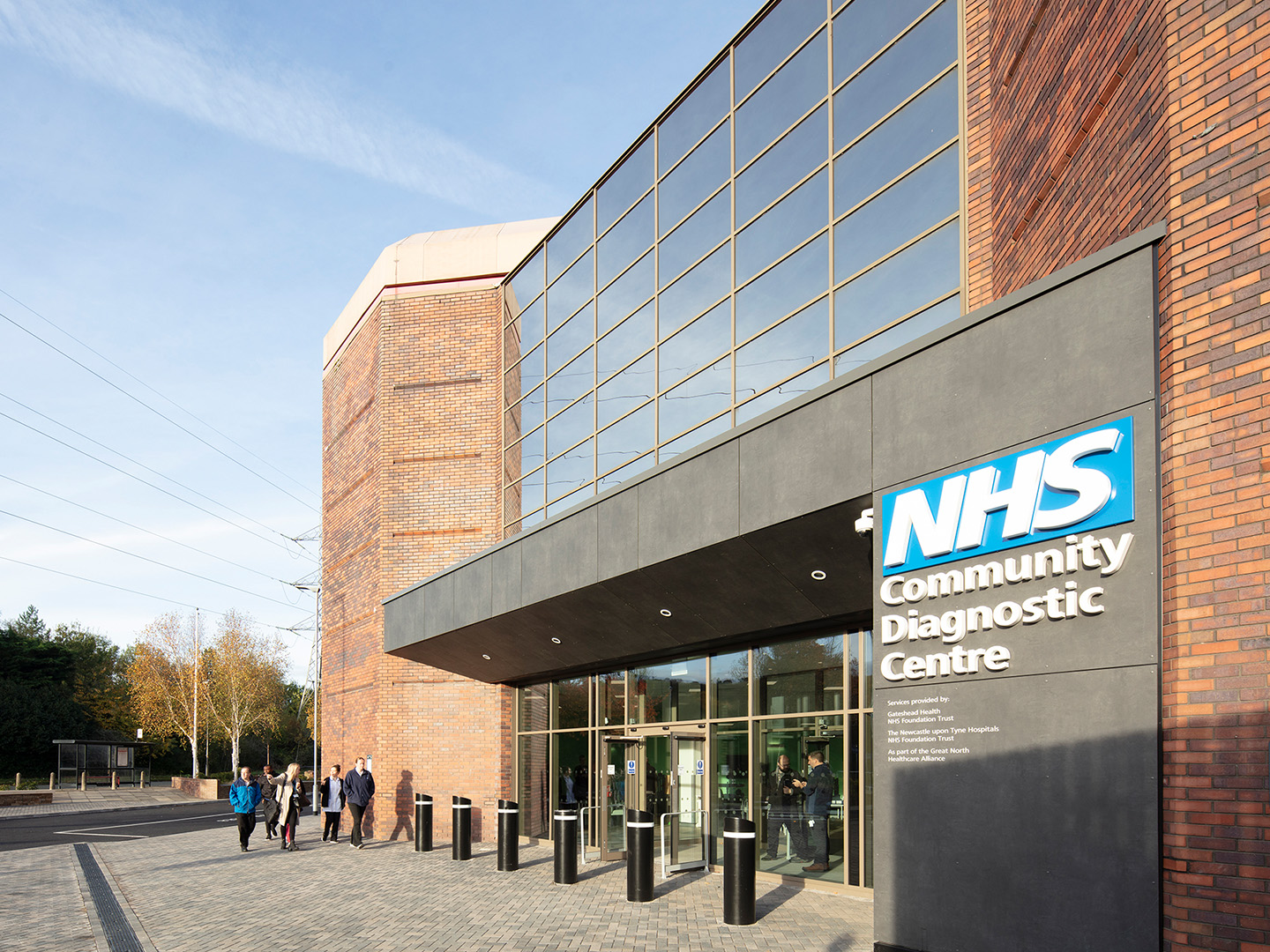
Ministers have outlined new plans to increase the reach of Community Diagnostic Centres (CDCs), positioning these hubs to provide MRI, CT, endoscopy, pathology and other essential tests within local communities. The move is part of a wider elective-reform push to speed diagnosis, reduce hospital bottlenecks and offer patients more convenient, out-of-hours appointments.
Community Diagnostics Gain Momentum but Face Key Tests on Workforce and Scalability
The scale of the CDC programme is already significant. NHS England has approved around 170 CDC sites, with the majority operating in permanent buildings and many delivering millions of checks and scans since the programme began. Recent ministerial announcements highlight plans to expand evening and weekend appointments and introduce a limited number of additional CDCs, supported by targeted capital from the wider elective reform budget. The Community Diagnostic Centre programme draws on a share of the £2.3 billion capital package for diagnostic transformation, representing the most significant financial commitment to MRI and CT capacity in the history of the NHS.
The emphasis on community diagnostics reflects the clinical and operational value of giving patients quicker access to imaging and tests. Speeding up diagnostics improves treatment options, strengthens patient outcomes and enhances system efficiency by reducing delays that otherwise create pressure across the entire care pathway. This, in turn, strengthens the likelihood of earlier treatment and supports services in meeting standards. Community Diagnostic Centres also ease pressure on acute hospitals by moving routine diagnostic activity out of already strained trust settings.
Early pilots give reason for cautious optimism. Sites using one-stop diagnostic pathways, federated dashboards and rapid triage have reported shorter times from referral to diagnosis and better patient experience. However, most pilots operated with additional staff and protected funding, which raises doubts about whether the same performance can be replicated at scale without drawing resources away from other services. Sector analysts emphasise that CDCs form only one element of a wider strategy rather than a standalone solution.
Workforce Gaps and System Readiness Will Determine Whether CDCs Deliver Sustainable Diagnostic Gains
Practical constraints matter. Diagnostics depend on a workforce of radiographers, sonographers, endoscopists and pathology specialists, yet vacancy rates in these roles remain high and place significant strain on service capacity. For patients the advantages are clear, with fewer hospital trips, more appointments beyond standard working hours and, in many cases, quicker results. For policymakers the task is more complex, as they must align capital investment with workforce planning, strengthen data interoperability and judge pilot success against meaningful outcomes such as the 28-day diagnosis rate, 62-day RTT performance and diagnostic waits exceeding six weeks.
CDCs offer a pragmatic and widely supported tool for reducing waiting lists, yet lasting national progress will depend on more than new facilities and equipment. If these elements align, CDCs can move diagnostic pressure away from acute hospitals and into reliable community settings, delivering quicker answers for patients and giving services a stronger chance of meeting key waiting-time targets.



.jpg)
.jpg)
.jpg)