
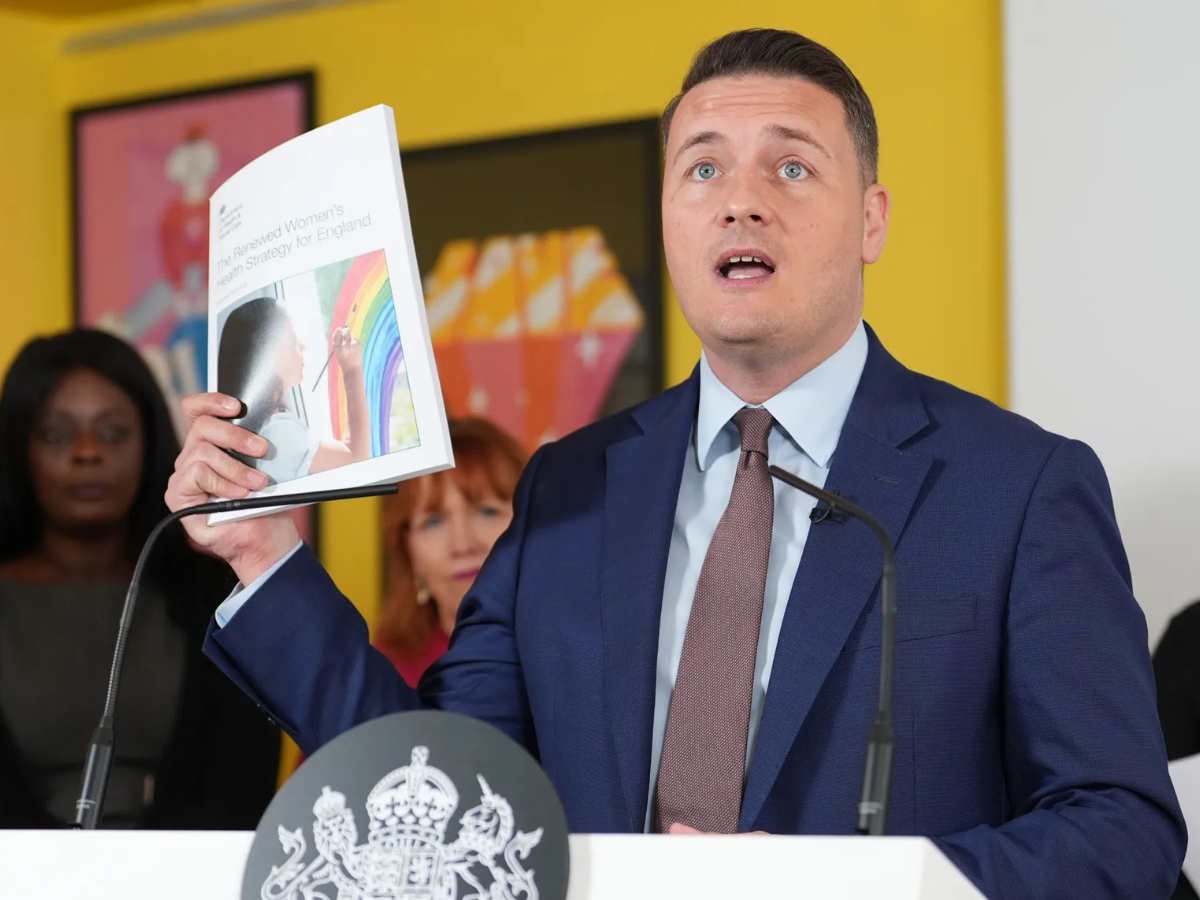
New analysis of health department budget allocations has found that funding for men's health initiatives increased at a rate 60% higher than equivalent programmes for women in the most recent spending round. The figures show that while both areas received additional resource, the proportional uplift for services covering prostate cancer, male suicide prevention and non-symptomatic screening outpaced increases allocated to maternity care, menopause services and gynaecological pathways.
The disparity has drawn immediate criticism from health advocacy groups and opposition MPs, arriving shortly after Health Secretary Wes Streeting made a public commitment to ensure women were no longer treated as "second-class citizens" within the NHS. The gap between that stated priority and the budget allocation has become the focal point of the political response.
The Department of Health has not issued a formal explanation of the differential, but its likely defence rests on clinical and demographic grounds. Men have a lower average life expectancy than women, and male-specific cancers have historically benefited from less proactive screening infrastructure. The argument that this funding represents a correction for years of neglect in areas such as mental health crisis intervention for men and early cancer detection carries some clinical weight. Suicide rates among men remain substantially higher than among women, and investment in prevention programmes targeting that group has been identified as a public health priority by NHS England.
That context does not resolve the criticism. The increase in men's health funding was not accompanied by a proportionate commitment in areas where women's services face well-documented pressure. Maternity care remains in a period of sustained scrutiny following a series of reviews into failings at multiple trusts. Waiting lists for gynaecological procedures are long and have not shortened at a pace consistent with the government's stated ambitions. Neither area received a funding increase that matches the scale of the problem or the rhetoric that has surrounded it.
The most cited example is endometriosis, a condition affecting an estimated 1.5 million women in the UK, where the average time from symptom onset to confirmed diagnosis remains close to a decade. Funding for diagnostic capacity in that pathway has not increased at a rate that would meaningfully accelerate that timeline. The same pattern applies to NHS provision for menopause care, where specialist clinics remain unevenly distributed and waiting times vary substantially between regions.
The political difficulty for the government is that the funding data appears to contradict a specific and recent pledge. Streeting's commitment on women's health was framed as a structural priority, not an aspiration. Budget decisions made within months of that commitment that direct proportionally more resource toward men's health create an inconsistency that is straightforward to identify and difficult to explain away with reference to clinical need alone.
Health watchdogs have called for greater transparency in how NHS England distributes core budget to Integrated Care Boards. At present, the gender breakdown of spending is not reported in a standardised format, which means the full picture of how much reaches women's health services in practice, as opposed to what is announced centrally, is difficult to verify independently. Demands for gender-disaggregated spending data across ICBs have been made previously and have not yet been acted upon.
Whether the government moves to address the disparity in any mid-year adjustment will depend in part on the political pressure generated by this analysis. The case for rebalancing is not simply one of equity in the abstract. Women make up a majority of NHS patients, account for a disproportionate share of unpaid caring responsibilities and face a range of conditions where early intervention reduces long-term cost to the health service. The funding trajectory, if sustained, will need to be justified with evidence that the return on the investment in men's health is sufficiently greater to warrant the differential. That case has not yet been made publicly.



.png)
.png)
.jpg)