On a Thursday afternoon in a London teaching hospital, a cardiologist and a radiologist sit at a screen reviewing imaging for a patient they will never meet. The patient is in a ward in Cairo, under the care of Egyptian doctors who have asked for a second opinion on a complex case. Under the affiliation announced this month between Guy's and St Thomas' NHS Foundation Trust and Alameda Healthcare Group, that scene is meant to become routine. The opinion given will carry the authority of a trust whose name will also hang over four hospitals in the Egyptian capital.
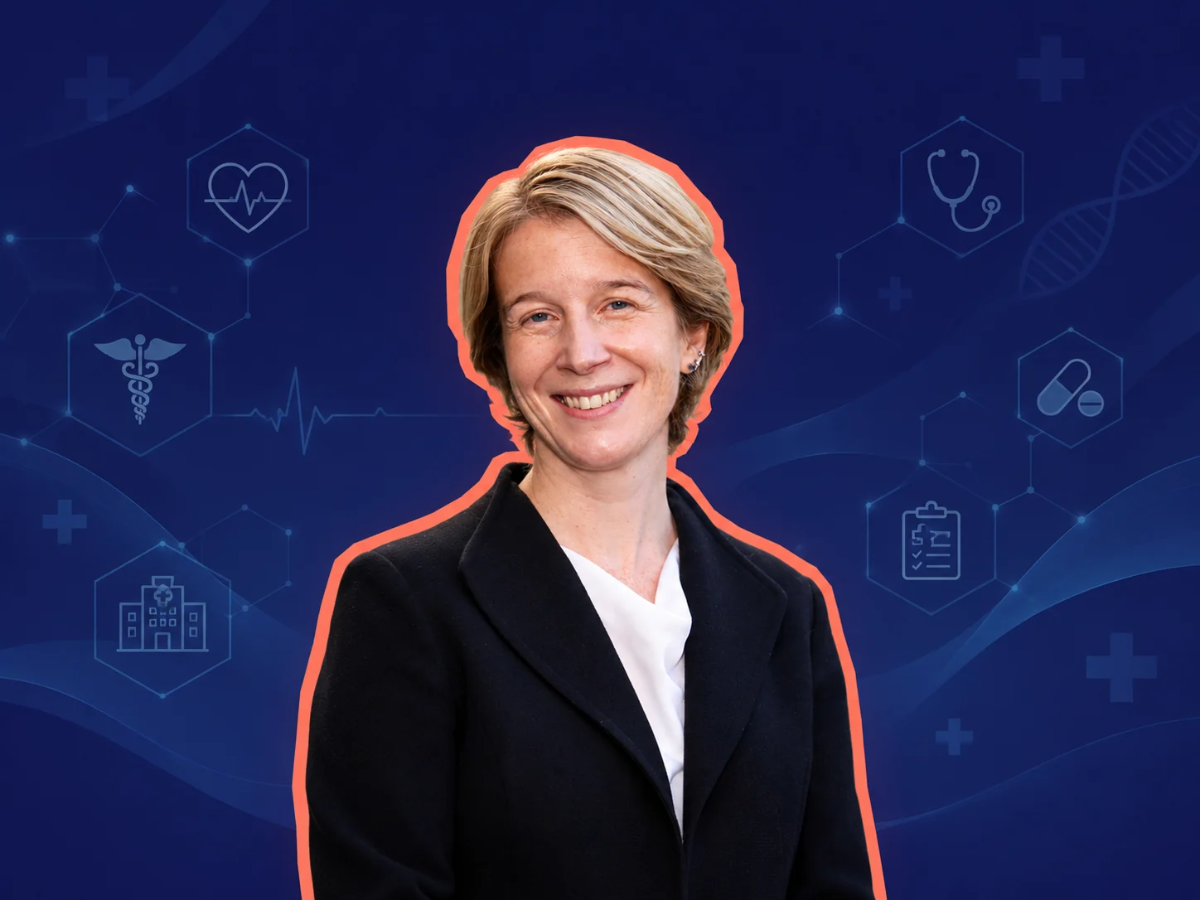
According to the announcement, the ten-year agreement was signed on 17 November, following a memorandum of understanding drawn up in July. Two As-Salam International hospitals and two Dar Al Fouad hospitals will operate under the Guy's and St Thomas' Specialist Care name. The partnership covers clinical governance, multidisciplinary care models, second opinions on complex cases and training pathways for Egyptian clinicians in the UK. The trust's chief executive, Dame Amanda Pritchard, is quoted as saying the trust wants to share its expertise and learn from the growth of Egypt's health sector. The financial terms have not been made public.
None of this is unusual in the market. The trust signed an agreement in 2023 with Elevate, an Egyptian healthcare investor, covering a university hospital in Giza, with clinicians from Royal Brompton and Harefield involved. Alameda, Egypt's largest private hospital operator with more than 1,000 beds, announced a partnership with an American hospital system in January and took a $190 million minority investment from a private equity firm this year. Egyptian operators with capital to deploy are collecting Western clinical brands, and British trusts with international reputations are willing sellers. The trust can reasonably say it is entering an established market on sound terms.
The relevance to the NHS lies in what the deal reveals about the pressures on large trusts. Waiting lists remain measured in millions, and the government has promised greater autonomy to the best-performing trusts, which implies that they will need to find more of their own resources. Under those conditions, revenue earned abroad has obvious appeal. It uses an asset the trust already owns, which is its reputation, and demands little capital. Boards will notice, and others with international standing will follow. That prospect makes the governance of such deals a matter of system-level interest, yet at present they are largely private commercial arrangements.
Consider where responsibility sits. The Care Quality Commission inspects services in England. A hospital in Cairo answers to Egyptian regulators and to the international accreditation body that has certified Alameda's facilities. If a serious failure occurred in one of those hospitals, the reputational damage would arrive in London, because patients and the press do not distinguish between an NHS hospital and one carrying an NHS trust's name and logo. A well-drafted licence will contain audit rights and termination clauses. The public has no sight of them, although the asset being licensed was built over generations with public money and public trust. A trust board owes its own public an account of how it will know what happens in a hospital more than two thousand miles from its own wards.
There is also the matter of senior clinical time. Consultant capacity is among the scarcest resources in the system, and second opinions and training supervision draw on the same people who staff clinics and theatres in London. The trust may well argue that international income funds care for NHS patients, and it may be right. The argument would carry more weight if trusts published the net contribution of overseas work after the cost of the staff time it absorbs. Foundation trust accounts already report income by source, which makes more detailed disclosure a small step.
The training pathways are the most defensible element. Egypt does not appear on the World Health Organization's 2023 health workforce safeguards list, which names 55 countries where active international recruitment is discouraged, although the organisation has recommended that safeguards be extended to all low and middle income countries. Structured placements that bring Egyptian doctors to the UK for defined periods and return them home with new skills sit more comfortably with that guidance than open recruitment would. Their value depends on design. Placements with no real route home, or with salaries that make staying the rational choice, would turn a training scheme into a recruitment channel by another name, and the Department of Health and Social Care should expect trusts to address that openly.
Industry has reason to watch as well. Affiliations of this kind create channels into a growing private market for health technology and diagnostics. Second opinions that involve imaging and records moving between Cairo and London also raise data protection obligations for the trust as the party handling that information, and the commercial value of the data generated is a question NHS organisations have been slow to answer even at home.
The partnership may prove clinically sound. The trust has a long record in complex specialist care, and its Royal Brompton and Harefield sites add depth in heart and lung medicine. The case for scrutiny holds even if every clinical judgement proves sound. The NHS name is a public possession, and a public possession lent to a private operator abroad should travel with governance as visible as the logo. Ministers and the national NHS leadership can settle the matter cheaply by asking every trust that licenses its name overseas to publish what the arrangement earns and who answers when something goes wrong.