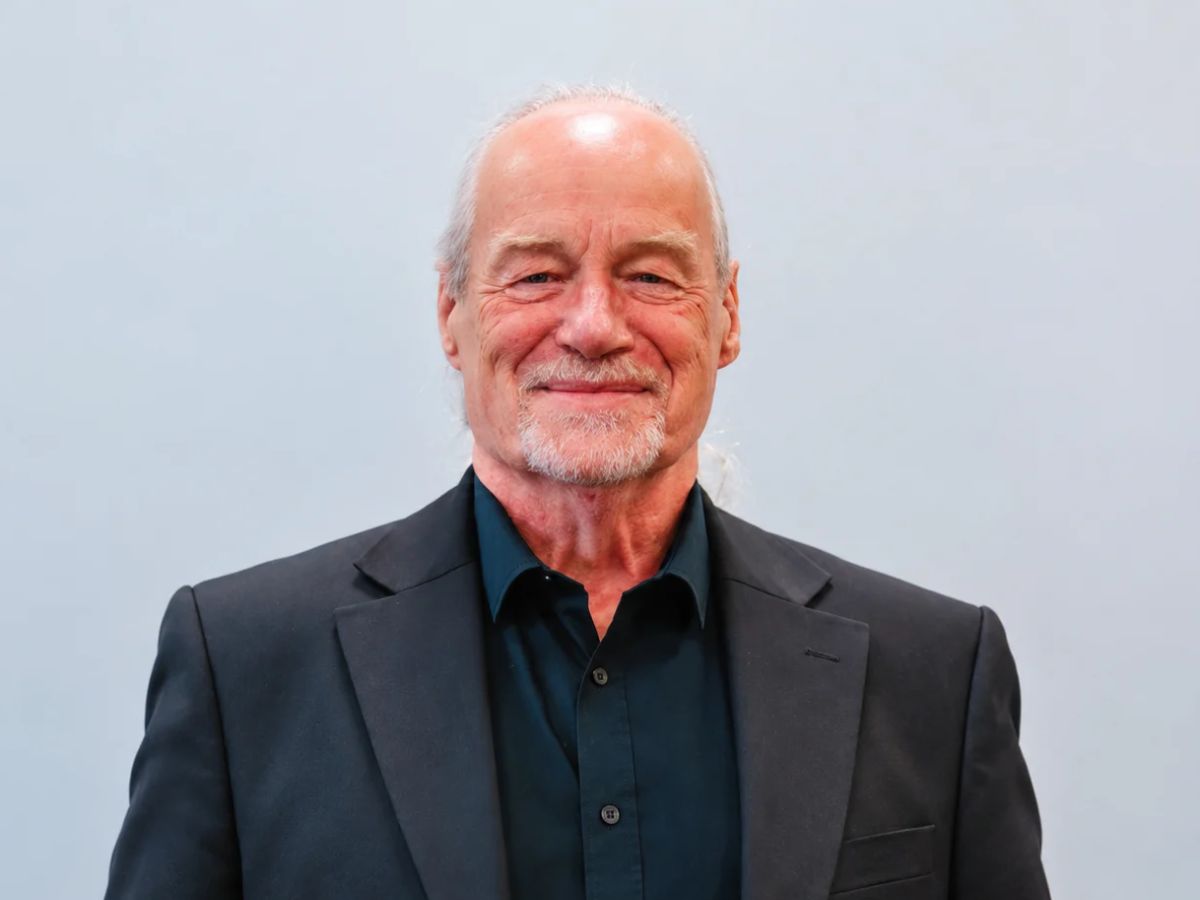
Every NHS trust that has faced a public scandal knows what follows once the attention fades. The cameras move on, and improvement plans are drawn up. Greater Manchester Mental Health NHS Foundation Trust has experienced this period of scrutiny and silence since a 2022 television investigation exposed staff humiliating and abusing patients at the Edenfield Centre in Prestwich. Now its chair, Professor Tony Warne, will step down at the end of this year, only months after a new chief executive took up post. The announcement is courteous and unremarkable on its face. Its timing deserves a closer look.
The sequence is familiar. The previous chair resigned within weeks of the broadcast, and the trust entered the highest tier of national intervention. An independent review into the failings reported in January 2024, the month Professor Warne arrived. A year later the Care Quality Commission again rated the trust's forensic and secure services inadequate, while recognising improvement and noting that some staff still felt unable to speak up. Edenfield has since reopened to admissions. That is a credible trajectory by the standards of NHS recovery. It is also an unfinished one.
The reason this matters beyond Greater Manchester lies in what the original failure revealed. A governance review commissioned after the scandal examined why the trust's assurance systems never alerted the board to what was happening on its own wards. The chair is the person responsible for making sure that bad news reaches the board and that executives are held to account when it does. Rebuilding that function takes years, and the years immediately after a scandal are when it is most fragile. Boards are tempted to read reopened wards and softer inspection language as evidence that the work is done.
Roughly three years is an ordinary chair tenure, and nobody should suggest that Professor Warne has left early or for anything other than his own reasons. The concern is the combination. A trust that has recently changed its chief executive and will soon change its chair will have two new people at the top of its accountability structure within a single year, each building relationships with a regulator, an integrated care board and a workforce that has learned to be wary of reassurance. Culture change in secure mental health services depends on staff believing that raising a concern leads to action. That belief is built slowly and can be damaged quickly by a perception of drift.
The wider environment adds weight. Mental health trusts are managing high demand, persistent workforce gaps and the cost of out-of-area placements, with less margin than their general hospital counterparts for error. National and regional oversight is also being reorganised, with NHS England due to be absorbed into the Department of Health and Social Care and integrated care boards required to cut their running costs sharply. The recovery support programme that followed the 2022 scandal relied on intensive external attention. It is reasonable to ask how much of that attention will remain available to the next trust that needs it.
The practical implications are specific. The integrated care board and regional NHS leadership should treat the chair appointment as a priority governance decision, with a transparent process and a candidate who understands the oversight of secure services. The trust should plan a handover long enough for institutional memory to transfer, including what the board learned about its own blind spots. Other providers with recovery histories should take note, since the same question will reach them. Patients and families, many of whom have waited a long time for fuller accountability, are entitled to see that the improvements do not depend on individuals.
The test for Greater Manchester Mental Health is whether a board with a new chair and a new chief executive in the same year keeps the habit of asking uncomfortable questions. That habit was missing in 2022. It is the one thing a recovery programme cannot supply from outside.